Last updated: April 2026
At Last Minute Musicians, we love hearing from you by reading your comments across social media and in the UK Musicians for gigs of Dep Musicians in the UK Facebook communities. Recently, we’ve seen some interest in concert photography and the use of images, so in this blog we’ll take a closer look at the topic of photography and copyright for musicians.
When we read this comment about an image on social media, it got us thinking:
…It caught my attention as it’s a band local to where I live who I believe now tour nationally (probably internationally) and it got me thinking about how someone can technically take a picture of them playing and then presumably own that image and then allow it to be used by anyone for whatever purpose they want?
Obviously their image has been very carefully and deliberately cultivated and is eye catching, hence why it was used.
Got me thinking about what the legalities (if any) there are in regards to this for performers?
… This seemed like an excellent question, so we attempted to take a look into image rights, and answer a few questions from a musicians’ perspective.
What is copyright?
In essence, copyright is your legal right to anything you create. It’s designed to stop anyone using pictures they don’t own or have the right to use. Editorial Photographers of United Kingdom & Ireland define copyright (with regards to photography) like this:
Copyright law restricts the legal right to copy photographs to those who have permission. Permission can only be granted by the copyright holder or their agent.
‘Copy’ in this context includes making prints, publishing or distributing photographs in any medium, or making copies of files and distributing them electronically. It includes plagiarism, the taking of a photograph based on another. If the copy resembles the original image closely enough to be recognisable as a copy of the original, copyright has been infringed.
Thanks to international agreements, copyright law is broadly similar in most countries of the world.
EPUK (Editorial Photographers United Kingdom)

I always see photographers at gigs… Who owns the images they take?
According to EPUK, when a picture is taken, it is either the author of the photograph (namely, the photographer) who will automatically own the copyright to the picture or the company that was employing them, depending on their agreement.
Chances are, if you’re attending a relatively large gig and watching a well-known band, the photographers you see will probably be members of the press, with their pictures being owned either by them or their publications.
I’ve had a photo shoot with my band, so who owns my promotional images?
You might assume that if you’ve paid for a photo shoot with someone, you would own the resulting images. This isn’t necessarily the case! The copyright law surrounding the creation of a picture still applies here and unless you have agreed something in writing with the photographer, they will retain the copyright of the images.
It’s generally implied that you’ll be able to use those images for whatever you need. However, it’s always best to get something in writing with the photographer about image rights when organising a shoot. Much like a written performance contract for a gig, a simple agreement protects both sides. If the photographer doesn’t have their own, basic contracts can be found on sites like Shootproof. These can then be customised to the shoot.
I’ve spent time and money cultivating the image of my band or act, is that protected under law?
It may be surprising to learn that, according to UK government guidance, this may not be as simple as you’d think. They state:
In the UK, however, no specific right to your own image has been created either in any statute or expressly incase law. There are, however, case law examples where other intellectual property rights have been established to aid in the protection of an image.
Gov.uk – Copyright notice: digital images, photographs and the internet
It would seem that, although no specific right exists, some legal precedent does exist around solving specific problems you could encounter. If you’re investing in your visual brand, it’s worth pairing strong promo shots with a promotional video for your band to build a complete press kit.
This UK government guidance states that these include:
Trade marks – having a registered trademark, such as a name or signature, used without permission
Privacy and confidential information – an infringement on your right to privacy
Defamation – associating your image with a product that lead to damage to your reputation
Data protection – infringement of your data protection rights
Advertising – someone portraying or implying you approve of something in an ad, or portraying you in an adverse or offensive way without permission
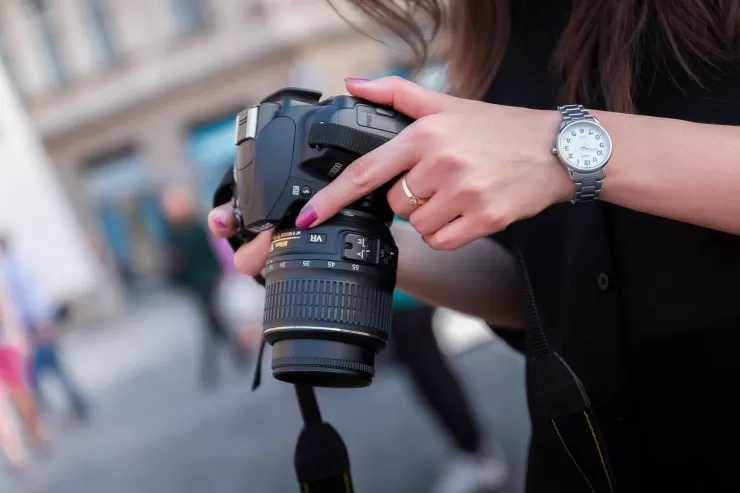
What is the “three song rule” in concert photography?
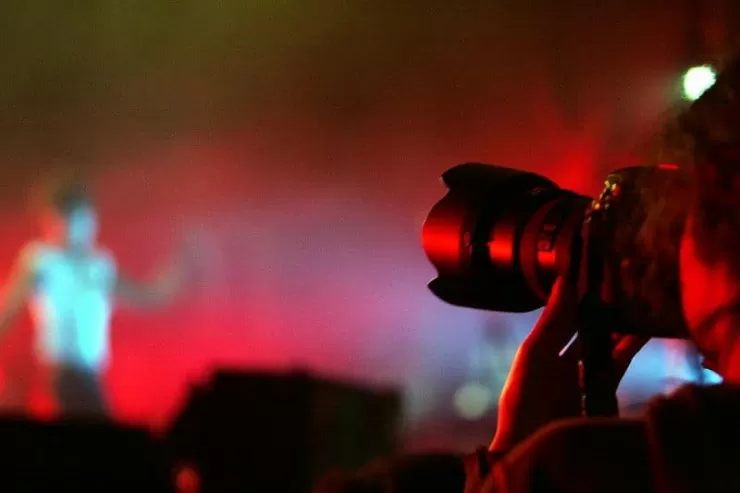
If you play larger venues, you’ll notice press photographers are often only allowed in the pit for the first three songs of a set, with no flash. This industry convention, known as the “three song rule,” is usually enforced by the artist’s management or the venue. Accredited photographers may also be asked to sign a photo release or rights agreement before shooting, which can limit how and where their images are later used. If you’re an emerging act and you want more control over how you’re photographed at gigs, it’s worth building similar terms into your own rider or booking paperwork, especially for ticketed shows and showcase events popular with wedding bands, singers and vocalists, and touring acts.
What do I do if someone has used an image of me without my permission?
The first thing to do is establish whether the person using the photograph has permission or not, and to do that you have to identify who owns the copyright. If someone has used a picture of you without your permission, they could have secured the rights from the photographer, for instance. If you are the owner of the copyright, EPUK states this:
The first thing to do is to get evidence of the infringement. If your work has been used without permission, get a copy of the publication. If the infringement is on the web, print out the pages that display your image along with enough information to positively identify the site and date. The next thing to do is to identify the infringer. You are then in a position to contact them and take the matter further. How you do all this and what outcome you may be able to achieve will likely depend on the extent and context of their infringement. Many factors may apply. Are they passing your work off as their own, or is it credited to you? Is the metadata intact or has it been altered? Is their usage personal or commercial? Whereabouts are they located?
Broadly your choices are:
– You can insist that they remove the image immediately.
– You can offer to supply a retrospective licence on payment of a fee, to legitimise the infringing use. Plus a further fee for agreed future use, if appropriate.
– You can commence legal proceedings against them for infringement of your copyright.
– You can forget it and give up.
How to get an image of you removed from a website
If you’ve found an unauthorised photo of you or your band being used online, there’s a fairly standard process to follow. First, identify the copyright holder (usually the photographer) and confirm that the image is being used without permission. Next, contact the site owner directly through their contact form or published email address, politely stating that the image is being used without a licence and asking for it to be removed. If they don’t respond, you can usually escalate to the hosting provider with a formal takedown request, or to the platform itself (Instagram, Facebook and TikTok all have image infringement reporting tools). For persistent or commercial infringement, it may be worth contacting an intellectual property solicitor. Keeping a dated screenshot of the infringement as evidence is always a sensible first step.
Quick FAQ: photo copyright for musicians
Can I repost a fan’s photo of my gig on social media?
Technically, the person who took the photo owns the copyright, so the safest approach is to ask for permission and credit them when you repost. Most fans will be delighted to be asked, and it builds goodwill with your audience. Promoting your band through authentic user-generated content is often more effective than polished marketing, but you still need the photographer’s go-ahead.
Do I own my promotional shots if I paid the photographer?
Not automatically. Under UK law the photographer retains copyright unless you’ve agreed otherwise in writing. You’ll usually have an implied licence to use the images for the purposes they were commissioned for, but a short written agreement covering usage rights, exclusivity and future licensing avoids any confusion later.
What should I do if a venue or promoter is using my photo without permission?
Start with a polite email referencing the specific image and asking either for it to be removed or for a retrospective licence fee. Most venues will remove or relicense quickly once they realise there’s an issue. If the image is being used to endorse a product or service, you may also have a “passing off” claim in addition to the copyright issue.
Do you have any advice about the use of images? Have you had an image used by somebody else? Comment below…