
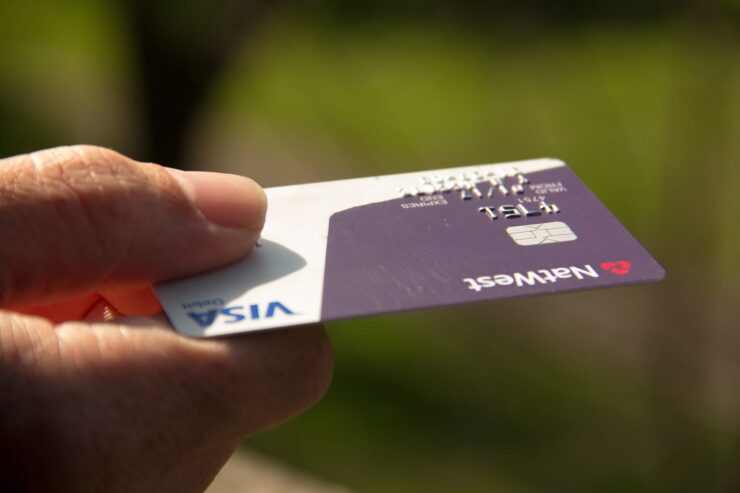
We’ve all been there. Sometimes, the act of chasing work and looking for gigs can be so time-consuming that you can end up not giving enough attention to how your client will settle the bill. This guide covers all the popular options for taking payment as a band or musician, updated for 2026.
There are a number of ways a band can take payment from a client, but several pros and cons are involved with each. Some will also require a degree of preparation.
As a rule, always know how the client plans to settle their bill (especially if they aren’t paying in advance) before playing the show.
The most popular way for most customers to pay will usually be either cash or a direct bank transfer. Their choice will usually depend on the amount due and the type of event (and who is footing the bill!).
How to structure your band as a business
Before taking payments as a band, you must decide how to structure your group as a business. There are several different approaches that musicians can take to this.
Many large acts choose to form a limited company and accept payments through a business bank account, distributing funds to personal accounts from this central point. Potentially either signing up as individually self-employed or registering as the company’s employees.
Expenses (like fuel) can also be paid out from this central business account (often utilising the deposits for cash flow), making it transparent how much money the band is making to all involved and the accounting process more straightforward.
Some smaller bands choose to form a partnership and take a similar approach to distributing funds. This can be particularly useful if your group is a floating lineup, only made up of a small number of ‘permanent’ members with a rotation of deps or regular players filling in.
If you’re a solo musician, you may want to register as self-employed and conduct your business accordingly.
Once you are set up, you can look into various payment methods…
Can you set up a bank account for a band?
Yes — and it’s a good idea to do so. Keeping band money separate from personal finances makes accounting far simpler, especially when it comes to splitting fees, paying expenses, and completing your tax return. If you’re looking for a dedicated band bank account, options like Tide, Monzo Business, or a standard business account with one of the high street banks all work well. Many bands find that digital/app-based business accounts are quick to set up and easy to manage on the go.
Is it illegal to use a personal bank account for business in the UK? Technically no, but many banks’ terms of service prohibit it — and it makes bookkeeping significantly more complicated. A dedicated business account is strongly recommended once you’re gigging regularly.
Bank Transfer
If you’re playing larger gigs for more prominent clients (like corporate shows or weddings), then they may well want to pay by direct bank transfer.
This involves the client electronically sending the money straight from one account to another. The most apparent advantage of bank transfer is that you don’t have to be with the client for them to pay you.
This means you can take deposits for gigs that aren’t local or receive full payment in advance.
Deposits
If you’ve secured a big booking on a popular day, you’re well within your rights to ask for a deposit to secure the date and stipulate this in your contract. This is a small amount of the overall fee paid in advance, usually taken off the rest of the outstanding balance.
You’ll have to decide whether this will be a refundable deposit and until what point – this means setting your cancellation terms.
If you’re with an agency, they will already have their own cancellation policy. For example, the Last Minute Musicians agency uses the following terms:
This contract can be cancelled by the Client, but the following cancellation fees will be payable: 6 months or more before the Event: 50% of the total cost. Between 6 months and 3 months before the Event: 75% of the total cost. Less than 3 months before the Event: 100% of the total cost. Cancellation fees are due no later than the event date. The performer may have the choice to waive these fees if further work can be found to replace the original booking. This decision will be made by the performer.
The Musicians’ Union standard contracts do not contain a sliding scale policy for cancellation but leave the hirer liable for the full fee, with the alternative to mitigate your loss by sourcing alternative work.
You can read more about their payment terms on the MU website, as well as on our blog about contracts for musicians.

Invoicing
If you’re playing a show where a company is footing the bill, you may be required to send an invoice.
Put simply, an invoice is a request for payment and, once sent, must be paid within 30 days.
The Gov.uk website states that there are several ingredients that make up an invoice- they are as follows:
- a unique identification number
- your company name, address and contact information
- the company name and address of the customer you’re invoicing
- a clear description of what you’re charging for
- the date the goods or service were provided (supply date)
- the date of the invoice
- the amount(s) being charged
- VAT amount if applicable
- the total amount owed
Cash
Cash is still a popular option, especially for public shows in bars or clubs. However, it’s important to remember that you will still have to declare cash earnings on your tax return!
For more information on becoming self-employed as a musician, read the LMM blog on Tax for Musicians.
Remember that cash is still the riskiest option for everyone involved, and any particularly demanding customers will find it much easier to cause trouble with cash payment.
For example, they could “forget” to bring the cash on the day or give you fake notes (knowingly or not!).
PayPal
Similar to bank transfer, PayPal allows clients to pay you online. However, PayPal’s customers like the added protection of paying through a third party. Note that PayPal does charge fees for receiving business payments (typically around 2.9% + a fixed fee), so factor this into your pricing if you plan to use it regularly.
Cheque
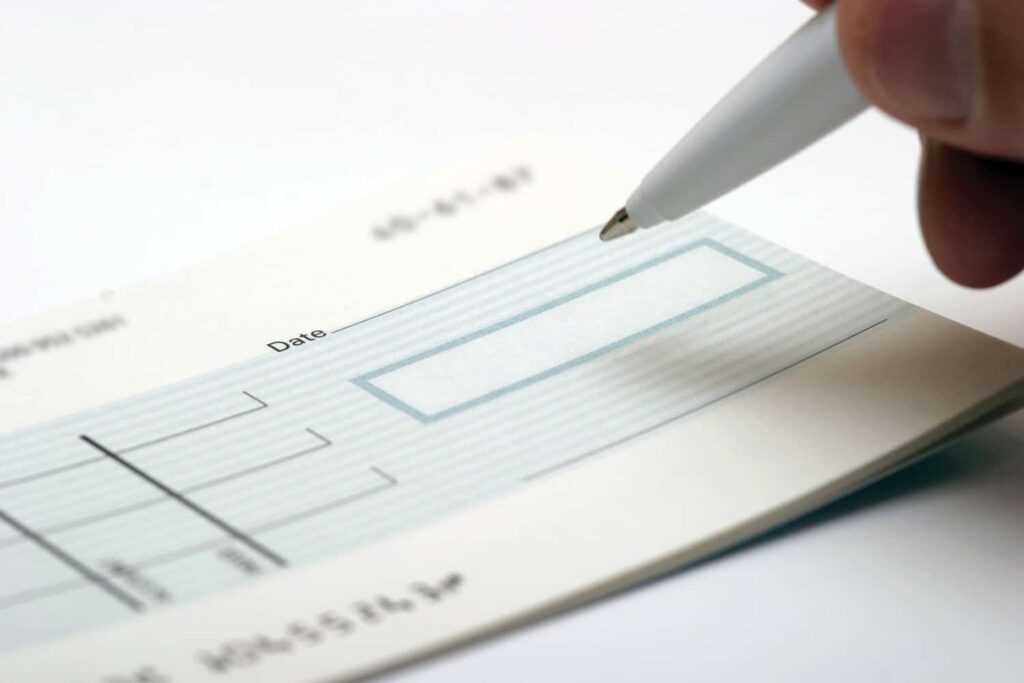
While seen by some to be a somewhat archaic system of payment, it is not unheard of to be paid via cheque on or before the event (this seems particularly popular for charity shows or gigs for institutions with strict payment terms, like schools).
Card Services
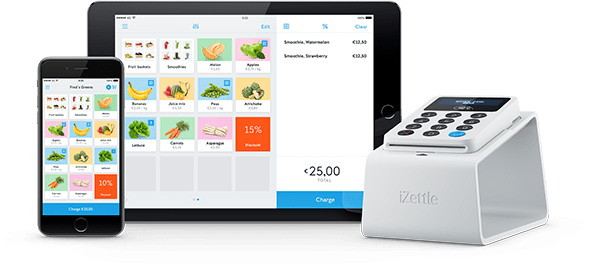
Mobile card readers have become increasingly popular for musicians and bands, allowing you to take card payment on the spot — before or after the show. While these services charge a fee or percentage (typically around 1.69% to 2.5% depending on the provider), they offer a fast, professional payment experience.
Companies such as Zettle by PayPal (formerly iZettle), SumUp or Square will provide you with a card reader and a way to provide printed or emailed receipts. There are also services that allow you to charge cards via phone apps. SumUp currently charges 1.69% per transaction for in-person payments, with no monthly fees.
Last Minute Musicians member, Peter Snipp, says the following:
I use stripe. You can send them an invoice and they can pay via a card online. You could add on 5% if you can get away with it. There is a great iPhone app that can read a card via the phone’s camera or you can tap the number in too. No card reader required.
Taking card payment would offer the added flexibility of your client being able to pay for options on the night, like extra sets or a late-night DJ service.
However, if you are faced with signal or wifi problems then you may have trouble taking card payment.
Last Minute Musicians member, Martin Little, says the following:
I frequently play background music for weddings, and have had the odd occasion where I’ve been asked to stay and do a later part of the day that hadn’t been contracted for … everyone has a card in their pocket, so easy to get paid there and then. Saves on admin later, and you know you’ll get paid for the extra time, so worth it.
Incidences of non-payment
Any customer that refuses or causes trouble around payment must be treated very seriously. While the experience can be rattling and each one must be assessed individually on the situation, it’s important to remember the law is on your side.
If you have agreed upon a price and a service, then carried out that service to a satisfactory standard, you deserve to be paid.
If you are a member of the Musicians’ Union, they will help provide legal assistance should you ever need it.
Frequently asked questions
How do bands get paid?
Bands typically get paid by bank transfer (BACS), cash, card payment, or PayPal/online invoice. For larger, professional gigs — such as weddings, corporate events, or venue residencies — bank transfer is by far the most common method, usually requiring an invoice with your sort code and account number. Cash remains popular for pub and club gigs. Many bands now also use mobile card readers (such as Zettle or SumUp) for flexibility.
If you’re looking to find more paid gigs, joining Last Minute Musicians as an artist puts you in front of thousands of clients booking bands and musicians for weddings, parties, and corporate events across the UK.
How should a band manage its finances?
Setting up a dedicated business bank account for your band is the best starting point. Track all income (gig fees, deposits) and expenses (travel, equipment hire, rehearsal space) separately from personal accounts. Keep records of all invoices and contracts. If your band earns above the trading allowance (currently £1,000/year), you’ll need to declare income to HMRC — either as a sole trader, partnership, or limited company.
How does your band take payment? Do you have any advice on what methods work best? Leave your thoughts in the comments below…
Share this: