

Last updated: March 2026
Performing overseas can be a tricky subject – it’s not quite as simple as grabbing your guitar case and jumping on a plane! Here are some essential tips on what you need to know about obtaining a visa as a musician.
For many musicians, dealing with visa paperwork is one of the least glamorous aspects of the live music industry. However, making sure you have all the right legal documents to work abroad is so important that it can make or break a career. Getting your paperwork wrong can hugely impact on any future travel plans, and can needlessly set you back a lot of money. If you have any plans to go abroad for music purposes, you should definitely read the following.
It’s easy to think that performing overseas is an experience that only famous people get to have.
Ed Sheeran sells out arenas in cities you can’t even pronounce and Beyonce seems to be in a different country every day, but that doesn’t mean that taking your own music to foreign lands is something you can only dream of. There are so many opportunities all around the world for musicians to perform abroad.
Why might a musician perform abroad?
- Touring – headlining or supporting
- International showcases – e.g. SXSW
- Collaborations with international artists
- Meeting with international agents, publishers, or labels
- Residencies at overseas venues or resorts
- Destination weddings and private events
If you’re based in the UK, there are funding opportunities that can help cover the costs of performing internationally, including:
PRS International Showcase Fund
What is a visa?
A visa is an authorization in your passport showing that you are allowed to enter, leave, or stay in a country for a specified period of time.
There are lots of different types of visas for lots of different countries, and before agreeing to travel anywhere you need to make sure that you are 100% clear on what you need, what the process is, and that you can afford financially to pay for the costs of acquiring that visa.
Visas can come with hefty admin/processing fees, and as it’s such a complicated, confusing but completely crucial process, you might consider enlisting the help of a professional visa consultant to ensure it’s done correctly.
Common Visa Types for Musicians
The type of visa you need depends on where you’re going and what you’ll be doing. Here are some of the most common options:
United States
The US is one of the strictest countries when it comes to musician visas. The two main options are the O-1B visa (for individual artists of extraordinary ability) and the P-1B visa (for bands or music groups). Both require evidence of your achievements and typically need a US-based sponsor or agent. Processing times can be lengthy, so start early.
United Kingdom
For non-UK musicians looking to perform in the UK, the Permitted Paid Engagement (PPE) route allows short-term paid performances. This has been integrated into the Standard Visitor route. For longer engagements, a Temporary Worker (Creative and Sporting) visa may be required.
Europe (Schengen Area)
Each European country has its own rules. Some countries like the Netherlands offer work permit exemptions for performing artists for short stays (up to six weeks). Others like Italy require a full work permit regardless of duration. Always check the specific requirements for each country on your tour.
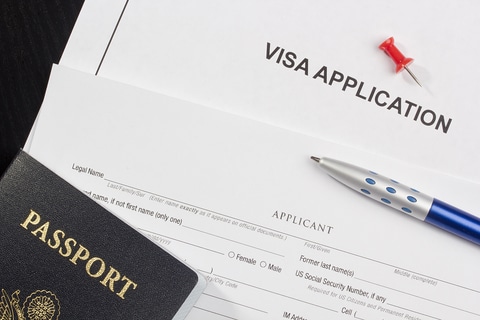
Can I get away with not having the right visa?
Don’t even consider it.
You might know somebody who has, but the consequences are simply not worth it and no professional would advise risking it. A mark against your name will make it a lot harder for you should you wish to go back to that country, and you risk not being allowed to enter the country at all.
It’s easier than you think for foreign officials to find out whether you’re there with the right documentation, and they won’t hesitate to turn you around and send you home when you’ve only just stepped off the plane.
This has been a notable issue around events like SXSW, where artists have had their visas revoked while they were on the plane to America.

How do I get a visa?
Depending on what country you’re going to, what for and for how long, the process differs in every case. Government websites are a good starting point for researching visa requirements, and there are professional visa consultants who specialise in the entertainment industry who can help make sure you’re applying for the right visa in the right way.
The charity Help Musicians also offers a free visa advice service specifically for musicians touring internationally.
If you’re looking to take your instrument abroad, you may want to read our guide on taking instruments abroad for some advice. You might also want to check our musicians’ gig bag checklist to make sure you’ve got everything covered before you travel.
Top Tips from Visa Professionals
Here are some top tips from experienced visa professionals that every musician should keep in mind before travelling abroad:
Allow enough time. Do not leave the visa application process until the last minute! Make sure to begin the process in advance: a lot of countries require a work permit/approval to be issued prior to you applying for the visa itself.
If you travel frequently, get a second passport for everyone in your touring party. That way, while you’re processing one visa, you can still travel on the other passport.
The rules for visa applications change every now and again. It’s not easy to follow because the relevant authorities don’t necessarily have PR departments and they don’t always tell you everything. It’s definitely important to do your research, make sure you go to official government websites, and if you have any uncertainty, you should speak to a professional visa consultant.
It can be crucial that you have blank pages remaining in your passport, as a lot of countries require 2 opposite pages on which to stamp the visa.
Keep an eye on your passport expiry dates. Some countries require 6 months of validity on a passport before they issue a visa.
Misrepresentation – lying – is a very clear cut offence. If you ‘misrepresent’ anything on any visa application, then you’re inadmissible. It’s really simple. And it happens a lot. When people are questioned at the border, they’re much more likely to be looked kindly upon if they answer truthfully and appear to be open. When attending a visa interview at an embassy, be as open and honest as you possibly can be, and appear to be so too.
Do you have any advice on obtaining a visa as a musician? Leave it in the comments below…