
Value Added Tax (or VAT) is often discussed in the business news in relation to a whole host of products and services, but how does it apply to bands and solo musicians? Should you be registered and adding it on to your bill?
In this Last Minute Musicians blog, we’ll try and answer all of your questions about VAT and how it applies to your situation. If you’re wanting to learn more, you might also want to check out our other blog Tax for musicians – how does it work?
Last updated: March 2026. This article has been reviewed and updated to reflect current HMRC VAT rules, the Making Tax Digital (MTD) requirements, and post-Brexit changes for musicians selling digital services to the EU.
What is VAT?
VAT stands for Value Added Tax. Registered companies will pay VAT to HMRC and charge it on a whole range of goods and services, with the current standard rate of VAT being 20%.
Once registered, you may also claim back the VAT on legitimate business related purchases. For musicians, this may include instruments and other such purchases.
When should I register?
You are free to voluntarily register for VAT at any time, but you legally have to register when your annual taxable turnover moves over £90,000 (the VAT threshold for 2025/26). It is really important to remember that this is not simply your profit on sales, but your overall income from sales. You can appoint an accountant to deal with your affairs on your behalf and it is highly advisable to consult with an accountant when considering registering for VAT.
If your band is currently set up as one of the following (obviously some being more relevant than others) it can register to pay and claim back VAT:
- Sole proprietors
- Corporate bodies (eg Limited Companies)
- Unincorporated bodies (eg clubs and societies)
- Partnerships, including Limited Liability Partnerships, limited partnerships, Scottish partnerships and Scottish limited partnerships
- Trusts
- Local Authorities
If your income is highly flexible and may only temporarily go above the VAT threshold, it is possible to apply for a registration ‘exception’ with HMRC rather than a permanent registration. You must notify HMRC of the potential threshold breach and apply for this exception. HMRC will consider your case and write to confirm if you get one.
How do I register?
HMRC is the government department responsible for collecting and registering companies for VAT. You can register by heading over to their website and creating an online VAT Account.
Once you have done this, you’ll receive a VAT certificate and number, with a date for “effective date of registration” (either the date you went over the threshold or voluntarily registered) and you will then be able to submit VAT returns to HMRC.
Your VAT responsibilities
The Gov.uk website lists 4 key responsibilities associated with Value Added Tax:-
- Charge the right amount of VAT
- Pay any VAT due to HMRC
- Submit VAT Returns (Statements of how much VAT you’ve charged and how much you’ve paid, usually filed every 3 months.)
- Keep VAT records and a VAT account
Making Tax Digital (MTD) for VAT
Since April 2022, all VAT-registered businesses — including musicians and bands — are required to follow Making Tax Digital (MTD) rules. This means you must keep digital VAT records and submit your VAT returns using HMRC-compatible software (such as QuickBooks, Xero, or FreeAgent). You can no longer submit VAT returns manually through the HMRC portal.
If you are voluntarily VAT-registered or newly register, you will need to sign up for MTD for VAT at the same time. Make sure your accounting software is MTD-compatible before you register. You can find a list of compatible software on the GOV.UK website.
What should I be charging VAT on?
As a musician, there are 4 likely areas where you might need be charging VAT. These are live performance, recording work, digital downloads and the sale of goods (like CD’s).
The Musicians’ Union website has this to say about VAT with regard to some of these specific areas:
Services — live performances:
With effect from 1 January 2011, fees for live performances will be treated as supplied where the customer belongs, when that customer is a business, rather than treated as supplied where the performance takes place. More detailed guidance is available in the article, Change In Place Of Supply Rules For VAT, which can be downloaded from HW Fisher and Company

Services — recorded performances:
Where a musician’s performance is recorded and a fee and/or royalties are received for the supply of this service, the supply is deemed to take place where it is received or, in other words, where the customer belongs.Accordingly, if fees or royalties are received from outside of the UK, these will not attract UK VAT. However, there is an additional rule for fees or royalties received from elsewhere in the EU (European Union). In order for UK VAT not to apply on EU royalties, the person paying the fee or royalty must be in business themselves and the proof of that status is their VAT number in their EU country of belonging.
Accordingly, for fees or royalties received from inside the EU, an EU VAT number should be obtained by the musician.
Goods:
Goods, for example CDs, exported outside of the UK are zero-rated for VAT purposes (since Brexit, all exports outside the UK are now treated this way), provided that valid export evidence is retained.For goods sold to persons in other EU countries, the following rules apply:
1. Goods sold to private individuals in other EU countries are subject to the destination country’s VAT rules (not UK VAT)
2. Goods sold to businesses in other EU countries are not subject to UK VAT, provided the business has a VAT number in its EU country and that the number is obtained by the musician for inclusion on the sales invoice.Digital downloads are treated differently to other products, as their sale may technically take place anywhere in the world. The determination of VAT on the provision of digital services will depend on the “place of supply” and whether you are selling to a business or a consumer.
Since the UK has now fully left the EU, the rules for VAT on cross-border digital sales have changed. According to GOV.UK:
- If you sell digital services (such as music downloads or streaming) to consumers in the EU, you no longer use the UK VAT MOSS (Mini One Stop Shop) scheme.
- Instead, you must either register for VAT in each EU country where you sell to consumers or use the non-Union VAT OSS (One Stop Shop) scheme in an EU member state.
- The VAT rules in each EU country may differ, so it’s important to check local thresholds and requirements.
If you’re a MU member, you can seek help on this (and many other areas of VAT law) from their preferred financial partners, H W Fisher.
Why might a band want to register for VAT?
The main argument for bands registering for VAT is that it adds a very overt level of legitimacy to the client and one of the big problems bands suffer from is perception – something we also explored in our blog on musicians’ wages and the great debate around fair pay.
A minority of prospective clients may not consider hiring musicians to be the same as other working professionals. Seeing that a band is charging VAT reassures a potential customer that their operation is legitimate and professional.
Once registered, there is also the ability to claim back VAT on legitimate business related purchases, fuel, travel, hotel bills and other business expenses that can really add up when on the road with a professional band.
If you’re looking to find more paid gigs as a musician or band, registering on Last Minute Musicians connects you with clients looking to hire live entertainment for weddings, corporate events, and parties across the UK.
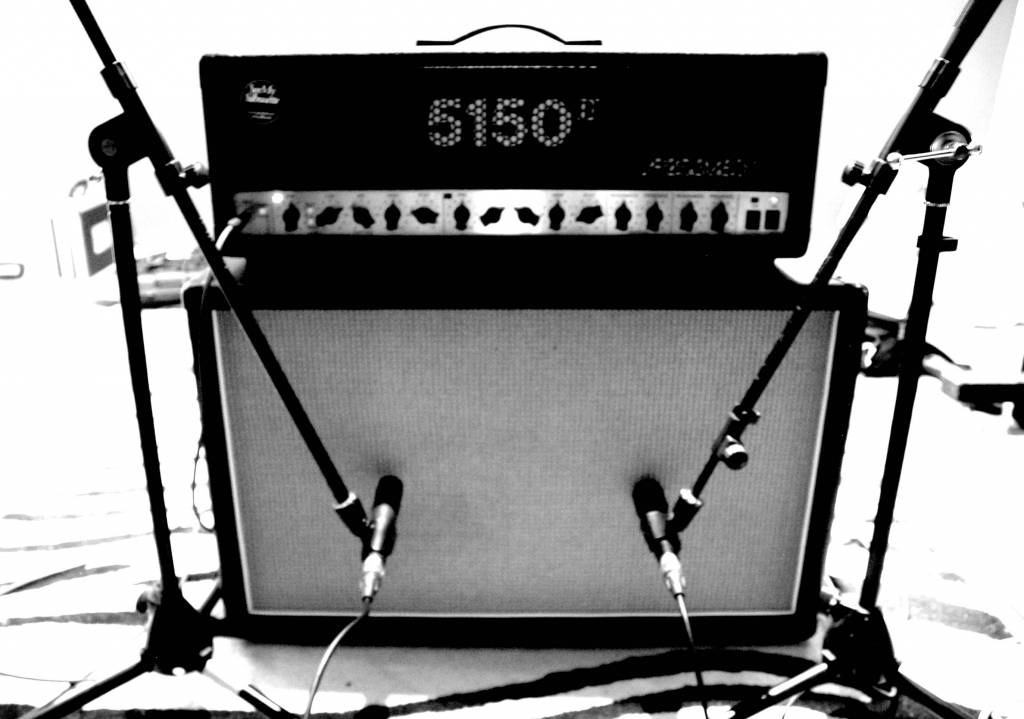
You can claim back VAT on your musical purchases!
VAT on music teaching and tuition
If you offer private music tuition, it is important to know that this is generally exempt from VAT. Under HMRC rules, the supply of private tuition in a subject ordinarily taught in schools or universities is VAT-exempt. This means that even if you are VAT-registered, you do not charge VAT on private music lessons.
However, this exemption applies to tuition delivered by an individual teacher. If music lessons are provided through a company or organisation, VAT may apply at the standard rate. This distinction can be significant for musicians who both perform and teach, as your teaching income will not count towards your VAT-taxable turnover, but your performance fees will.
Choosing the right VAT scheme
When you register for VAT, you will need to choose a VAT accounting scheme. The three main options for musicians are:
- Standard VAT accounting – you charge VAT on your invoices, reclaim VAT on your business purchases, and pay the difference to HMRC each quarter. This is usually the best option if you have significant equipment or travel expenses.
- Flat Rate Scheme – you pay a fixed percentage of your gross turnover to HMRC (typically 6.5% for entertainment and performing arts in the first year with the 1% discount). This is simpler to manage but you cannot reclaim VAT on most purchases. Eligible if your taxable turnover is under £150,000. More detail is available on the GOV.uk website.
- Cash Accounting Scheme – you only pay VAT to HMRC when your customers actually pay you, rather than when you invoice them. This can help with cash flow if you have clients who are slow to pay.
It is worth discussing these options with your accountant to determine which scheme suits your circumstances best.
Claiming VAT on pre-registration expenses
If you have been buying instruments, PA equipment, or other business items before registering for VAT, you may be able to reclaim some of that VAT on your first VAT return. The rules allow you to claim back VAT on:
- Services purchased up to six months before your VAT registration date (for example, studio hire fees or accountancy costs).
- Goods purchased up to four years before your registration date, provided they are still in use at the time of registration (for example, instruments, amplifiers, or PA systems).
You will need to have valid VAT invoices or receipts for any pre-registration claims, so it is worth keeping records of all significant purchases even before you register.
How to add VAT to your invoices
Once you are VAT-registered, you must issue VAT invoices for all taxable supplies. A VAT invoice must include your VAT registration number, the date, a description of the services, the net amount, the VAT rate, the VAT amount, and the gross total. For example, if your performance fee is £500, you would add 20% VAT (£100) to make the invoice total £600.
Your client can then reclaim that £100 VAT on their own VAT return if they are VAT-registered. If your client is not VAT-registered (for example, a private individual booking you for a party), they will pay the full £600 and cannot reclaim the VAT element.
Frequently asked questions about VAT for musicians
What is the VAT threshold for musicians in the UK?
The VAT registration threshold for musicians (and all self-employed individuals and businesses) in the UK is £90,000 for the 2025/26 tax year. If your taxable turnover exceeds this in any rolling 12-month period, you must register for VAT within 30 days.
Do musicians have to charge VAT on live performances?
If you are VAT-registered, yes — you must charge VAT on fees for live performances when the customer is a UK business. The standard rate is 20%. If your client is a business in another country, different place-of-supply rules may apply. If you are below the £90,000 threshold and not voluntarily registered, you do not charge VAT.
Can musicians claim VAT back on instruments and equipment?
Yes. Once VAT-registered, you can reclaim VAT on legitimate business purchases — including instruments, PA equipment, recording gear, rehearsal studio costs, and other expenses directly related to your music business. Keep all receipts and records.
Are royalties subject to VAT?
Royalties can be subject to VAT. If you are VAT-registered and receive royalties from a UK source, you will need to account for VAT. Royalties received from outside the UK typically do not attract UK VAT, but if received from an EU business, you may need their VAT number to confirm their business status. Always seek specialist advice on royalties and VAT.
Further reading:
- https://www.gov.uk/submit-vat-return
- https://www.gov.uk/pay-vat
- https://www.gov.uk/charge-reclaim-record-vat
- https://www.gov.uk/charge-reclaim-record-vat (recording keeping)
- Musicians’ Union website
Remember, it is strongly advisable to seek advice from a Tax Expert or Accountant before changing your tax situation. You can find more information on the Musicians’ Union, Gov.UK or HMRC Websites. Did you find registering for VAT helpful or a hindrance? Let us know in the comments below…