Last updated: April 2026
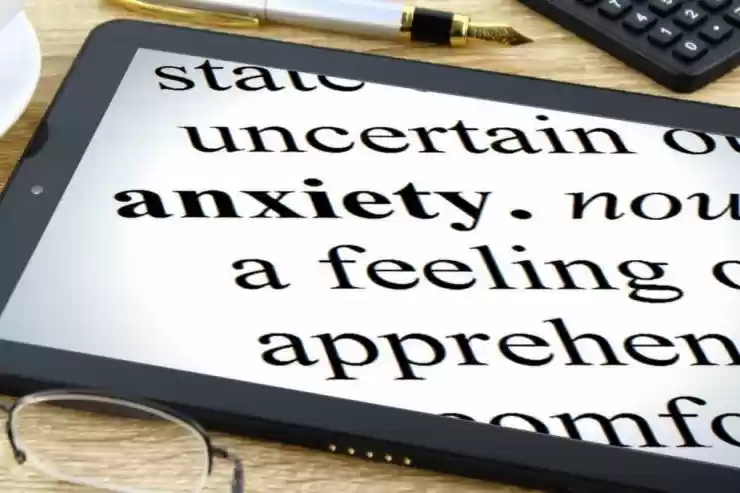
Everyone gets anxious at one point or another, it’s entirely natural. However whilst some musicians take advantage of their nerves by driving the energy into their performance, others let a racing heart and trembling, sweaty hands get the better of them. Unfortunately, this can sometimes result in a poor performance.
Whether you are a singer stepping up to a mic for the first time or a seasoned function band guitarist with hundreds of gigs under your belt, performance anxiety can creep in at any point in your career. The good news: stage fright is very manageable once you understand what is happening in your body and put a few reliable techniques in place. Below are nine tried and tested tips from working musicians, covering everything from breathing exercises to what to do if things go wrong mid-set.
In this blog, we take a look at a few ways to manage anxiety and stage fright by getting hints from other musicians and some helpful quotes from Anxiety Coach – hopefully this will lead to you becoming the best performer you can be!
Realise you aren’t alone
The first step in combatting your stage fright is realising you are not alone in feeling this way. It is very important to understand that there isn’t a musician alive who doesn’t suffer with some level of self-doubt and sometimes feel nervous before going onstage.
It doesn’t matter whether you’re playing to a sold-out Wembley Stadium, or a few family and friends in your living room (often more the nerve racking than the former!) it’s entirely normal to feel a little anxious or some trepidation.
There are some huge stars (who have been performing for decades!) that still suffer from stage fright. CBS News reports that’s performers like Andrea Bocelli, Rod Stewart and Barbara Streisand all suffer from nervousness in various ways.
Anxiety Coach says:
Expect, and accept, that you will feel anxious, especially at first. That’s OK. If you allow yourself to work with the anxiety, not against it, you’ll be able to calm down and proceed. If you resist the anxiety, you’ll make more trouble for yourself.”
Over prepare
A great way to help adjust to your surroundings on stage is to be totally confident in the material you are performing. The less left to chance, the better. Of course, this will be dependent on the style of music you are performing – some genres, like Jazz, will probably be dependent on a least a little improvisation, but you can still practice the scales you are planning to use!
Breathing techniques that actually calm nerves
When adrenaline kicks in before a gig, your breathing gets shallow and fast, which only makes you feel more panicky. Slowing your breath is one of the quickest ways to reset your nervous system, and it is something you can do backstage, in the car park, or even in the last bar or two of an intro.
Two simple techniques are worth practising. Box breathing: breathe in for 4 seconds, hold for 4, breathe out for 4, hold for 4, and repeat for a minute or two. It is used by everyone from Navy SEALs to professional speakers. 4-7-8 breathing: breathe in through the nose for 4 seconds, hold for 7, exhale through the mouth for 8. Both techniques work because extending the exhale activates the parasympathetic nervous system, which is the body’s natural off switch for the fight or flight response.
If you are a singer or wind player, you already know the value of diaphragmatic breathing. The key is to use these techniques before nerves spike, not only once you are already in a state.
Perform more
The best way to combat nerves about anything is with experience. The more often you perform, the more comfortable you will become in the situation and the less nervous you will be before hand.
Nerves begin to ease once the musician feels confident in his/her ability to perform and factors such as a strong, supportive crowd response will boost confidence.
Whilst anxiety attacks are unhelpful when it comes to performing, a few nerves are often also seen as a good thing, keeping musicians on their toes and ensuring they continue to work hard at their craft.
Last Minute Musicians singer, Marcus Nye believes that turning up early and having a good sound check is vital to feeling confident before a gig. He says:
Most of my nerves are thoughts of plug socket locations at new venues, technical issues, microphone feedback and less to do with the thought of playing the actual song come the performance. So getting the right PA and a good consistent sound check each time….. then relax.
Be organised
A large part of being a professional musician is all about being prepared and able to deal with things when they go wrong. By turning up early and giving yourself ample time to prepare for the performance, if things go wrong you will have time to fix them before the show.
Some musicians may find that breathing exercises or even meditation is also good method of relieving stress. Many professionals also follow a strict routine of organising lyrics, spare equipment and refreshments before going onstage.
Last Minute Musician Gavin Clarke says:
Stay in the zone and don’t let other factors like rowdy or unresponsive crowd affect your performance. If you’ve played the songs lots of times, just concentrate and don’t let your mind wander. If things go wrong or not as planned, just stay calm and try not to show to your audience. As the saying goes: ‘The show must go on!’
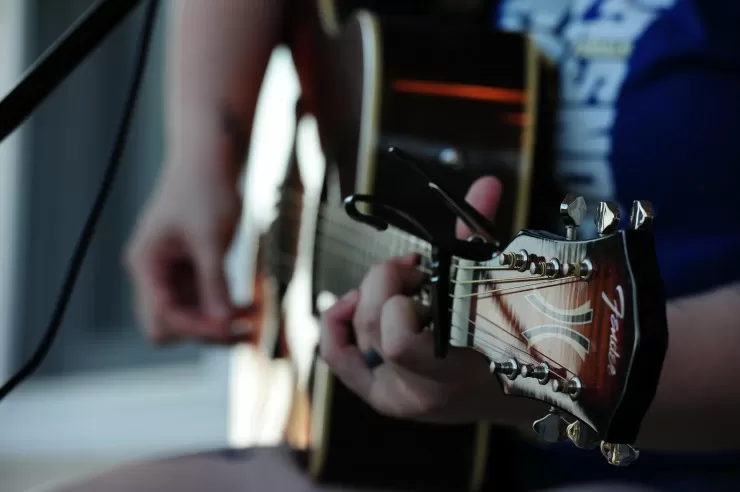
Last Minute Musicians guitarist Ben Bowden put together a short list that he believes helps to settle pre gig nerves:
1) Make sure you’re in a band with people you can laugh with, as this loosens the jaw muscles and relaxes the mind
2) Use your own sound team when you can. Although some guys are excellent, others are not. Minimise the variables you cannot control
3) Bring a packed lunch. I never get time to get out and get fed
4) Know your stuff and be well rehearsed
Reframe nerves as excitement
Here is a small mental trick that has surprisingly strong research behind it: instead of telling yourself “calm down” when you feel nervous, tell yourself “I am excited”. Anxiety and excitement create almost identical physical symptoms (racing heart, butterflies, heightened alertness), so it is much easier to relabel the feeling than to fight it. Studies have shown that performers who reframe their nerves as excitement tend to perform better than those who try to suppress them. Next time you feel your heart pounding before a gig, try saying out loud: “This is excitement. I am ready to play.”
Visualization
A common technique used by professionals in other activities (such as diving) is visualising the performance before it happens.
Focusing on exactly what your role is, whether it be a complicated solo or singing a high note, whilst envisaging the performance will help calm the nerves when it is actually happening.

Anxiety coach says:
“If you want to talk (or sing, act, etc.), you have to breathe. And if you want to do these things calmly, you’ll need to breathe diaphragmatically. This won’t always come naturally, and you’ll probably need to practice. You might think you already know everything there is to know about breathing, and if you’re a professional singer you probably do. But everybody else, be sure to take a look at the breathing material.”
Tips for singers: protecting your voice under pressure
Singers face a particular challenge: anxiety tightens the throat and jaw, which is exactly the opposite of what you want when you need a clear, relaxed vocal. If you are a vocalist, a few habits can make a huge difference on the night. Warm up properly (lip trills, humming, and gentle scales are better than belting), hydrate well in the hours leading up to the gig (but avoid ice cold water just before you sing), skip dairy and excessive caffeine on show days, and avoid aggressive throat clearing which irritates the cords and makes everything worse.
If you are booking yourself out as a vocalist, it is also worth browsing the singers and vocalists on Last Minute Musicians to see how other working performers present themselves and what kind of repertoire is in demand. Confidence on stage often comes from knowing your niche and owning it.
Develop a rapport with the audience
Everybody has a different style of performing. It’s a very personal thing that you develop through your own experiences and absorbing the habits of your heroes and inspirations.
One way to combat being afraid of performing in front of people is to break down the invisible barriers between you. Interact with the audience and make your performance feel less of a formal occasion.
Anxiety Coach says:
Establish contact with the audience through eye contact and talking directly to them. Ask them questions to get them involved… While your natural instinct will probably be to avoid the audience as much as possible… you will actually feel less anxiety once you get the audience involved with you.”
What to do if things go wrong mid-performance
Part of the fear of going on stage is the what-if catalogue running through your head: what if I forget the lyrics, what if my string breaks, what if the PA cuts out, what if nobody claps. The reality is that every working musician has been through all of these at some point, and audiences are far more forgiving than you think. The golden rule is: keep going. If you forget a lyric, hum through the line or repeat an earlier verse. If you break a string, switch guitars or vamp while the bass player covers. If the sound cuts out, smile and wait it out. Nine times out of ten, the audience will not even notice unless you make a face.
Recovery is a skill you can practise in rehearsal. Try deliberately messing up a song in rehearsal and carrying on without stopping. The more comfortable you are with small mistakes, the less power they have to derail you on the night.
A note on beta blockers
Beta blockers are sometimes discussed among classical and orchestral musicians as a way of reducing the physical symptoms of severe performance anxiety (trembling hands, racing heart). They are prescription medication and come with their own considerations. If your stage fright is genuinely affecting your ability to work, this is a conversation to have with your GP rather than something to self-medicate. This article is not medical advice.
Reward yourself for successful performances
While the cold hard cash and sense of relief can often be rewarding enough, take a few minutes to reflect on the successful elements of your performance in a positive light. Maybe enjoy a drink, something to eat and relax!
Do you get stage fright or anxiety? Let us know how you overcome it in the comments below!