
Last updated: March 2026
Whether you’re a seasoned veteran or new to the music scene, one thing everyone has in common is the need to source good quality gear at a good price, and sell things you no longer need.
With expert advice from instrument luthier Matthew Bascetta, here are our top tips for things to watch out for when buying and selling instruments online.
Top tips when selling instruments
1. Be honest
For those who want to sell their instrument as quickly and painlessly as possible, being as honest about the instrument being sold is, simply put, the best idea.
Sellers should aim to create an informative, appealing listing which shows the item in its best light, but does not shy away from the important details, such as the item’s specification, condition and whether it needs repairs.
Embellishing facts and/or making an item seem too good to be true will lead to problems when selling and may even push well-informed potential buyers away.
Matt says:
If there are any problems with your instrument, it may be worth looking into having it repaired before selling it, as the value added may outweigh the repair cost.
Always consult with an expert and remember; trying to gloss over any problems, no matter how small, may come back to haunt you!
2. Set a fair price
Before setting a price for an instrument, sellers should do some research so as to know what similar instruments are selling for.
Respect potential buyers and set a fair price, which reflects the quality of the item being sold.
If the item being sold is widely available second hand, then sellers may find that they need to undercut the competition for a quick sale.
That said, if the item is rare and not regularly seen in an online/offline market place, then the item’s price will often be higher. It’s the simple rule of supply and demand.
Matt says:
“Setting a fair price means setting a realistic price – it may sound harsh, but you can’t price an item based on sentimental value”
3. Include good quality photographs
A “that’ll do” attitude to attaching photographs to your listing is a sure fire way to end up far down the group feed, with no interest at all.
No one’s expecting you to be David Bailey here, but a selection of clearly lit shots from various angles would seem to be common sense.
The more detail you can show initially, the less likely your buyer will have an issue on collection.
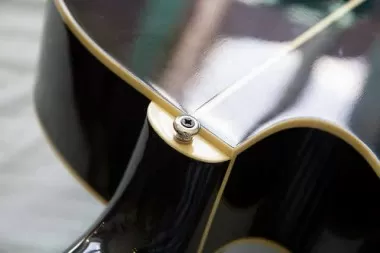
Make sure to include detailed photography
4. Adhere to the rules
Before listing an ad on any buy/sell/swap site or Facebook group, make sure you give the group’s rules a thorough read.
The last thing anyone wants is to have their post deleted or worse, end up banned for repeatedly posting content that’s against the rules.
Prepare Your Instrument Before Selling
First impressions matter. Before listing your instrument, give it a thorough clean and make sure it is in the best possible condition. For guitars, this means fresh strings, a wipe down of the fretboard and body, and checking the intonation. For keyboards and pianos, ensure all keys are functioning and give the casing a polish.
Include any accessories you have, such as cases, straps, cables, stands, or original manuals. Our musicians’ gig bag checklist is a handy reminder of all the gear and accessories that hold value for buyers. Buyers are far more likely to pay a fair price when they can see the instrument comes as a complete package. If you are selling higher-value items like a quality acoustic guitar or a digital piano, it may also be worth having a professional service or set-up done beforehand, as this can add more value than it costs.
Where to Sell Musical Instruments Online
Choosing the right platform can make a big difference to how quickly your instrument sells and the price you achieve. Popular options in the UK include eBay, Facebook Marketplace, Gumtree, and specialist music gear groups on Facebook. For higher-end or vintage instruments, dedicated platforms like Reverb are worth considering, as they attract serious buyers who understand the value of quality gear.
Each platform has its own fee structure and audience, so it pays to compare. eBay offers wide reach but charges seller fees, while Facebook Marketplace and local groups let you sell fee-free but typically attract local buyers only. For a quick sale at a fair price, listing on multiple platforms at once is often the best approach.
Shipping and Packaging Tips
If you are selling to a buyer who is not local, safe shipping is essential. Musical instruments are often fragile and awkwardly shaped, so take extra care with packaging. Use a hard case wherever possible, and wrap the instrument in bubble wrap before placing it inside. Fill any gaps in the box with packing material to prevent movement during transit.
For guitars and other stringed instruments, it is a good idea to slacken the strings slightly to reduce tension on the neck during shipping. Always use a tracked and insured delivery service, and make sure you have proof of postage. Be upfront with buyers about shipping costs – many sellers find it helpful to use a shipping calculator and include the cost in their listing from the outset.
When purchasing an instrument online
Remember: if you are looking to purchase a musical instrument, it may well be worth getting it insured against damage or theft. Check out this Last Minute Musicians article on Insurance for musicians for more advice and helpful tips.
5. Research the product
Many musicians will already know what type of instrument they are looking for and why they want it, and this will alter the questions they ask to sellers.
However, for novice musicians, it is important to not just rely on instinct or to simply purchase the first instrument you find.
Think about what kind of sound you are looking for – what kind of instruments do your musical heroes play?
Although the chances are they may be playing very expensive or vintage instruments, a similar style will often be available at a much more reasonable rate. If you are looking for inspiration, browsing the profiles of professional guitarists and pianists and keyboardists on Last Minute Musicians can give you a good idea of the instruments working musicians are actually using at gigs and events.

6. Compare product reviews online and consider buying second hand
For those serious about learning an instrument, it is key to remember that purchasing a musical instrument is a long-term investment and, if taken care of, will last for decades.
Unlike other types of purchases, buying second hand is much more prevalent and in some cases, preferable to purchasing new.
Matt says:
Often a lot of the price tag for the more expensive musical instruments will come from the name or brand. If you’re on a tighter budget, there are often cheaper instruments that will perform the same function for less money.
For example, Fender aren’t the only people to make good Stratocasters! That said, good research is needed if buying off-brand. Online product reviews and YouTube videos can be invaluable tools.
7. Check seller feedback when using a service such as eBay
Searching for and purchasing an instrument online can be a long, drawn out process. Whilst the Internet can offer great deals that may not otherwise be available, drawbacks include the uncertainty of whether the item being purchased is authentic or even exists.
In an attempt to counteract this, customers should always use a reputable seller.
Whilst services such as eBay offer seller feedback ratings, to check whether an online store is reputable, good indicators include how well the website is made, how much instrument specification is included, and how much contact the customer is able to have with the store, prior to purchase.
Matt says:
If you find a reputable vendor, make sure to leave them a good review. That way, your friends and colleagues will know they provide a good service. Hopefully they’ll do the same and you can all avoid dodgy dealers!
8. When buying on Facebook, use the group search function
Chances are, unless this is their first listing, the individual you’re buying from may have had dealings with others in the group. If you are new to using Facebook as a musician, our guide to Facebook for musicians covers the basics of getting set up and finding the right groups.
Search through the posts and take a look at the interactions they had. Were there any complaints or strange looking comments?
Remember to take this with a pinch of salt – you don’t know all the details of the situation.
Quick tips when buying a new instrument
- The instrument will select the musician. Okay, so this isn’t Harry Potter, but many musicians attest to the notion that certain instruments will ‘feel’ right. One of the serious downsides for buying online is that you can’t try out the instruments beforehand. Combat this by trying out your friend’s instruments and taking advice.
- Be systematic. Analyse the instruments and compare their qualities to your needs.
- Check used instrument listings for a bargain
- If purchasing online, get lots of photos of the instrument
- Check the return policy
- Always shop around
Matt says:
Remember, when it comes to stringed instruments, a lot of the way the instrument plays is in the “set up”. These are adjustable factors like string height, truss rod positioning and intonation which can all be adjusted to suit the player.
Don’t buy the instrument just because it’s set up the best, buy the one that has the specs you require, like neck profile, electronics, weight etc. and have the other points looked at by a luthier.
9. Ask lots of questions
Many instruments can cost hundreds, if not thousands, of pounds and any legitimate sellers will be expecting lots of questions from potential buyers.
It is important to find out what the instrument’s serial number, manufacturing information/address and phone number and the item’s return information, should the buyer be unhappy with the product.
If the seller does not reply to questions promptly, more often than not it’s best to refrain from purchasing.
10. Make every attempt to play the instrument before purchasing
Obviously purchasing instruments online means that the customer is not able to aesthetically understand how it feels in their hands and, more crucially how it sounds.
When searching for an instrument, try and search for sellers who are within a reasonable distance to your home.
This way, if you find an instrument you are interested in purchasing, you may be able to negotiate a time with the seller when you can come and see the instrument for yourself.
Alternative ways to source gear
Music Stores
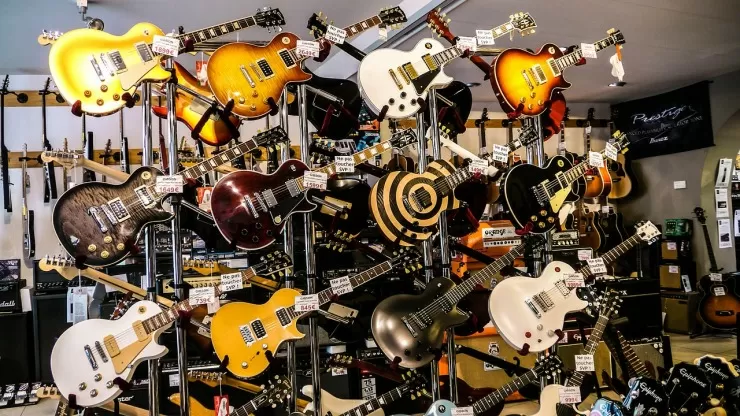
A guaranteed way to be able to try out your potential choice of instrument is to visit a music store, and in this respect it has a definite advantage to online purchases.
You’ll also get a much more immediate interaction and be able to ask advice. Bonus good karma is also available for supporting independent business!
Use your network
Working musicians are almost guaranteed to be involved in network of like minded musicians, whether it be through playing in an orchestra, attending music college or simply playing lots of gigs and meeting the other musicians who are playing the show.
Using this network is likely to be one of the best and safest methods of buying and selling musical instruments, as you are likely to know those you are communicating with, should any problems occur.
Any top tips on things to watch out for when buying an instrument second hand? Any great ideas for making sure your listed gear is sold in no time at all? Feel free to share them in the comments!