Last updated: 9 April 2026
The average cost of a wedding band in the UK is currently £1,093, based on live pricing data from 1,454 wedding band listings on Last Minute Musicians (part of our wider directory of 3,500+ acts). In London, the average climbs to £1,146, and in Edinburgh and Glasgow it reaches £1,210 and £1,214 respectively. Budget-level acts start from around £100 for solo musicians, with acoustic duos from £200, while top-tier showbands and luxury acts can reach £11,800 or more. This guide breaks down what you can really expect to pay in 2026, drawing on actual marketplace data from 3,500+ UK acts, with a full price table by act type, regional variation, and practical advice on which wedding band fits your budget.
Wedding band prices at a glance (2026)
The table below uses real pricing data pulled from the Last Minute Musicians marketplace in April 2026. Figures are calculated across our full UK directory of 3,500+ musicians, bands and DJs, so the averages are not agency list prices – they are the rates real couples are seeing when they request quotes directly from acts.
| Act type | Typical size | Average price | Low end | High end |
|---|---|---|---|---|
| Solo musician | 1 piece | £360 | £100 | £1,500 |
| Acoustic duo | 2 piece | £679 | £200 | £2,500 |
| 3-piece pop band | 3 piece | £850 | £600 | £2,000 |
| 4-piece function band | 4 piece | £1,193 | £950 | £4,500 |
| 5-6 piece function band | 5-6 piece | £1,500 | £1,350 | £6,500 |
| Showband / large ensemble | 7+ piece | £2,500 | £1,800 | £11,800 |
| String quartet | 4 piece | £582 | £250 | £1,800 |
| Jazz band / trio | 3-5 piece | £824 | £400 | £3,500 |
| Ceilidh / celtic band | 3-5 piece | £668 | £450 | £2,200 |
| Tribute band | 4-5 piece | £941 | £600 | £4,000 |
| Wedding DJ | 1 piece | £755 | £300 | £2,500 |
How wedding band prices vary by region
Where your wedding takes place has a real impact on what you will pay. The table below shows the average wedding band price by city, pulled directly from our directory. Scottish cities lead the pack, with Glasgow and Edinburgh both above £1,200, while the northern English cities cluster remarkably close together within about £15 of each other. London sits higher than the national average but not by as much as most couples expect.
| City | Average wedding band price | Listings on LMM |
|---|---|---|
| Glasgow | £1,214 | 817 |
| Edinburgh | £1,210 | 824 |
| Cardiff | £1,152 | 1,139 |
| Liverpool | £1,148 | 1,078 |
| London | £1,146 | 1,247 |
| Bristol | £1,145 | 1,183 |
| Leeds | £1,143 | 1,087 |
| Manchester | £1,138 | 1,105 |
| Birmingham | £1,137 | 1,232 |
| UK national average | £1,093 | 1,454 |
A few patterns worth noting:
- Scottish cities lead the country on price, driven by travel costs and the popularity of larger ceilidh and function line-ups for traditional weddings.
- The northern English cities (Manchester, Leeds, Liverpool) sit within £10 of each other, so couples in the north will find pricing remarkably consistent from city to city.
- London is £53 above the national average, and the gap between the capital and the rest of the UK is smaller than many couples expect.
- Cardiff is the surprise in the table at £1,152, slightly above London, and the only non-Scottish city to break £1,150.
- The full range in any city still stretches from around £100 to £11,800. Averages are a helpful starting point, but the specific act you choose matters far more than the postcode.
What affects the price of a wedding band?
Nine out of ten quotes land somewhere in the £800 to £2,500 range, and the difference between the top and bottom of that bracket almost always comes down to a handful of factors. Here are the big ones to understand before you start gathering quotes.
Band size (the single biggest factor)
A solo acoustic singer is the cheapest live option on the marketplace, with an average price of £360. Move up to a 4-piece function band and the average jumps to £1,193. A 5-6 piece with a horn section or dedicated male and female vocalists will typically sit between £1,500 and £2,500. Each extra musician means another fee, another set of travel costs and sometimes additional PA needs, so line-up size is where the price ladder really shows itself.
Day of the week
Saturday is by far the most expensive day to get married, and the price difference between a Saturday and a midweek booking can be meaningful. Friday evenings are increasingly popular and often slightly cheaper. Sunday weddings, particularly bank holiday Sundays, can offer the best value of all – some bands will discount by 15-25% for a Sunday booking in peak season.
Season and date
Peak wedding season in the UK runs from May to September, with August the single busiest month. Bands know this and their rates reflect it. A winter wedding (November to February, excluding New Year’s Eve) can be significantly cheaper for the same act. If your heart is set on a specific band and your budget is tight, ask whether they offer an off-peak rate.
Travel distance
Most wedding bands are based in a major city and draw a travel radius around it. Within that radius, travel is usually included. Outside of it, expect an additional charge based on miles, fuel, tolls and any overnight accommodation if the venue is remote. Booking a band local to your venue is one of the easiest ways to trim a few hundred pounds off your quote.
Experience and reputation
A band that has been playing weddings for ten years with hundreds of five-star reviews will command a premium over a newer act, even when the line-up looks identical on paper. You are paying for reliability, polish and the peace of mind that the act will turn up, sound great and handle anything the evening throws at them.
Set length and extra services
The industry standard is two 45 to 60 minute sets. If you want a band for three sets, a DJ set between live sets, ceremony music, drinks reception acoustic sets or first-dance learning, each of these will typically add to the fee. Some bands bundle these as packages and some charge them as extras – always ask what is included.
Equipment, PA and lighting
Full-service wedding bands usually bring their own PA, monitors, stage lighting and microphones for speeches. Lower-priced acts sometimes do not, and if your venue does not have a house PA you may need to hire one separately. Confirm this on every quote.
Wedding bands ranked cheapest to most expensive
If you are working backwards from a budget, this is the quickest way to orient yourself. The ranking below is based on our UK marketplace averages, cheapest first:
- Solo singer or solo musician – average £360, from £100
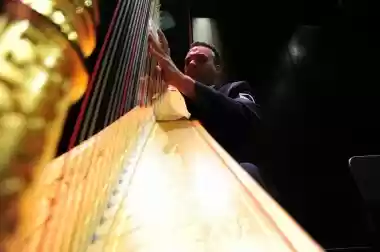
- Wedding ceremony musician (harp, solo guitar, pianist) – average £411
- Saxophonist with DJ or backing tracks – average £456
- String quartet – average £582
- Ceilidh or celtic group – average £668
- Acoustic duo or small group – average £679
- Acoustic band (3-4 piece) – average £715
- Wedding DJ – average £755
- Jazz band or swing band – from £824
- Tribute band – average £941
- Covers band – average £1,163
- 4-piece function band – average £1,193
- Party band – average £1,260
- Soul band – average £1,324
- Motown band – average £1,445
- Showband or 7+ piece live band – £2,500 and up
All figures are current averages from the Last Minute Musicians marketplace, April 2026.
Which wedding band should I hire? A budget-based decision tree
If you already know roughly what you can spend, use the brackets below to work out which kind of act makes sense. These are not hard rules – a brilliant solo singer with a loop pedal can transform a small reception, and a strong 4-piece can fit a £1,000 budget if you book off-peak. But as a starting point, this is what our data suggests.
Under £1,000: acoustic duo, trio or solo act
If your entertainment budget is under £1,000, focus on smaller acts. An acoustic duo or trio will give you a real live music feel without the full band price tag – our marketplace average is £679. A talented solo singer with a loop station can sound surprisingly full, and wedding ceremony musicians (harp, solo guitar or pianist) average just £411.
£1,000 to £1,500: 3-piece or small 4-piece function band
This is the entry point for most full function acts. A solid 3-piece or small 4-piece with a male or female vocalist sits comfortably in this bracket, and you will get a proper live band experience with drums, bass and guitar. Bear in mind that the national average for a 4-piece function band is £1,193, so budgeting £1,200 to £1,500 gives you real choice.
£1,500 to £2,500: 4-5 piece function, covers or party band
In this bracket you can comfortably book an experienced 4-5 piece party band or covers band with a broad repertoire, proper PA and lighting, and a DJ set thrown in. This is where the majority of UK wedding bookings land, and it is the sweet spot for most venues holding 80 to 150 guests.
£2,500 and above: showband, soul or themed act
Above £2,500 you are into premium territory. Soul bands (average £1,324), Motown bands (average £1,445), big bands, swing bands and showbands with horn sections all live in this bracket. You will also find the most experienced 6-8 piece line-ups here, along with themed acts for Gatsby, festival-style and vintage weddings.
Thinking about a hybrid approach?
Many couples get the best result by combining acts: a string quartet or solo guitarist for the ceremony, an acoustic duo for drinks reception and dinner, then a function band or a wedding DJ for the evening party. Some bands offer all-in-one packages that cover all three slots at a discounted total, which can work out cheaper than booking separately. Still weighing up whether a live band is the right call at all? Read our full comparison of a wedding band or DJ for your big day.
How to get the best value from your wedding band budget
A few practical tips that consistently save couples money without cutting corners:
- Book early. The best bands for peak Saturdays get snapped up 12 to 18 months ahead, and booking early also locks in the current rate before seasonal price rises.
- Ask about packages. Many acts offer ceremony, reception and evening bundles that work out 15 to 20% cheaper than booking three separate performers.
- Consider a smaller line-up. A 3-piece version of a 5-piece band is often available at a noticeably lower rate and still sounds excellent for 60 to 100 guests.
- Stay flexible on date. A Friday, Sunday or off-peak winter wedding can unlock lower rates from bands that would normally be out of budget.
- Book local. A band based within an hour of your venue will typically charge less than one travelling from the other end of the country.
- Compare what is included. A £1,500 quote that includes PA, lighting, a DJ set and travel can easily beat a £1,200 quote with bolt-ons for all four.
Once the booking is locked in, the next step is making sure the performance on the day lives up to the budget. Our guide on how to get the best out of your wedding band walks through set timings, song requests, food and green-room logistics that consistently make the difference between a good and a great reception.
Wedding band cost FAQs
How much does a 4-piece wedding band cost in the UK?
A 4-piece wedding band in the UK typically costs around £1,193 on average in 2026, based on marketplace data from 1,152 function bands on Last Minute Musicians. Budget 4-piece acts start from about £950, while more experienced 4-pieces with strong reviews and a packed diary tend to sit between £1,400 and £2,000 for a standard two-set performance.
Are wedding bands cheaper on weekdays?
Yes, usually. Saturday is peak pricing across almost every UK wedding band, with Friday slightly cheaper and Sunday often cheaper still. A midweek wedding can attract discounts of 15 to 25% off the Saturday rate for the same act. If you can be flexible on the day, you can either save money or get a better band for the same budget.
How far in advance should I book a wedding band?
For a peak-season Saturday (May to September), book 12 to 18 months ahead. The most in-demand acts often have their Saturday diaries filled a full year in advance. For off-peak dates you can often book within 6 months, and last-minute bookings are still possible if you are flexible on which act you hire – that is exactly what Last Minute Musicians was built for.
Do I need to provide food for the band?
Most wedding bands expect a hot meal during the evening, particularly if their performance window runs from early evening to midnight. It is not always a contractual requirement, but it is standard hospitality and appreciated by musicians who often travel several hours to get to you. Check the band’s terms – some include a hospitality rider, others leave it as an informal expectation.
Are travel costs charged separately?
It depends on the band. Many wedding bands include travel within a set radius (typically 30 to 50 miles from their base) and charge extra beyond that. Costs can include fuel, tolls, parking and, for venues more than a couple of hours away, overnight accommodation for the full line-up. Always ask for a fully inclusive quote so you can compare like for like.
How long does a wedding band typically play for?
The industry standard is two live sets of 45 to 60 minutes each, usually performed between 8.30pm and 11.30pm. Many bands also offer a DJ service between sets and after the final set, taking you through to midnight or 1am. If you want the band to play longer, expect to pay for additional sets or an extended booking.
What’s the difference between a function band and a showband?
A function band is the standard 4-5 piece wedding and party act – guitar, bass, drums, keys and one or two vocalists playing a repertoire of pop, rock, funk and motown covers. A showband is bigger and more theatrical: often 7+ pieces including a horn section, full choreography, costume changes and dedicated frontmen. Showbands cost significantly more (typically £2,500 upwards) and are best suited to larger venues and bigger guest numbers.
Ready to find your wedding band?
Last Minute Musicians is the UK’s largest independent directory of wedding bands, musicians and DJs, with 3,500+ acts and over 15,800 real client reviews. Unlike agencies, we don’t add a booking fee or markup – you contact the acts directly and negotiate the quote that works for you. We are rated Excellent on Trustpilot by thousands of couples.
Browse wedding bands for hire on Last Minute Musicians →
You can also explore our full range of function bands, wedding DJs, string quartets, ceilidh bands and wedding ceremony musicians – all bookable directly, no middleman.