Last updated: March 2026
Over the past three decades the music industry has been changing rapidly. No longer is being signed to a major label the only way to secure the means to make a record.
Firstly, there is the availability and relative affordability of high quality recording software and equipment. However, for those seeking to make a record in a studio, there is the recent popularity of the concept of crowdfunding.
As everyone involved struggles to find their footing in an industry arguably still adapting to the 21st century, musicians have found that crowdfunding is a rather ingenious method of skipping the middle man and reaching out to their fans to make a record, fund tours or do just about anything!
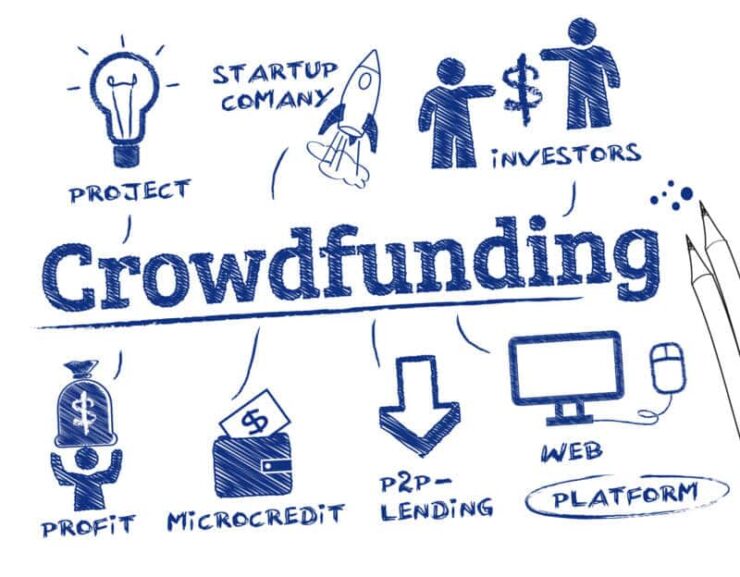
What is crowdfunding?
Speaking with the Guardian, CEO of PledgeMusic, Benji Rogers, explains:
“Crowdfunding is ‘please give me money, then I will do’. Direct-to-consumer is ‘I’ve done it, here’s five ways to buy it.’ We’re in the middle with ‘be a part of the making of it’ – it truly is direct to fan.”
The premise of crowdfunding is very simple – rather than providing a product or service then taking payment, people wishing to purchase the product or service “pledge” a certain amount of money in advance, thereby facilitating its production.

A simple example of crowdfunding for musicians would be those who are looking to make a record, but don’t have the necessary resources to book the studio time. Turning to crowdfunding means they can “pre-sell” copies of the album or EP (as well as other “perks” or merch), hopefully then acquiring enough funds to make the album.
This can also be applied to getting together the funds to support a tour or many other projects.
How do I begin a campaign?
1. Select a platform
The first thing you’ll need to do is select a platform to host your campaign. There are several popular crowdfunding platforms to choose from, each with different fee structures and approaches.
Kickstarter is one of the most well-known crowdfunding platforms for creative projects. It uses an all-or-nothing model, meaning you only receive the funds if your campaign reaches its target. Kickstarter charges a 5% platform fee on successfully funded projects, plus payment processing fees of around 3-5%.
Indiegogo offers both all-or-nothing and flexible funding options. With flexible funding, you keep whatever you raise even if you don’t hit your target – though the platform fee is slightly higher (5% for fixed campaigns, 5% for flexible). This can be a good option if partial funding would still allow you to make progress on your project.
Bandzoogle is built specifically for musicians and takes 0% commission on crowdfunding. Instead, it works on a monthly subscription model (from around $8/month), so you keep everything your fans pledge. This can be particularly cost-effective for larger campaigns.
Patreon takes a different approach, offering ongoing subscription-based support rather than one-off campaigns. Fans pay a monthly amount in exchange for exclusive content, early releases, or behind-the-scenes access. This can provide a more sustainable income stream alongside traditional crowdfunding.
Although it is possible to start a campaign without an existing platform and avoid any commission, the organisation and reassurance to your contributors that one of these platforms provides can prove very useful.
A note on PledgeMusic
PledgeMusic was a site exclusively for musicians, that offered a hands-on service for those campaigning for a specific project. Unfortunately, a winding up order was issued against the business in 2019, and the site is no longer operational.

You can read more about what happened to PledgeMusic here, but if you were affected by the fall out, then you can read more about how to get help from the Musicians’ Union.
2. Create some perks
You’ll then need to come up with a selection of rewards to offer your fans in return for their contribution. These can be anything from downloads of an upcoming release to shout-outs on liner notes and credits.
Previous rewards and incentives have ranged from house concerts, signed lyric sheets, backstage passes, personally signed EP’s and unheard demos. By offering truly exciting rewards, it may even be possible for a band to – theoretically – receive funds exceeding their original target.
3. Promote your campaign
Once you’ve begun your campaign, it’s time to get the word out on it. The first step is to film a video explaining who you are and what your campaign is for.
Then come up with a very detailed schedule for the promotion of your campaign and stick with it! Utilise any of your local press contacts and come up with regularly scheduled posts on social media that link back to your campaign site. For more ideas, check out our guide to promoting your band with 60 quick tips, or read our ultimate guide to Facebook for musicians.
Key points about crowdfunding
- Fans put a considerable amount of faith in a musician to deliver the final product and the musician will have to account for manufacturing and shipping.
- It takes a lot of promotion and hard work
- Offering exciting incentives and rewards is vital
- Whilst crowdfunding is an accessible way of generating revenue, those considering it should be entirely honest about the potential of the project.
Research suggests that bands that have been successful with crowdfunding have worked hard creating well thought-through marketing campaigns and have offered exciting, motivational rewards to those who donate.

A band’s campaign should be treated as a business model. Plan thoroughly, go through a rigorous process of budgeting and have lengthy discussions about how realistic the project is before launching. Make sure you account for all costs, including manufacturing, shipping, and platform fees.
Throughout the campaign it is crucial that a band is in regular and direct contact with their fans, reminding them how to contribute and what they can get in return.
Tips for a successful music crowdfunding campaign
Beyond the basics, here are some additional tips to help your crowdfunding campaign succeed:
- Build your audience first – The most successful campaigns come from artists who have already built a loyal following. Spend time growing your social media presence and email list before launching.
- Set a realistic target – Be honest about what you need and what your fanbase can realistically contribute. It is better to exceed a modest target than to fall short of an ambitious one.
- Be transparent about costs – Break down where the money will go. Fans appreciate knowing exactly how their contribution will be used, whether it is studio time, mixing, mastering, or pressing vinyl.
- Keep backers updated – Regular updates throughout and after your campaign build trust. Share behind-the-scenes content, progress reports, and sneak previews to keep supporters engaged.
- Deliver on your promises – This is crucial for your reputation. If there are delays, communicate openly. Fans are generally understanding if you keep them in the loop.
Remember, performing live is one of the best ways to build the kind of fanbase that will support a crowdfunding campaign. If you are gigging regularly, make sure you are putting together a great set list that keeps your audience engaged. And don’t forget to look after yourself on the road – read our tips on preventing repetitive strain injuries and find out what to drink and what to avoid before a performance.