

Last updated: April 2026
While the mythical days of Rock N’ Roll excess may be largely behind us, many musicians still enjoy a drink before or after playing a show. While this may be fine for those without singing (or driving!) duties, those who provide vocals must consider the effect alcohol will have on their performance.

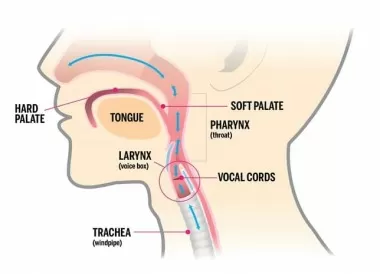
Singers rely on their vocal cords (sometimes also known as vocal folds) to create a beautiful sound. To preserve a singer’s voice and ensure its clarity, many foods, drinks, and bad habits (such as smoking) should be avoided – alcohol is definitely a factor to consider.
Folds of membranous tissue which project inwards from the sides of the larynx to form a slit across the glottis in the throat, and whose edges vibrate in the airstream to produce the voice.
Oxford Languages definition of vocal cords
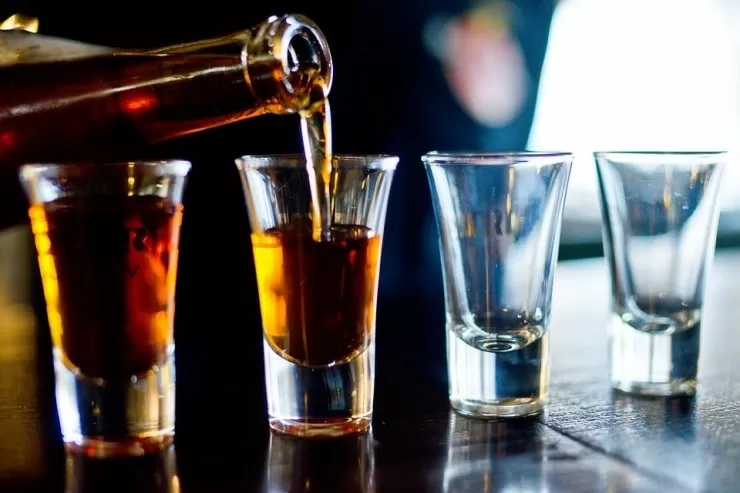
Does alcohol affect singing?
Yes – alcohol does affect singing and your vocal cords. A study by Binghamton University into alcohol’s acute effect on vocal range had six key findings:
- Lowered availability of NADH that is used in synthesis reactions throughout the body.
- Increased membrane disordering in membranes and tissues that alter the environment of many important enzymes that have specific situational work conditions.
- Decreased breath support due to decreased breathing rate and heart rate.
- Decreased ease of stretching the vibratory subsystem.
- Dehydration of the vocal subsystems due to diuretic properties.
- Behavior is altered, affecting the decisions regarding smart vocal health. Misuse and overuse of the voice.
The NHS also list several long-term health risks that are associated with alcohol misuse, including high blood pressure, stroke, pancreatitis, liver disease, liver cancer and more.
Despite the dangers, musicians (and indeed, much of society) continue to enjoy a drink or two. Research by the Office of National Statistics shows that in 2011 64 per cent of men drank more than 20 units of alcohol per week, and 63 per cent of women drank more than 10 units weekly.
There were 339 thousand estimated admissions related to alcohol consumption in 2015/16. This is 3 per cent higher than 2014/15 and 22 per cent higher than 2005/06.
Gov.UK
Is alcohol bad for your vocal cords?
Alcohol is bad for vocal cords in several ways. Because alcohol is a diuretic, it dehydrates the body – and dehydration directly affects the vocal folds, making them less flexible and more prone to strain. Alcohol also relaxes the muscles around the larynx, reducing the precision and control singers need. For vocalists, this means less reliable pitch, reduced range, and increased risk of damaging the voice through overuse.
Alcohol and opportunity
Something that often gets missed in the discussion of drinking and singing is the possible detriment alcohol can have on your career, through missed or inadequately exploited opportunities.
Celebrating the end of a long run of shows is one thing, but a really bad hangover can often leave you feeling rough for a while.
This is something to think about, given the fact that all musicians should want to maximise their ability to capitalise on any opportunity presented, no matter how last-minute the phone call.
The Musicians’ Union has advice for staying healthy on the road, including advice on avoiding the temptation of excess and getting proper nutrition.
What should singers drink? Best drinks for vocal health
The page title promises to cover what to drink as well as what to avoid, so here’s a quick guide to the best drinks for singers:
- Room temperature water – The gold standard for vocal health. Staying hydrated keeps the vocal folds supple and functioning properly. Avoid ice-cold water, which can cause the throat muscles to tighten.
- Warm herbal teas (non-caffeinated) – Chamomile or licorice root tea can be soothing. Avoid anything with too much caffeine, which acts as a diuretic and can dehydrate the voice.
- Warm water with honey and lemon – A classic singer’s remedy. Honey coats and soothes the throat, while lemon provides vitamin C. Avoid this if you suffer from acid reflux, as lemon can aggravate it.
- Ginger tea – Ginger has natural anti-inflammatory properties that can help soothe irritated vocal cords.
- Coconut water – A good source of electrolytes that can help maintain hydration levels during a long performance.
If you are going to drink alcohol before a performance, the general advice is to keep it to an absolute minimum. Some singers (including singing guitarists and singing pianists) find that a small amount of a spirit (such as whisky or brandy, sometimes with honey) helps settle nerves. However, the risks to your voice generally outweigh the perceived benefits.
Top things to avoid as a vocalist according to Soundfly
- Milk, yogurt, cheese, and other dairy
- Processed sugar
- Caffeine
- Ice water
- Soda
- Chocolate
- Spicy foods
Top things to avoid as a vocalist (via Secretsinger.com):
- Green Tea
- Milk
- Beer and Wine
- Ice cubes
- Garlic
Can alcohol permanently damage your voice?
An occasional drink is unlikely to cause lasting harm, but heavy, long-term alcohol use can contribute to real vocal damage. Chronic dehydration, repeated acid reflux (a common side effect of drinking) and increased risk of vocal strain while intoxicated can all take a toll over time. Professional classical singers and pop and rock vocalists often limit alcohol entirely during tours and recording sessions for this reason. If you notice persistent hoarseness, loss of range or a rougher tone that does not recover after rest and hydration, it is worth speaking to a doctor or a specialist voice clinician.
Does alcohol make your voice deeper?
You may have noticed that your voice sounds deeper or raspier after a few drinks. This is usually a short-term effect caused by swelling and inflammation of the vocal folds, along with a slight relaxation of the surrounding muscles. It is not a genuine change in your natural voice, and it is not a desirable one either. The raspy “whisky voice” associated with some jazz singers and country vocalists is more often the product of years of strain, smoking and age than any single drink. Relying on alcohol to darken your tone is a risky trade for something you can achieve more safely with good technique.
Disclaimer: the information in this article is intended as general guidance for working musicians and is not a substitute for medical or professional advice. If you have concerns about your voice or your alcohol use, please speak to a qualified healthcare professional.
What do singers say about drinking before a performance?
While some musicians find a drink before a show helps them relax, what they choose could impact their performance. Vocalists Niven Smith and Karen Gilmore suggest that staying away from carbonated drinks is important. Niven says;
Keep away from anything fizzy like lager or coke.
Many people, such as musician/producer Al Ferrier, choose not to drink at all during a performance. He says;
I never touch booze when I am working. I drive to and from the gig and also feel better playing with a clear head.
If you require more information on alcohol and its effect on your career or lifestyle, speak to your GP or another health professional. You can also seek medical advice from the NHS 111 service, by calling 111 or using 111 online.
The NHS also has several pages online dealing with alcohol misuse and alcohol support.