Last updated: March 2026
From Pete Townshend and Brian Wilson to Will.i.am and Phil Collins, many famous musicians have hearing damage and therefore act as testimony that musicians and music lovers alike should protect their ears.
Note: while Pete Townshend, Brian Wilson and Will.i.am experienced noise-induced hearing loss from years of performing, Phil Collins’ hearing loss was caused by a viral infection (sudden deafness syndrome) rather than noise exposure. Regardless of the cause, all of these cases highlight how important it is for musicians to take hearing health seriously.
Our ears are sensitive to noises over 80db and whilst those who temporarily subject themselves are to loud environments (such as a gig or band rehearsal (read our guide to sound limiters)) will find that their hearing is damaged for a few hours or perhaps days afterwards, those who regularly work in environments such as these are highly likely to develop long term hearing problems.
In an attempt to combat this, musicians and spectators alike are usually advised to wear ear protection to safeguard against hearing loss and tinnitus, the most common form of hearing damage.

Tinnitus
Tinnitus is defined as an awareness of sound within the ears or head that does not come from an external source, and can be caused by exposure to loud sound. It’s explained well in this video below:
Hearing Damage: The Facts
Noise-induced hearing loss is a serious risk for working musicians. Research shows that musicians are approximately four times more likely to develop hearing loss than the general public, and 57% more likely to develop tinnitus. Any sound above 85dB can cause permanent damage with prolonged exposure, and a typical live gig or rehearsal can easily reach 100-115dB.
The damage is cumulative and irreversible, which is why early prevention is so important. Even short exposure to very loud sounds, such as standing near a drum kit or guitar amplifier, can cause temporary threshold shifts that may become permanent over time. If you notice ringing in your ears after a gig, that is a warning sign that your hearing has been affected.
Protecting your hearing
There are essentially two routes to go down with ear protection – IEM’s and Ear Protectors.
IEM is short for In Ear Monitoring. IEMs are an alternative to using loud floor monitor speakers and are essentially headphones that are wirelessly linked to the monitoring output of the mixing desk.
Ear Protectors look similar to headphones, but don’t contain speakers. They are essentially moulded bits of plastic designed to block out certain frequencies.
Types of Ear Protection for Musicians
There are several types of hearing protection available, each suited to different budgets and needs:
Custom-moulded earplugs are made from impressions of your ear canals by an audiologist. They offer the best fit and comfort for long sets, and typically reduce volume evenly across frequencies so music still sounds natural. Expect to pay between £100 and £200 for a professional fitting.
Universal-fit musician earplugs such as Alpine MusicSafe or Loop earplugs are a more affordable option, usually between £15 and £30. They use special filters to reduce volume while preserving sound quality, making them a good starting point if you are new to hearing protection.
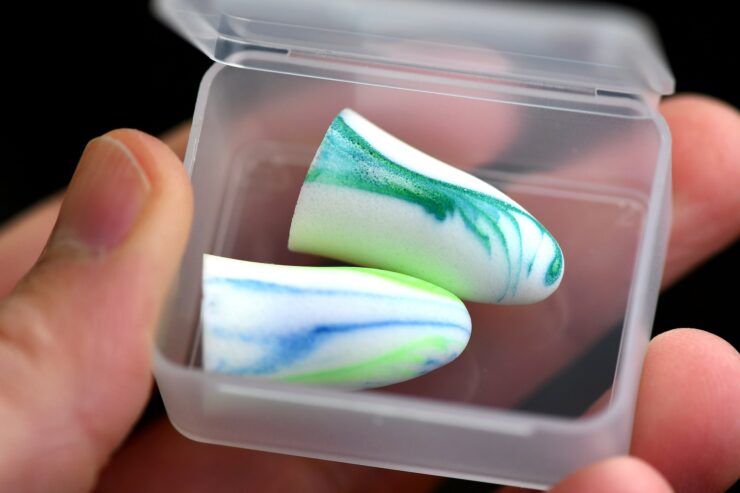
Foam earplugs are the cheapest option at just a few pence per pair. While they offer good noise reduction, they muffle higher frequencies and can make music sound dull. They are fine for occasional use or as a backup, but not ideal for regular performers. You can pick up a decibel-meter app on your phone to check the volume at your next gig – see our list of useful mobile apps for musicians.
In-Ear Monitors (IEMs) serve double duty: they let you hear a custom monitor mix while also blocking out external stage volume. Professional-grade IEMs are the preferred choice for touring musicians, though budget options are available from around £50. Make sure you keep your ear protection in your gig bag so you never arrive at a venue without it.
Prices quoted are approximate and were correct at the time of writing. They may vary depending on the provider.
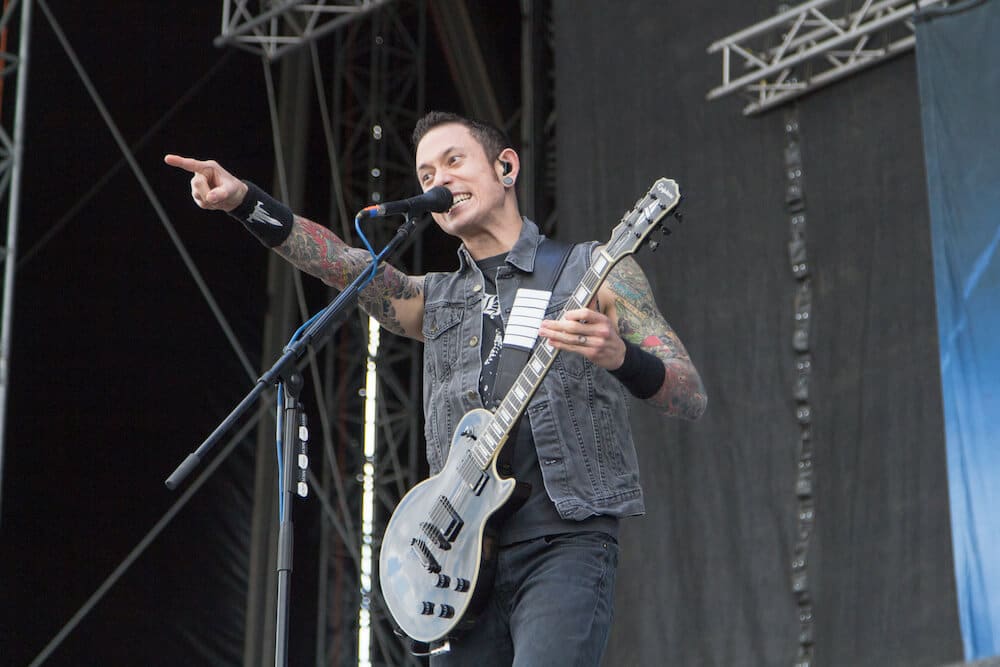
Many musicians, especially at the start of their career, fail to wear suitable ear plugs when playing. This can result in hearing damage.
Last Minute Musician Odie Roberts says:
I started without any ear protection, but after a couple of years it was obvious I had to be more aware of it. From my own experience there has to be a balance between protection and what we want for our performance comfort. For those who feel slightly removed from the environment when using in ears it’s going to mean improving either, (or both,) the quality of your in ears or the quality of your monitor input and output. We can all only afford what we can afford and that’s always the biggest limit on gear. That’s then followed by what we can realistically carry.
Odie Roberts
How to choose the right ear protection:
- Ear plugs should offer protection
- Users should aim to receive between 70-80db under the hearing protection
- Ensure that the protectors purchased are effective against the desired frequencies, either high, medium or low.
- Try before you buy: ultimately, the best way to know which protectors are best for you is to try them
- You can consult with an audiologist if you need help figuring out what level of protection you need
Drummer Gavin Harmer explains:
The biggest problem is finding the right earphones for you, mainly the seal you can get with them plus a sound you like. If you don’t get a good seal they will sound tinny and lack in bass.
Gavin Harmer
 Loading ...
Poll Results: Is Quality Ear Protection Worth the Investment?
The poll results speak for themselves: 96% of the 420 musicians who voted believe that investing in quality ear protection is worthwhile. Only 16 voters (4%) felt it was not worth the expense. This strong consensus reflects the growing awareness among working musicians that protecting your hearing is essential for a long and sustainable career in music.
Gavin goes on to say,
I’ve been using in ears for years and without them I’d be on my way to being deaf. If it sounds lifeless and dull it’s either the equipment, mix or the playing. If the mix is good it sounds like a live album you’re playing on. I have tried lots of different earphones though.
Gavin Harmer
Quality ear protectors will allow the user to talk to colleagues as well as protect them from high decibels.
The Hearing Health Scheme
Help Musicians, in partnership with the MU and Musicians’ Hearing Services, runs a scheme designed to promote awareness of hearing loss related issues amongst musicians and combatting them. The scheme offers a comprehensive hearing exam, custom moulded ear protectors and wax removal at a heavily subsidised price.
For more details, visit this section of the Help Musicians website.
The scheme offers a comprehensive hearing exam, custom moulded ear protectors and wax removal at a heavily subsidised price.
For more details, visit this section of the Help Musicians website.Protecting Your Hearing in Different Scenarios
The level of protection you need depends on your situation. During rehearsals, volume levels can be just as high as a live performance, especially in small rooms with poor acoustics, so ear protection is just as important here. At live gigs, stage volumes frequently exceed 100dB, and standing near the drum kit or guitar amplifiers increases the risk. If you play in venues with sound limiters, you may find yourself turning up your monitor mix to compensate – IEMs can help avoid this temptation.
In the recording studio, headphone levels can creep up without you noticing. Try to keep your headphone mix at a comfortable level and take regular breaks. If you are attending a concert as an audience member, a simple pair of universal-fit musician earplugs will let you enjoy the music while reducing the volume to a safe level.
Do you wear ear protection when performing or attending gigs? What products do you find work best for you? Let us know in the comments below!