Last updated: April 2026
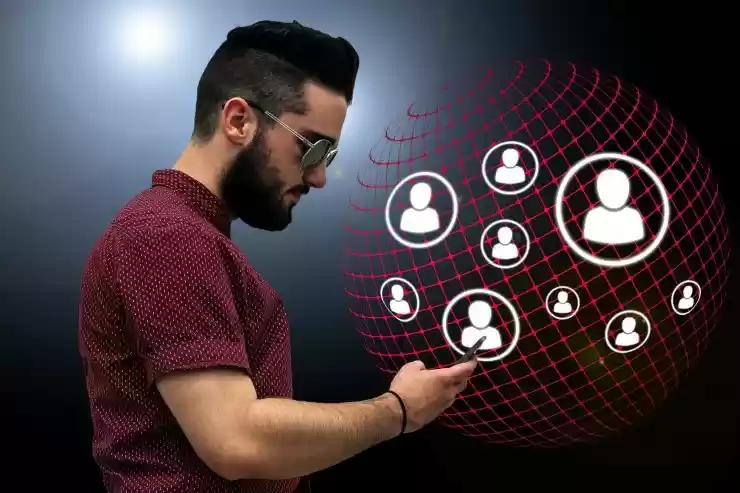
If you want more gigs, you eventually have to network with live music promoters. Promoters book the rooms, curate the line-ups and decide which acts play their nights, so getting in front of them (in a way they’ll actually respond to) is one of the highest-leverage things a working musician or band can do. This guide covers how to find the right promoters for your sound, how to approach them without annoying them, what they actually want from artists, and the networking habits that lead to real, repeat bookings.
How to network with music promoters
Start with your local scene
The most effective place to meet promoters is the same place they do their job: at gigs. Go to shows on the nights your target promoters are running, chat to the other bands on the bill, support the venue, buy a drink, and make yourself a familiar face. This is the foundation of networking at local gigs, and it beats cold-emailing ten-to-one because the promoter has already seen you respect the scene.
Research promoters before you approach them
Promoters specialise. An acoustic singer-songwriter is wasting their time emailing a hardcore punk promoter, and vice versa. Before you reach out, look at the last 6 months of their gig listings, check their socials, and work out whether your act genuinely fits the kind of bills they put together. Targeted, informed outreach converts far better than mass spam.
Build an online presence first
Promoters will Google you the moment your name lands in their inbox. If all they find is a half-empty Instagram and a broken SoundCloud, they’ll move on. Before you start pitching, make sure you’ve got a professional profile, a current photo, a couple of good-quality live videos and a simple way to stream your music. Our guide on how to promote your band online walks through the essentials.
Approach the right way
Keep your first message short. Promoters get dozens a week, so a wall of text will get deleted unread. Aim for 4-6 lines: who you are, what you sound like (with a sentence-long reference artist), a single video or streaming link, what you’re looking for, and any proof that you can pull a crowd. Never DM promoters on Facebook or send friend requests – most of them hate it. Use the channel they ask for on their website.
Follow up (politely)
If you don’t hear back in a week, it’s fine to send one brief follow-up. If there’s still no reply, leave it. Promoters remember acts that pester them, and not in a good way.
What promoters actually want from musicians
Promoters are running a business. When they book you, they’re betting their night (and sometimes their money) on you being able to help fill the room. If you understand what they’re actually looking for, your pitch writes itself.
- A draw. Even a small, loyal local following is worth a lot. If you can bring 20 paying people through the door, say so.
- Professional assets. Decent press photos, a short live video, and a one-line bio they can copy straight into their listing.
- Easy to work with. Reply quickly, turn up on time, load in without drama, play the agreed set length.
- The right fit for the bill. An act that complements the other bands on the night makes the promoter’s job easier.
- Forward momentum. Promoters would rather book a band with a new single, tour, or video on the way than one with nothing to announce.
If you’re still working out the fundamentals of getting gigs for an originals band, start there before you push hard on promoter outreach.
Where to find music promoters and networking events in the UK
Outside of showing up at gigs, a few reliable routes tend to produce the best results:
- Venue listings. Check who’s putting on the kind of shows you want to play. The promoter is usually credited on the gig poster or the venue’s “presents” line.
- Music conferences and showcases. Events like The Great Escape, Output Belfast, Focus Wales and Liverpool Sound City are all designed for artist/industry networking.
- Musicians’ Union events. The MU regularly runs regional networking and industry events that bring artists and promoters together.
- Making Music and The Unsigned Guide. Both maintain promoter and venue listings aimed at independent artists.
- Local scene meet-ups. Many UK cities have informal monthly music industry meet-ups run by venues, labels or independent promoters – keep an eye on local music socials.
For a broader rundown of hunting grounds, see our guide on where to look for gigs.
Common mistakes to avoid
- Blast-emailing every promoter you can find. It’s obvious, it wastes everyone’s time, and it hurts your reputation.
- Leading with a bio. Nobody reads them. Lead with the hook.
- Sending huge attachments. Link to streaming platforms or a hosted EPK instead.
- Chasing gigs that don’t suit you. A bad-fit booking often leads to an empty room and a promoter who won’t call you again.
- Ignoring red flags. Not every promoter is a good promoter. If someone won’t put basic terms in writing, walk away – read our guide on the warning signs to watch out for with new promoters.
- Forgetting alternative routes. If cold outreach isn’t for you, joining a live music agency can get bookings through to you without the legwork.
Fees and ticket prices mentioned in older sections of this article are accurate to the year they were first written and are retained for historical context. Current event pricing varies significantly.
The 2014 MU “Conscious Coupling” event (historical)
Bridging the gap between musicians and promoters
Do live musicians need their union to organise networking events in an attempt to stitch musicians and artists together with promoters?
On May 1st 2014 the Musicians Union are taking over Liverpool to hold an industry networking event designed to bring together artists and promoters from across the North of England.
Conscious Coupling: how promoters, artists and musicians can work better together is taking place at Liverpool’s Hilton Hotel.
The event will explore how to develop quality gigs, build musicians’ careers and help establish quality relationships between musicians and promoters.
It is hoped that the event will not only preserve Liverpool’s iconic music scene, but also generate more gigs across the North of England.
The networking event will also be soundtracked by musicians and delegates from the occasion. The event, which lasts for three days, costs £80 at a discounted rate and £200 full price – not exactly cheap!
Despite the price tag, if mimicked across the country networking events such as this could do great things for British live music.
Networking is a big part of progressing in the music industry and getting to know local promoters within a scene is just the first step to making a career from playing music.
As the event features promoters from across the north, musicians can potentially acquire gigs outside of their home town.
Building a good promoter-artist relationship is a key and crucial part of live musician’s career from a grassroots level all the way to playing stadium concerts and festivals.

Tips for networking
- Networking is best done face to face
- Take a notepad to write down names & numbers
- Have business cards/demo CDs/press packs to give away
- Make a good impression by relaxing and being yourself
- Do some research, come with questions to ask
Whilst these type of events provide an area for artists and promoters to meet and do business together, such functions could also serve benefit musicians in other ways.
Last Minute Musician Vic Cracknell said:
I’ve been a member of the MU for some years but i’m not enthused about many of their events. Public Liability Insurance is the main plus for me.
Vic Cracknell
This could be as an opportunity to educate both promoters and up and coming musicians on aspects of live music such how much musicians are worth.
Particularly as a large majority of working musicians do not consider themselves to be paid fairly.
Functions could also be used to stress the importance of using contracts and Public Liability Insurance.
Music student, George Wright says:
I probably would attend a networking event for musicians and promoters. It would be interesting to hear from other musicians and see what they have to say.
George Wright
Nevertheless, £200 seems a little expensive for a simple networking event, particularly for those who struggle to earn the entry fee from a single gig – despite the new Musicians Union live rates.
Have you attended a Musicians Union networking event? Let us know in the comments below!