

Last updated: April 2026
Vocal cords are, in many respects, the singer’s physical instrument. They must be maintained before and after performance, just like any other instrument. If that doesn’t happen the voice can become fatigued and strained from over use and prolonged periods of mistreatment. Because of this, it is crucial that all musicians (whether they are primarily a vocalist or not) take good care of their voice.
Just as a guitarist must practice their instrument often and keep good care of it, it is vital that vocalists also take care of and practice their instrument to ensure a top quality performance.

Those who intend on carving a career in the music industry take should take note of the fact that professional vocalists (that regularly perform night after night) often spend more time thinking about maintaining their voice than any other aspect of their performance.
Whilst it may not be as fun as singing to an engaged and enthusiastic audience, if vocal cords are poorly maintained the singer will be out of a job.
What are the vocal cords?
Harvard Health Publishing School says this about the vocal cords:
“The vocal cords are two bands of elastic muscle tissue. They are located side by side in the voice box (larynx) just above the windpipe (trachea).
Like other tissues in the body, vocal cords can be strained and damaged. Vocal cords are also subject to infections, tumours and trauma.
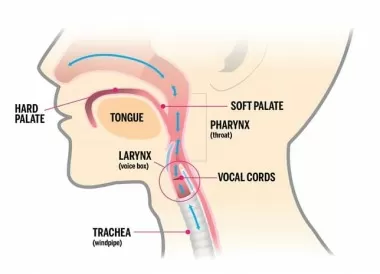
When you are silent, the cords remain open. They create an airway through which you breathe.
When you speak, the air you exhale from your lungs is forced through the closed vocal cords.
This causes them to vibrate. They vibrate faster for higher-pitched sounds, slower for lower-pitched sounds.”
Potentially damaging conditions include:
- Vocal cord nodules
- Vocal cord polyps
- Contact ulcers
- Laryngitis
Top tips for staying vocally healthy:
1) Stay hydrated

The vocal cords vibrate extremely fast when singing and can only fulfil their potential when they are well lubricated.
This involves drinking around six to eight glasses of water each day and trying to steer clear of caffeine and alcohol as it causes the cords to constrict and tighten thereby preventing the singer from hitting the top notes in their range.
If singers are drinking a lot of alcohol, they could lose parts of their vocal range, so moderating what you drink at gigs is a good idea.
It’s generally best to avoid drinks that are too cold, with lots of ice. Keep a room-temperature water bottle in your gig bag so you always have one to hand.
2) Quit smoking

Regardless of how many famous singers smoke and still sound great, smoking is bad for your voice and dries the cords producing a build up of mucus.
Smoking also cuts down breathing capacity, straining the lungs and preventing singers from being able to hold long notes.
Smoking is widely opposed and actively discouraged by professional musicians and teachers alike and whilst being somewhat accepted in some genres such as rock and blues music, smoking will still lead to laryngitis and bronchitis.
Not to mention the numerous studies that link smoking to long-term illness, such as cancer.
Watch what you eat and drink
Beyond staying hydrated and avoiding alcohol, what you eat can also affect your vocal health. Dairy products can thicken mucus, making it harder to sing clearly. Acidic foods such as tomatoes and citrus fruits may cause acid reflux, which can irritate the vocal cords. Carbonated drinks can cause bloating and discomfort while performing.
Before a gig, stick to light, non-greasy meals and give yourself at least an hour between eating and singing. Many professional wedding singers and singing guitarists follow strict pre-performance diets to keep their voice in peak condition.
3) Warm up before a performance

Every musician warms up before a performance. Guitarists do it to prevent repetitive strain injury and vocalists should warm up to keep a voice healthy and to avoid damaging the vocal cords. A good warm-up routine can also help with stage fright and performance anxiety, which often causes throat tension.
Recommended warm up exercises include breathing deeply and exhaling whilst making ‘shhh’ and ‘fff’ sounds. Practicing humming and lip trills will also warm up the voice.
Eric Arceneaux is a professional vocal coach, with some excellent videos on warming up and training your voice:
4) Get regular sleep

Vocal cords are naturally a weak muscle and need a lot of care and attention, especially if a musician performs every night.
By sleeping, singers are able to give the voice a much-needed break and it is during this downtime that the voice is able to replenish itself.
In an ideal world, experts generally recommend between 7 and 8 hours sleep a night.
Beyond sleep, it is also important to rest your voice after heavy use. If you have performed several gigs in a row, try to schedule some quiet time where you avoid speaking loudly or singing. If you are feeling unwell or have a sore throat, resist the temptation to push through – resting now will help prevent longer-term damage.
Keep your environment singer-friendly
Dry air is one of the most overlooked threats to vocal health. Central heating, air conditioning and cold winter air can all dry out the vocal cords. Using a humidifier at home – especially in the bedroom – can help keep the air moist and your voice in better shape. Aim for a humidity level of around 30-50% for the best results.
5) Practice on a regular basis

The voice, like any instrument, can always be improved upon and practicing not only allows for regular progression but also enables the singer to keep the vocal cords in good condition. Understanding the theory of practicing an instrument can help you structure your vocal training sessions more effectively.
Get used to singing scales and modes of the major scale, if possible – these will also help your overall musicality.
Whilst practicing, it’s important to practice good technique and not attempt material too far out of the singer’s vocal range.
Overall, regular practice will lead to healthy vocal cords and will protect the voice for a lifetime.
Don’t forget if you’re looking for a singer for an event you can always visit our singers for hire page or register if you are looking to get gigs yourself.
Do you have any top tips for staying vocally healthy? Perhaps you have a good warm up routine to share? Post them in the comments below!