Last updated: March 2026
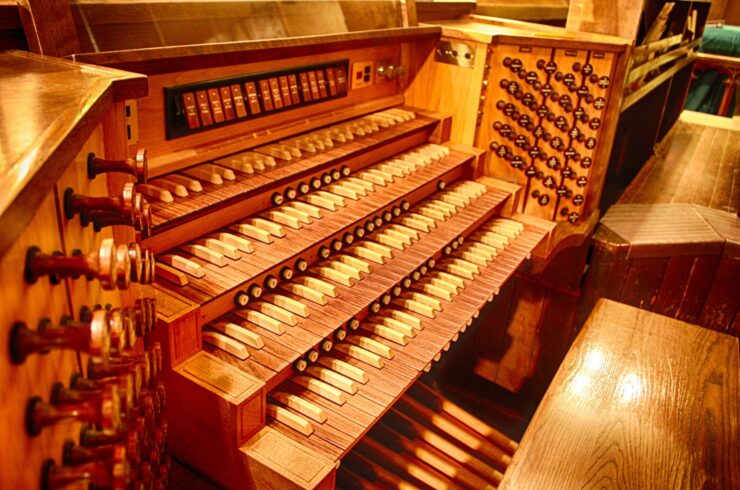
Whether you’re classically trained or just attempting to make a living from your instrument, attempting to get gigs as an organist can be tough. However, if you are an organist who is also an adept pianist, it should not be too difficult to get paid pianist gigs, as well as those playing the organ.
It is also recommended by many that organ players get special organ shoes. These shoes are similar to ballet shoes with solid heels and toes and allow the performer’s heel to not get caught between the pedals and avoid a ‘click’ if the heel comes into contact with a hard surface.
It is naturally expected that all organists are competent performers and are able to expertly read music. It is also advantageous if the organist is able to maintain the instrument.
Church work
This is the most obvious one. As an organist for a church, musicians will be required to work with a music director or choir to choose the hymns for the church services.
Often performing multiple times over a weekend, the job of an organist in a place of worship is usually a part time job, and will be asked to perform at weddings, funerals and other events at other points during the year. Some churches may ask you to play for free, but a professional organist should always be fairly compensated for their time and skill.
It is also possible that the musician will be asked to perform in other churches across the diocese.
Atheists: Don’t worry, most churches do not mind that you don’t sing from the same hymn book, just as long as you can perform the organ to a high standard.
Playing in bands and session work
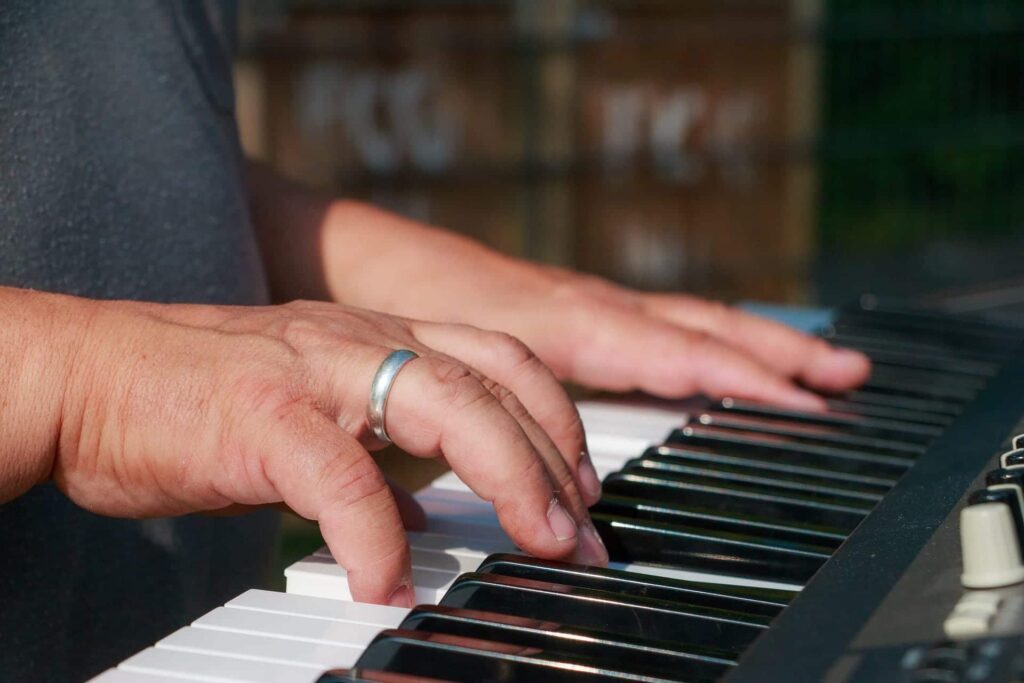
The skill of playing an organ can be utilised both in the studio and in live bands. Many rock bands may want to include an organist in their line up – after all, the hammond organ sounds amazing.
Whether full or part time and it’s possible that your skills as an organist are also transferrable for other instruments.
Organists should also offer themselves as a session musician as it not only pays well but also necessitates multi-instrumentalists with excellent reading skills.
Page turning
Whilst this is not strictly an organists job, it does require a musician who is able to read music to a high standard.
They say that a page turner is fulfilling their role when they are silent! According to NPR, the role also pays well…
Are you a gigging organist? Let us know where you play in the comments below!
Weddings, funerals and private events
Beyond regular church services, organists are in strong demand for weddings, funerals and memorial services. Many couples want a traditional church organ for their ceremony, and families often request a skilled organist for funeral services. If you are comfortable performing at these events, make sure you let local churches and funeral directors know you are available. You can also list yourself on entertainment directories where event organisers regularly search for an organist for hire for their upcoming ceremony.
Online platforms and directories
One of the most effective ways to get found by potential clients is to list your profile on a musician directory. Platforms like Last Minute Musicians make it easy for people looking to hire a church organist at short notice for weddings, funerals and other events. Having an online profile with audio or video samples, reviews and clear pricing helps you stand out and means clients can find and book you directly.
Networking and professional bodies
Joining a professional organisation such as the Royal College of Organists (RCO) in the UK or the American Guild of Organists (AGO) can open up opportunities through their job boards, local chapter events and networking. Many organist positions are advertised through these bodies before they appear elsewhere, and building relationships with fellow musicians and music directors is one of the most reliable ways to hear about vacancies. Attending organ festivals, masterclasses and recitals can also help you make useful contacts in the profession.
How much do organists earn?
Organist fees vary widely depending on the type of engagement, location and experience. For church services, the Incorporated Society of Musicians (ISM) publishes recommended fee scales each year in partnership with the Royal School of Church Music (RSCM) and the Guild of Church Musicians. Wedding and funeral fees are typically higher than regular Sunday services. Full-time salaried church organist positions do exist at larger churches and cathedrals, but many organists combine part-time church work with teaching, session work and private event bookings to build a sustainable income. For more on the topic of fair pay for musicians, see our article on musicians’ wages.
Please note: fees and salary figures can change over time. Always check the latest ISM recommended rates for current guidance.