Swing Bands for hire in Surrey

Browse 228 swing bands available in Surrey, from classic swing groups and jive acts to boogie woogie bands and vintage swing singers. Every act has audio, video and reviews from real clients, with an average rating of 5 out of 5 across 2007 reviews. Swing bands vary widely in size and style, from intimate duos and trios to full ensembles with brass sections and backing vocals. Many acts offer flexible line-ups to suit different venues and budgets. The average price for a swing band in Surrey is currently £981, though smaller acoustic configurations start lower and larger groups with horn sections will cost more.

Use the filters below to narrow your search by price range and availability for your date.

Rated Excellent (5/5) from 2007 reviews of Swing Bands
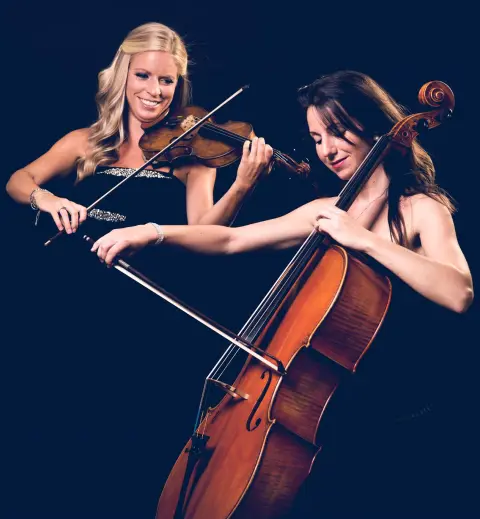
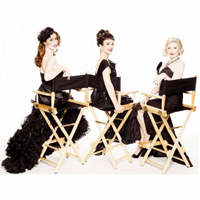
Glamorous festive band with an elite harmonising sound

4 reviews

Glasgow, Lanarkshire

Available in Surrey

Book from £666 - get a quote

Add to favourites
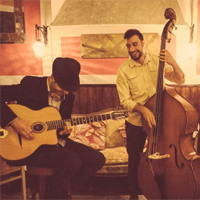
Klezmer and gypsy swing at its best!

5 reviews

Glasgow, Lanarkshire

Available in Surrey

Book from £1029 - get a quote

Add to favourites
Fun, entertaining and bizarre pipe band!

4 reviews

Lochwinnoch, Renfrewshire

Available in Surrey

Book from £786 - get a quote

Add to favourites
Showing 226-228 of 228 results
Rated Excellent
TrustPilot 5 Stars

Browse categories similar to Swing Bands

How much does it cost to hire Swing Bands available in Surrey?

£ Low Price
from
£150
££ Average Price
from
£981
£££ High Price
from
£7080
The average price for Swing Bands available in Surrey is £981. Above you will also find a budget price and high end price. Contact the act you like for an accurate quote.

Frequently asked questions


Booking swing bands in Surrey as early as possible increases the chance of securing their availability on your event date, particularly during busy times of the year. However, many acts also accept last minute bookings, and we have successfully arranged performances for clients with just a few hours' notice.

The cost of hiring musicians in Surrey can vary significantly depending on the type of act. The average price is currently £981. Budget-level acts may be available for as low as £150, while top-tier acts can command prices as high as £7080.

Sound limiters are now common at many UK wedding venues, particularly those in residential areas or with noise-sensitive neighbours. They work by cutting the power to amplified equipment if the volume exceeds a set threshold. Most professional bands can work within standard limiter settings without any real impact on the performance. If your venue's limiter is set at 95dB or above, the majority of bands will have no difficulty. Below 95dB it is worth flagging to the band in advance, as they may need to adjust their setup, for example by using an electronic drum kit instead of an acoustic one, or opting for a smaller line-up. Ask your venue for the exact decibel level and pass it on when you make your enquiry, so the band can confirm they can accommodate it.

As a general guide, a 3-piece band needs a performance area of roughly 3m x 3m. Add approximately 1m of width for each additional musician. A 5-piece band would therefore need around 3m x 5m as a minimum. Most bands will also need a small amount of additional space at the sides or rear for equipment cases during the performance. A raised stage is not essential but does help the band make a bigger visual impact, particularly in larger rooms. The performance area needs to be flat, dry and close to a power supply. If you are unsure whether your venue can accommodate a particular band, share the dimensions with them when enquiring and they will be able to advise. Venues with unusual layouts or low ceilings are worth flagging too.

Most professional bands provide a playlist through their PA system during intervals, so there is no gap in the music and no awkward silence while they take a break. This is usually included as standard and the band will typically put together a playlist that fits the mood of the evening. Some acts offer an upgraded DJ service where a member of the band or a dedicated DJ manages the music between sets, takes requests and keeps the energy going. This is usually available as a paid add-on. Check the act's profile or ask when enquiring if this is something you would like.

In most cases, no. The majority of professional bands provide music through their PA system during intervals and after their final set, so your guests will have continuous music throughout the evening without needing a separate DJ. This is usually included in the booking. If you want a more interactive DJ experience, with someone to take requests, mix tracks and keep the dancefloor going after the band finishes, many bands offer this as an optional upgrade, or you can book a DJ separately. It is worth deciding early how late you want music to continue, as a band's final set will typically finish by midnight or the venue curfew, and a DJ can be a cost-effective way of extending the night.

Professional bands take their commitments seriously and cancellations are rare, but illness, accidents or unforeseen circumstances can occasionally affect a booking. It is worth checking what provisions are in place when you book. Many acts and agencies have contingency arrangements, such as calling on dep musicians or arranging a suitable replacement act at short notice. When booking, make sure you receive a written contract that sets out the cancellation terms clearly, for both sides. If you are booking through an agency, ask specifically what happens in the event the act cannot perform. Keeping communication open with your band in the weeks before the event also helps flag any potential issues early.

A swing band plays the big band and jazz music of the 1930s and 1940s, built around a strong rhythm section and a horn line, with a sound designed to get people onto the dance floor. Line-ups range from a four or five-piece with a single saxophone or trumpet up to a ten-piece or larger with full brass and reed sections. Most include a vocalist. Swing is a genre rather than a period theme, so a swing band is booked for the music and the dancing rather than for a particular era look. The repertoire usually covers the standards associated with Glenn Miller, Count Basie, Frank Sinatra and Ella Fitzgerald, and many bands extend into later jazz, jive and rock and roll to keep a mixed audience moving. If you want the styling and costume of a particular decade as well, that is a slightly different booking.

The difference is mainly size, and to some extent formality. A big band is the full traditional line-up, typically twelve to eighteen musicians with separate saxophone, trumpet and trombone sections, producing the wall of sound associated with the great dance orchestras. A swing band is usually smaller, from four to ten musicians, with a reduced horn section covering the same material. For most weddings and parties a swing band is the practical choice: it costs less, fits a normal function room and still carries the style. A big band suits large ballrooms, galas and events where the orchestra is part of the spectacle, and it needs considerably more space and budget. If you specifically want the full orchestral line-up, look at the big band listings rather than booking the largest swing band you can find.

The core repertoire is the swing and jazz standards of the 1930s and 1940s, including material associated with Glenn Miller, Duke Ellington, Count Basie, Frank Sinatra, Dean Martin and Ella Fitzgerald. Expect songs such as In the Mood, Sing Sing Sing, Fly Me to the Moon and Mack the Knife, alongside the jump blues and jive numbers that fill a dance floor quickly. Most swing bands also carry later material, either played straight or reworked into a swing arrangement. Swing versions of modern pop songs are common and go down well with younger guests, and many bands can move into rock and roll or Motown as the evening goes on. If there is a particular era or artist you want the set weighted towards, say so when enquiring, as most bands will build the set list around your preference.

Yes, and this is one of the main reasons people book swing. Jive and lindy hop developed alongside swing music, and most swing bands play at tempos suited to partner dancing, with the jump blues and jive numbers that dancers expect. Bands used to dance events will vary the tempos across a set so the floor does not tire, and will often take requests from dancers on the night. If dancing is the point of the booking rather than a bonus, say so when enquiring. Some acts specialise in dance events and will work to a running order agreed with a dance organiser or caller. It is also worth asking about the floor: a sprung or wooden surface makes a real difference for jive, and a marquee floor or carpet will limit what dancers can do.

Electro swing combines vintage swing and jazz samples with modern electronic beats, producing something that sits between a live band and a DJ set. A live electro swing act typically pairs one or two musicians, often a saxophonist, trumpeter or vocalist, with a DJ or producer triggering the backing, and the result is far more club-oriented than a traditional swing band. It suits events where you want the vintage character without the formality, and it works particularly well for later evening slots, corporate parties and festival stages. Because the backing is electronic, an electro swing act needs less space and fewer musicians than a full swing band, and can usually run for longer. If you want authentic acoustic swing for dancing, a traditional line-up is the better choice, so be clear which you are after when enquiring.

No. Most guests at a wedding or party have never danced to swing before, and it makes no difference to how the night goes. Swing has a strong, obvious beat, and the familiar standards pull people onto the floor whether or not they know the steps. Bands used to general audiences pick their tempos accordingly rather than playing everything at dance club speed. If you want to give guests more of a way in, some swing bands offer a short dance lesson early in the evening, or can work alongside a jive teacher, which usually gets far more people up than leaving it to chance. Ask about this when enquiring, as not every act offers it. If experienced dancers are attending, mention that too, as the band can weight the set towards proper dance tempos.

Swing works well across a wedding day and is one of the more flexible genres for it. A smaller line-up or a jazz trio version of the band can play during the drinks reception and the wedding breakfast as background music, and the full band takes the evening for the first dance and dancing afterwards. Many acts offer both as a single booking. Swing is a particularly good fit where the guest list spans several generations, as the standards are widely recognised and the tempos suit older guests as well as younger ones. If you want a first dance from the swing repertoire, most bands will have it already. If you want something outside it, give them notice so they can arrange it in the style. Agree the running order early so the sets fit around speeches and the meal.

Many do, and most will dress to suit the event. The usual default is smart formal dress, dinner jackets or matching suits, which fits weddings and corporate events without committing to a theme. Plenty of bands will also perform in full 1940s styling if you want it, and some offer it as standard. If period styling is central to what you are planning rather than a nice extra, it is worth looking at the era-themed band listings as well, where costume and staging are part of the act rather than an option on top. A swing band is booked primarily for the music and the dancing, so tell the act what you have in mind for the look and they will confirm what they can do rather than assuming.

A standard booking is two sets of around 45 to 60 minutes within a two to three hour window, with recorded music through the band's PA between sets and after the final one. Some acts offer three shorter sets, which suits dance events where you want the floor busy across a longer evening rather than in two concentrated blocks. Larger line-ups sometimes work to tighter timings, as a ten-piece is more expensive to keep on site. If you want music across the afternoon as well as the evening, ask whether the band offers a smaller version of itself for the earlier part of the day, as this is usually far cheaper than extending the full line-up. Agree the finish time with your venue first, as the curfew normally decides it.

Swing bands commonly run from four pieces up to ten or more. A four or five-piece with rhythm section, one horn and a vocalist is the most popular size and works in most function rooms. Seven to eight pieces add a fuller horn section and noticeably more power. Ten or more moves towards big band territory and needs a large room. As a rough guide, a five-piece suits up to around 100 guests, seven to eight suits 100 to 200, and beyond that a larger line-up carries better. Room shape and ceiling height matter as much as headcount, so tell the act the venue rather than only the guest number. Most bands offer several sizes at different prices, so ask what a given act can scale to before assuming you need the largest one.

Most swing bands arrive fully self-contained with a PA suited to the room, microphones and stands, amplification, and recorded music to cover the intervals. Horn players generally need microphones rather than amplifiers, and the double bass and drums are usually the only items needing much space. Many bands also bring simple stage lighting, and some carry vintage-style band stands as part of the look. For larger rooms, guest numbers above around 250, or outdoor performances, a bigger PA may be recommended. The acoustic instruments in a swing line-up are more sensitive to the room than amplified pop instruments are, so tell the act the venue and the guest numbers early, and mention if the venue provides its own sound system, as some bands can work with it.

Yes, with the usual two provisos: a power supply and full cover over the performance area. Swing line-ups carry acoustic and vintage instruments, including brass, upright bass and often a piano or keyboard, and these are more vulnerable to damp than electric instruments, so shelter is not optional even in dry weather. Sound also behaves differently outside. Horns carry well in open air but the rhythm section does not, so the act may bring a larger PA than they would use indoors to keep the band balanced. Grass, gravel and uneven ground affect setup, particularly for a drum kit and double bass, so mention the surface when booking. If dancing is part of the plan, a proper floor matters outdoors more than anywhere, as jive on grass does not work.

Swing suits corporate events particularly well, as it carries a sense of occasion without dominating a room where people need to talk. Drinks receptions, awards dinners, Christmas parties and gala evenings all work, and a smaller line-up can play quietly through a meal before the full band takes the later part of the evening. For private parties, swing is a strong choice for milestone birthdays and anniversaries where guests span a wide age range, as the standards are familiar across generations. Themed events are common too, from 1940s parties to casino evenings, though for a fully themed night it is worth checking whether the act offers costume and staging or only the music. Tell the act about speeches and presentations so they can plan the sets around them.

Frequently asked questions about Swing Bands available in Surrey, how to register and how results are ordered are in the help & FAQs.

Hire Swing Bands in Surrey

A live swing band brings energy and sophistication to any event, blending jazz-influenced arrangements with a sound that is built to fill a dance floor. Whether you are planning a wedding, corporate event or private party in Surrey, a swing act can set the tone from background music during dinner through to a packed dance floor in the evening. The category covers a broad range of styles, from classic swing and rat pack to jive, boogie woogie and modern pop rearranged in a vintage swing style.

Swing bands for weddings near you

Swing is a versatile choice for wedding entertainment. A good swing group can handle the drinks reception, build energy for a first dance and keep guests dancing all evening. Repertoire typically spans jazz standards, Sinatra and Buble-era classics and swing-styled versions of modern hits. Most bands are happy to learn a specific song for your first dance or ceremony entrance. For couples who want vocal-led music in a more intimate format, a jazz singer can cover similar ground, while a full jazz band offers a wider instrumental palette if you are after more of a listening experience than a dance-driven set.

Line-ups and what to look for

Swing acts range from stripped-back duos and trios to full ensembles with brass, backing vocals and a rhythm section. Many bands offer tiered line-ups within the same booking, so you can start with a smaller acoustic set and expand for the evening. Check each act's audio and video samples carefully, as the term "swing band" covers a wide spectrum. Some play strictly traditional swing and jazz standards, while others lean towards pop covers in a vintage style. The repertoire list and reviews from previous clients on each profile will help you find the right fit for your event.

Pricing for swing bands in your area

Swing bands in Surrey currently range from £150 to £7080, with an average price of £981. Line-up size is the biggest factor in cost: a duo or trio will be significantly less than a seven or eight-piece band with a horn section. Travel distance, set length and PA requirements also affect the quote. You can compare prices across all 228 acts using the price comparison section on this page.

Hire live Swing Bands available in Surrey
View Favourites