Violin / Fiddle Players for hire in Edinburgh, Midlothian

Browse 61 of the best violinists and fiddle players for hire in Edinburgh. From classical violinists for wedding ceremonies to folk fiddlers and electric violinists for parties and ceilidhs, find the right musician for your occasion. Edinburgh has a deep pool of classically trained violinists and traditional Scottish fiddlers, many with conservatoire backgrounds or experience performing at the city's festivals and concert venues. Each listing includes audio and video samples, pricing and reviews from real clients. There are 552 reviews of violinists on the site, with an average rating of 5 out of 5. The average price for a violinist in Edinburgh is £424.

Rated Excellent (5/5) from 552 reviews of Violin / Fiddle Players
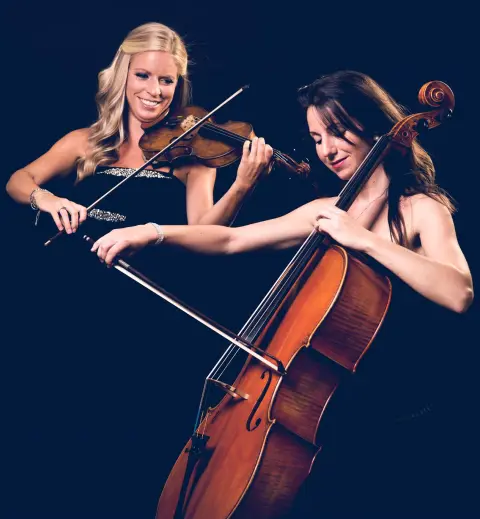
International, versatile violinist and electric violinist to suit any event type

14 reviews

Polegate, East Sussex

Available in Edinburgh (Midlothian)

Book from £370* - get a quote

Add to favourites
Showing 61-61 of 61 results
Rated Excellent
TrustPilot 5 Stars

Browse categories similar to Violin / Fiddle Players

How much does it cost to hire Violin / Fiddle Players available in Edinburgh, Midlothian?

£ Low Price
from
£100
££ Average Price
from
£424
£££ High Price
from
£2690
The average price for Violin / Fiddle Players available in Edinburgh, Midlothian is £424. Above you will also find a budget price and high end price. Contact the act you like for an accurate quote.

Frequently asked questions


Booking violin / fiddle players in Edinburgh, Midlothian as early as possible increases the chance of securing their availability on your event date, particularly during busy times of the year. However, many acts also accept last minute bookings, and we have successfully arranged performances for clients with just a few hours' notice.

The cost of hiring musicians in Edinburgh, Midlothian can vary significantly depending on the type of act. The average price is currently £424. Budget-level acts may be available for as low as £100, while top-tier acts can command prices as high as £2690.

Edinburgh venues in the Old Town and Royal Mile area can present access challenges, though a solo violinist travels much lighter than most musicians. Narrow staircases and cobbled streets are easier to navigate with a violin case than with heavier equipment, but if the violinist is bringing an electric violin setup with an amplifier and speaker, let them know about any access restrictions in advance. Parking in central Edinburgh is limited and can be expensive, particularly during the Edinburgh Festival Fringe in August when the city centre is significantly busier than usual. If you are planning an event during the Fringe period, book well in advance as demand for musicians increases. For outdoor events at Edinburgh venues, bear in mind that the weather can be unpredictable, especially at higher elevations or exposed locations, and cold conditions make it very difficult for a violinist to play well.

An acoustic violinist plays a traditional wooden violin without amplification. The sound is warm, intimate, and naturally suited to wedding ceremonies, formal dinners, and classical repertoire. In a quiet room, an acoustic violin carries well without any additional equipment, though for larger spaces some acoustic violinists use a small clip-on microphone. An electric violinist plays a solid-body instrument that must be amplified to be heard. The sound can be shaped and effects can be added, producing a more modern, high-energy performance. Electric violinists often perform with backing tracks to create a fuller sound, and they are particularly popular for drinks receptions, corporate events, and evening parties where a visually striking and energetic performance is wanted. Some violinists offer both options and can tailor their setup to your event.

An acoustic violinist typically arrives with just their violin, a bow, a music stand, and sometimes a small stool. For most indoor events at a reasonable size, no amplification is needed. If the venue is large or the event is outdoors, some acoustic violinists bring a clip-on microphone and a small portable speaker or DI box to feed into the venue's PA system. An electric violinist requires more equipment, including the violin itself, a cable or wireless transmitter, an amplifier or powered speaker, and any effects pedals they use. They will also typically bring a laptop or music player for backing tracks, and sometimes lighting effects. Setup time for an electric violinist is longer than for an acoustic, so allow at least 30 to 45 minutes before they are due to perform.

Violinists are very flexible with performance times and can usually tailor their playing to suit your event schedule. A wedding ceremony typically requires 20 to 45 minutes of music, covering guest arrival, the bridal entrance, signing of the register, and the exit. For a drinks reception or wedding breakfast, a violinist might play for one to two hours, often in sets with short breaks in between. Most violinists quote for a set number of hours and can extend their performance time for an additional fee if needed. When enquiring, let the violinist know the schedule for your event so they can advise on the best format. Some violinists also offer the option of playing for multiple parts of a wedding day, such as both the ceremony and the drinks reception, which can be more cost-effective than booking two separate performers.

A violinist can provide music for most parts of a wedding day. During the ceremony, they can play as guests arrive and take their seats, accompany the bridal entrance with a specific piece of your choice, provide music during the signing of the register, and play the recessional as you walk back down the aisle. This typically requires around 30 to 45 minutes of music in total. For the drinks reception, a violinist can play background music as guests mingle, either as an acoustic performer in a quieter setting or with backing tracks for a fuller sound. Some violinists also perform during the wedding breakfast. If you would like live music across multiple parts of the day, discuss this with the violinist when booking as they may offer a package price. An acoustic violinist can play in most ceremony venues, while an electric violinist may be better suited to the reception.

Many solo violinists perform with pre-recorded backing tracks to create a fuller, richer sound. Rather than playing unaccompanied, the violinist plays over a professionally arranged track that includes other instruments such as piano, strings, or a full orchestral accompaniment. This is especially common among electric violinists and those performing pop or film music, where the arrangement calls for more than a solo instrument. Some violinists offer the choice of performing with or without backing tracks depending on the setting. For a formal ceremony in a church or a quiet room, backing tracks may be unnecessary or inappropriate, while for a drinks reception or evening event they can significantly enhance the performance. When enquiring, ask whether the violinist uses backing tracks and whether they have a PA system to play them through, as not all venues have a suitable sound system available.

A violinist can play outdoors in suitable conditions, but there are some important considerations. Cold weather is the biggest challenge, as numb fingers make it very difficult to play accurately. Most violinists will be reluctant to perform outdoors if the temperature is below about 10 degrees Celsius, and even in milder weather they may need breaks to keep their hands warm. Exposure to direct sunlight can also be a concern, as high temperatures and UV light can damage the varnish on a traditional acoustic violin. Wind is another issue, both for the musician's comfort and because it can blow sheet music off a stand. If you are planning an outdoor ceremony or event, check with the violinist in advance and ensure there is a shaded or sheltered area for them to perform from. An electric violinist may be more versatile in some outdoor settings but will need access to a power source and protection from rain.

Most violinists are happy to learn new songs on request, provided they are given enough notice. Two to four weeks is usually sufficient for a well-known pop song or film theme, though a more complex classical piece may need longer. Some violinists include one or two special requests as part of their standard package, while others charge a small arrangement fee depending on the complexity of the piece. When making a request, it helps to share a recording or a link to the version you have in mind, so the violinist can match the key, tempo, and arrangement to your expectations. If you need a specific piece for a ceremony, such as a bridal entrance, mention this early in the booking process to give the violinist enough time to prepare. Song requests for proposals, first dances, or other significant moments are also common and most violinists are experienced in accommodating them.

A solo violinist needs very little space, which is one of the advantages of booking a violinist over a larger ensemble. An acoustic violinist playing from a music stand needs roughly 1.5 metres by 1.5 metres. An electric violinist with an amplifier and speaker may need slightly more, around 2 metres by 2 metres, to accommodate their equipment. Unlike a band or a string quartet, a solo violinist does not need a stage and can perform from a corner of a room, at the end of an aisle, or even while moving among guests. If you are planning a ceremony in a venue with a fixed layout, let the violinist know where they will be positioned so they can plan accordingly. For outdoor events, they will also need a flat, stable surface to stand on and shelter from direct sun or wind if possible.

Yes, this is one of the unique advantages of hiring a violinist. Unlike pianists, harpists, or string quartets, a violinist can move freely around a room while playing, performing directly to guests as they mingle during a drinks reception or between courses at a dinner. This strolling or roaming style is particularly popular at wedding drinks receptions and corporate networking events, where it creates a memorable and engaging atmosphere. Not all violinists offer this as standard, so if it is important to you, mention it when enquiring. An acoustic violinist can stroll freely as they have no cables or fixed equipment. An electric violinist can also move around if they use a wireless transmitter, though they will still need to remain within range of their amplifier and speaker. If you would like the violinist to stroll, it is worth checking the size and layout of the room with them in advance.

A solo violinist and a string quartet offer quite different experiences. A string quartet (typically two violins, a viola, and a cello) produces a rich, full ensemble sound with harmonic depth, and is the traditional choice for formal wedding ceremonies and classical music. A solo violinist produces a lighter, more agile sound and is more versatile in terms of styles, able to move between classical, pop, and contemporary genres with greater ease. In practical terms, a solo violinist is also more affordable, requires less space, and is easier to accommodate at venues with limited access or strict noise restrictions. A string quartet needs more space, more rehearsal coordination, and is generally better suited to larger or more formal events. If you are unsure which to choose, consider the size of the venue, your musical preferences, and your budget. Many venues that host weddings and events regularly have experience of both, and your venue coordinator may be able to advise.

Violinists are a popular choice for a wide range of events. Wedding ceremonies are the most common booking, where a violinist can provide music for the guest arrival, bridal entrance, signing of the register, and exit. Drinks receptions, wedding breakfasts, and evening parties also work well, particularly when a violinist performs with backing tracks for a fuller sound. Beyond weddings, violinists are frequently booked for corporate events, awards dinners, product launches, and private parties. An electric violinist in particular can add a striking visual and musical element to a corporate reception or gala dinner. Violinists are also popular for restaurant events, anniversary celebrations, and surprise proposals. If you are planning an unusual or non-standard event, it is worth describing the format to the violinist when enquiring, as most are experienced in adapting their performance to different settings.

Frequently asked questions about Violin / Fiddle Players available in Edinburgh, Midlothian, how to register and how results are ordered are in the help & FAQs.

Hire a Violinist in Edinburgh

Edinburgh is home to a strong community of professional violinists and fiddle players, drawn by the city's conservatoire, its thriving festival scene and a busy calendar of weddings and private events at the city's historic venues. With 61 violinists and fiddle players available in the Edinburgh area, there is a wide choice across classical, folk, pop and electric styles.

Classical and contemporary violin at Edinburgh weddings

A violinist is a natural choice for weddings at Edinburgh's many historic venues, from Old Town churches and Georgian townhouses to country house hotels on the city's outskirts. The instrument carries well in stone-walled rooms and vaulted ceilings without amplification, making it ideal for ceremonies. Most violinists cover the processional, signing of the register and recessional, and many continue into the drinks reception with a lighter repertoire of jazz, pop and film music. For a fuller string sound, pairing a violinist with a cellist or booking a string quartet in Edinburgh works well in larger ceremony spaces.

Scottish fiddle and ceilidh music

Edinburgh's musical heritage makes it one of the best places in the UK to find a traditional Scottish fiddle player. A fiddler can provide lively reels and jigs for a ceilidh, background music with a distinctly Scottish flavour for a Burns Night supper, or a mix of traditional and contemporary material for a drinks reception. For a full ceilidh experience, a fiddler pairs naturally with a ceilidh band in Edinburgh.

Electric violin for evening events

An electric violinist performing over backing tracks brings a high-energy visual and musical element to evening receptions, corporate events and parties. The format works well at Edinburgh's hotel function rooms and larger event spaces, creating a dance floor atmosphere without the footprint of a full band. Several Edinburgh-based violinists offer both acoustic and electric sets within a single booking.

Edinburgh violinist pricing

Violinists in Edinburgh are currently priced between £100 and £2690, with an average of £424. A typical wedding booking covers two to three hours across the ceremony and drinks reception. Electric violin sets for evening events are usually one to two hours. Travel costs for Edinburgh city-centre venues are generally low for locally based acts, but may increase for venues further out.

Hire a violinist in Edinburgh
View Favourites