Wedding Musicians for hire

Browse 1325 wedding musicians for hire across the UK. From string quartets and harpists to pianists, guitarists and classical soloists, find the right musician for your wedding ceremony, drinks reception or wedding breakfast. Read more

Rated Excellent (5/5) from 15871 reviews of Wedding Musicians
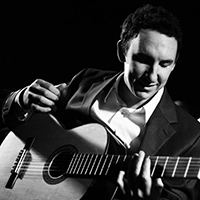
Experienced and Adaptable Classical Guitarist

8 reviews

Pickering, North Yorkshire

Book from £350* - get a quote

Add to favourites
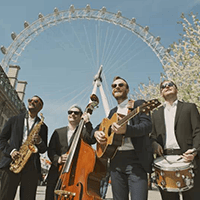
Long-standing & professional act performing the best of 80s, 90s & Party Hits

3 reviews

Redditch, Worcestershire

Book from £1015* - get a quote

Add to favourites
A singer, guitarist and tambourinist performing pop, blues and rock and roll

0 reviews

Worcester, Worcestershire

Book from £290* - get a quote

Add to favourites
High-quality Midlands band available to play at weddings and corporate events!

18 reviews

Worcester, Worcestershire

Book from £600* - get a quote

Add to favourites
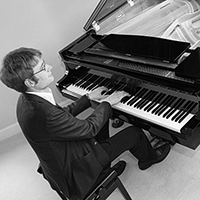
Pianists for weddings, parties, birthdays!

11 reviews

Worcester, Worcestershire

Book from £350* - get a quote

Add to favourites
Popular songs performed in a chilled and stylish way!

10 reviews

Leicester, Leicestershire

Book from £620* - get a quote

Add to favourites
A setlist that comprises cover songs from the 1970’s to the present day!

8 reviews

Leicester, Leicestershire

Book from £150* - get a quote

Add to favourites
Singer and pianist covering classic and modern hits from across pop history.

33 reviews

Barton Upon Humber, North Lincolnshire

Book from £150* - get a quote

Add to favourites
Acoustic Singer/Guitarist Perfect for Weddings, Functions and Parties

15 reviews

North Ferriby, East Yorkshire

Book from £490* - get a quote

Add to favourites
Solo Violin for Wedding Ceremonies & Receptions

26 reviews

Peterlee, County Durham

Book from £195* - get a quote

Add to favourites
Professional Experienced Vintage Singer For All Events!

25 reviews

Studley, Warwickshire

Book from £90* - get a quote

Add to favourites
A Perfect Choice For Your Event

3 reviews

Seaham, County Durham

Book from £325* - get a quote

Add to favourites
Singer and acoustic guitarist who creates full band sounds through live looping

5 reviews

Lincoln, Lincolnshire

Book from £175* - get a quote

Add to favourites
Professional Wedding & Events Singer - Hits From 60s To Now. Solo, Duo or Band!

5 reviews

Builth Wells, Powys

Book from £250* - get a quote

Add to favourites
Live Performer

22 reviews

Worcester, Worcestershire

Book from £250* - get a quote

Add to favourites
Showing 331-345 of 1325 results
Rated Excellent
TrustPilot 5 Stars

Browse categories similar to Wedding Musicians

How much does it cost to hire Wedding Musicians?

£ Low Price
from
£50
££ Average Price
from
£455
£££ High Price
from
£3304
The average price for Wedding Musicians is £455. Above you will also find a budget price and high end price. Contact the act you like for an accurate quote.

Frequently asked questions


Booking wedding musicians as early as possible increases the chance of securing their availability on your event date, particularly during busy times of the year. However, many acts also accept last minute bookings, and we have successfully arranged performances for clients with just a few hours' notice.

The cost of hiring musicians can vary significantly depending on the type of act. The average price is currently £455. Budget-level acts may be available for as low as £50, while top-tier acts can command prices as high as £3304.

Performance times vary depending on the type of musician you book. Solo ceremony musicians such as harpists, pianists and classical guitarists typically perform for 30 minutes to one hour, covering guest arrival and the ceremony itself. Drinks reception musicians usually play for one to two hours of background music. For evening entertainment, bands and party musicians typically perform two sets of 45 minutes within a two to three hour window, with background music playing through their PA system during breaks. Some acts offer all-day packages covering the ceremony, drinks reception and evening, which can be more cost-effective than booking separate musicians for each part of the day. Discuss your preferred timings with any act you are considering so they can advise on the best arrangement.

Different parts of the wedding day suit different types of live music. For the ceremony, acoustic soloists work well because they can play softly during emotional moments and adapt their volume to the space. Popular choices include harpists, classical guitarists, pianists, violinists and singers. During the drinks reception and wedding breakfast, background music sets the right atmosphere without overpowering conversation. Jazz trios, acoustic duos, solo pianists and string quartets are all popular for this. Some couples also book roaming musicians such as acoustic guitarists or saxophonists who can move between groups of guests. For the evening party, most couples choose a band or DJ to fill the dance floor. Many acts offer packages that combine a quieter acoustic set for the daytime with a full band performance in the evening, which can simplify planning and reduce costs.

Many wedding musicians can perform outdoors, but it depends on the instrument and conditions. Acoustic instruments such as harps, violins and cellos are sensitive to direct sunlight, wind and moisture, so string players will usually need a shaded, sheltered spot such as a gazebo or marquee. Pianos generally cannot be moved outdoors unless the venue has one in a suitable location, though electric keyboards are portable. Singers, guitarists and saxophonists tend to be more flexible about outdoor performance, particularly if they use amplification. Wind can affect sheet music and music stands, so many outdoor performers prefer to use tablets or memorised repertoire. If you are planning any outdoor element, let the musician know at the enquiry stage. They can advise on what is feasible and what backup plan to have in place. Most experienced wedding musicians will expect a covered fallback option in case of rain.

Most wedding musicians bring everything they need to perform. Solo acoustic instrumentalists such as harpists, violinists and classical guitarists are entirely self-contained and only need a chair and enough space to set up. Singers, saxophonists and electric instrumentalists typically bring their own small PA system suitable for most wedding venues. Bands bring their own instruments, amplifiers and a PA system, and usually provide background music through their speakers during breaks. If your venue is particularly large or you have more than 200 guests, it is worth discussing whether the act's standard setup will be sufficient or whether additional PA hire is needed. Always check your venue's power supply arrangements. Most musicians need at least one or two standard 13-amp plug sockets near their performance area. If your venue has a sound limiter, mention this to any act you are considering, as it may affect which musicians are suitable.

Most wedding musicians are happy to take song requests, and many will learn a specific song for your first dance or ceremony entrance if it is not already in their repertoire. Some musicians include one or two song learning requests in their fee, while others may charge a small additional fee to cover rehearsal time, particularly for complex arrangements. Check the act's repertoire list on their profile before making an enquiry. If there are songs that are important to you, mention them early in the conversation so the musician can confirm whether they can accommodate them. For ceremony music, it is worth finalising your song choices at least four to six weeks before the wedding to give the musician time to prepare.

Before confirming a booking, check the following with your venue. First, ask whether there are any noise restrictions or a sound limiter fitted. Sound limiters cut the power if volume exceeds a set threshold, which can affect bands and amplified acts. If your venue has one, let the musician know so they can advise whether their setup is compatible. Second, confirm where the musicians can set up and how much space is available. A solo pianist needs relatively little room, but a four or five piece band typically requires a performance area of at least 4m x 3m. Third, check the power supply near the performance area. Most acts need standard plug sockets and cannot rely on extension leads running across walkways. Finally, ask about load-in access and parking. Musicians often arrive with heavy equipment and need to park reasonably close to the venue entrance during setup, even if the car is moved afterwards.

Many musicians and bands offer all-day wedding packages that cover multiple parts of the day, and these are usually more cost-effective than booking separate acts. A common arrangement is for a band to provide an acoustic duo or solo performer for the ceremony and drinks reception, then switch to their full lineup for the evening party. Similarly, some solo musicians offer extended packages covering the ceremony, drinks reception and wedding breakfast in a single booking. Because the musician is already on site, you avoid paying separate travel costs and setup time for multiple acts. If an all-day package is not listed on an act's profile, it is always worth asking. Many musicians are flexible and can put together a tailored package for your day. Compare the total cost of an all-day booking against the combined cost of separate musicians to see which approach works best for your budget.

A live band brings energy, stage presence and a visual spectacle that recorded music cannot replicate. Bands interact with the crowd, adapt their performance in real time and create memorable moments. However, they typically cost more, need more space and may have a more limited song selection than a DJ. A DJ offers a vast library of songs, can take requests on the spot and keeps music flowing continuously without breaks. DJs are generally more affordable and need less space, making them a practical choice for smaller venues or tighter budgets. Some couples book both, with the band performing live sets and the DJ filling in during breaks and taking over later in the evening. Another option is a musician and DJ combination act, where a live saxophonist, percussionist or singer performs alongside a DJ set.

Frequently asked questions about Wedding Musicians, how to register and how results are ordered are in the help & FAQs.

Hire a Wedding Musician in the UK

Live music adds something to a wedding that no playlist or DJ can replicate. The right musician creates moments that guests remember: a harpist as guests arrive, a string quartet playing during the ceremony, a pianist setting the mood during the wedding breakfast. This category brings together solo musicians for hire and small ensembles who specialise in wedding performances across the UK.

What types of wedding musician are available?

The range is broad. Harpists are one of the most popular choices for wedding ceremonies and drinks receptions, combining a beautiful sound with a striking visual presence. String quartets and other classical ensembles bring a full, rich sound that works well in both large venues and intimate settings. Solo pianists are versatile performers who can play classical repertoire, jazz standards or contemporary songs depending on the brief. Guitarists, both acoustic and classical, offer a warm, understated sound that works well for smaller ceremonies and outdoor weddings. Violinists and other solo string players are elegant and flexible, performing everything from classical pieces to pop songs arranged for strings. Saxophonists and other woodwind players bring a smooth, contemporary sound to receptions and dinners.

Matching the musician to the moment

Different parts of the wedding day suit different types of musician. The ceremony calls for something elegant and meaningful: a harpist, string quartet or classical soloist playing as guests arrive, during the processional, the signing of the register and the recessional. The drinks reception is an opportunity for something a little more relaxed and sociable: a jazz trio, a strolling musician or a guitarist playing background music while guests mingle. The wedding breakfast benefits from understated background music that creates atmosphere without interrupting conversation. The evening reception is where a wedding band or DJ typically takes over, though a singer or acoustic act can also provide early evening entertainment before a DJ set.

Church weddings vs civil ceremonies

If you are getting married in a church, it is worth checking with your vicar or minister about what instruments and music are permitted. Some churches restrict amplified music or have preferences around repertoire. For civil ceremonies at licensed venues, you generally have more flexibility. If the ceremony is outdoors, check whether the musician is comfortable performing outside and whether amplification is available if needed.

Practical things to check

Before booking, confirm how long the musician will perform for and whether they cover multiple parts of the day. Ask whether they provide their own amplification or whether the venue needs to supply it. Check the repertoire and discuss any specific songs you want for key moments such as the processional, the signing of the register or the recessional. If you have a specific song in mind that is not in the musician's standard repertoire, ask whether they can learn it in advance.

Pricing

The average price for a wedding musician is currently £455, with prices ranging from £50 to £3304. Prices vary significantly depending on the type of musician, the number of performers, the length of the performance and travel distance. Solo musicians sit towards the lower end, while ensembles such as string quartets command higher fees. Every listing shows a starting price, and the price comparison section further up this page gives a full breakdown by instrument and ensemble type.

Hire live Wedding Musicians in the UK
View Favourites