Blues Bands for Hire

Hire a blues band and bring the sound of rhythm and blues to a wedding, party or corporate event. Browse 74 blues acts for hire across the UK, from a solo blues guitarist or acoustic duo to a full electric band with a horn section. Every act carries audio and video samples, recommended prices and 541 reviews rated 5 out of 5 by real clients. Prices range from £150 to £2620, with an average of £812, and you can filter by location, price and availability using the tools below.

Blues covers a wide span, from smoky, slow-burning electric blues to upbeat jump blues and blues-rock with real drive. Whether you want background music for a drinks reception or a headline set for the evening, there is a blues act to match. Listen to a few demos before booking, as the style varies from one band to the next.

Rated Excellent (5/5) from 541 reviews of Blues Bands
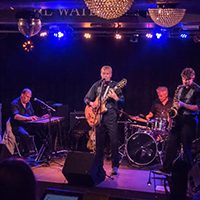
great live published duo

4 reviews

East London

Book from £200 - get a quote

Add to favourites
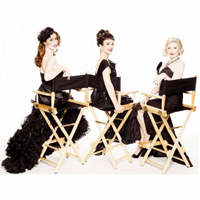
Gospel Choir with voices from heaven

9 reviews

East London

Book from £1079 - get a quote

Add to favourites
Internationally acclaimed Singer/Songwriter, Orchestral Composer, Performer...

2 reviews

South East London

Book from £1000 - get a quote

Add to favourites
Unique & Versatile Jazz vocalist

1 review

South East London

Book from £840 - get a quote

Add to favourites
Guitar and Vocal Duo - Classic mix of Vocal Jazz and Blues.

5 reviews

Bristol, Bristol

Book from £250 - get a quote

Add to favourites
Vintage 50's &60's covers from top Bristol session musicians.

15 reviews

Bristol, Bristol

Book from £150 - get a quote

Add to favourites
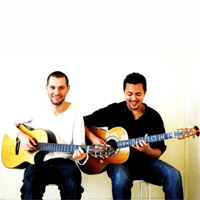
Brilliant London-based acoustic guitar duo

3 reviews

East London

Book from £558 - get a quote

Add to favourites
Vocal & piano duo specialising in jazz, pop, RnB, blues & soul

2 reviews

Bristol, Bristol

Book from £490 - get a quote

Add to favourites
Boot-stomping acoustic trio covering Country hits from 60s to present day

3 reviews

Bristol, Bristol

Book from £1000 - get a quote

Add to favourites
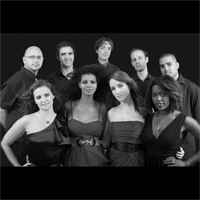
Energetic 3-8 piece Rhythm & Blues band performing hits across the decades

7 reviews

Northampton, Northamptonshire

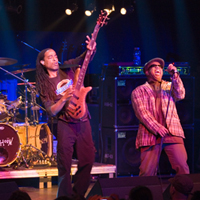
A spirit-lifting cocktail of reggae, blues and soul with a splash of funk!

16 reviews

Wells, Somerset

Book from £960 - get a quote

Add to favourites
Celebrating the greatest women of Country music!

8 reviews

Bedford, Bedfordshire

Book from £425 - get a quote

Add to favourites
Elegant Jazz, Blues & Soul, from the classics to reimagined modern favourites

7 reviews

Bedford, Bedfordshire

Book from £450 - get a quote

Add to favourites
Foot stompin’, thigh slappin’ bluegrass from the deep south (of England)!

3 reviews

Hove, East Sussex

Book from £1013 - get a quote

Add to favourites
Acoustic Duo with a Blues/Folk twist, covering songs from the 60's - present

1 review

Dartford, Kent

Book from £336 - get a quote

Add to favourites
Showing 31-45 of 74 results
Rated Excellent
TrustPilot 5 Stars

Browse categories similar to Blues Bands

How much does it cost to hire Blues Bands?

£ Low Price
from
£150
££ Average Price
from
£812
£££ High Price
from
£2620
The average price for Blues Bands is £812. Above you will also find a budget price and high end price. Contact the act you like for an accurate quote.

Frequently asked questions


Sound limiters are now common at many UK wedding venues, particularly those in residential areas or with noise-sensitive neighbours. They work by cutting the power to amplified equipment if the volume exceeds a set threshold. Most professional bands can work within standard limiter settings without any real impact on the performance. If your venue's limiter is set at 95dB or above, the majority of bands will have no difficulty. Below 95dB it is worth flagging to the band in advance, as they may need to adjust their setup, for example by using an electronic drum kit instead of an acoustic one, or opting for a smaller line-up. Ask your venue for the exact decibel level and pass it on when you make your enquiry, so the band can confirm they can accommodate it.

As a general guide, a 3-piece band needs a performance area of roughly 3m x 3m. Add approximately 1m of width for each additional musician. A 5-piece band would therefore need around 3m x 5m as a minimum. Most bands will also need a small amount of additional space at the sides or rear for equipment cases during the performance. A raised stage is not essential but does help the band make a bigger visual impact, particularly in larger rooms. The performance area needs to be flat, dry and close to a power supply. If you are unsure whether your venue can accommodate a particular band, share the dimensions with them when enquiring and they will be able to advise. Venues with unusual layouts or low ceilings are worth flagging too.

Most professional bands provide a playlist through their PA system during intervals, so there is no gap in the music and no awkward silence while they take a break. This is usually included as standard and the band will typically put together a playlist that fits the mood of the evening. Some acts offer an upgraded DJ service where a member of the band or a dedicated DJ manages the music between sets, takes requests and keeps the energy going. This is usually available as a paid add-on. Check the act's profile or ask when enquiring if this is something you would like.

In most cases, no. The majority of professional bands provide music through their PA system during intervals and after their final set, so your guests will have continuous music throughout the evening without needing a separate DJ. This is usually included in the booking. If you want a more interactive DJ experience, with someone to take requests, mix tracks and keep the dancefloor going after the band finishes, many bands offer this as an optional upgrade, or you can book a DJ separately. It is worth deciding early how late you want music to continue, as a band's final set will typically finish by midnight or the venue curfew, and a DJ can be a cost-effective way of extending the night.

Professional bands take their commitments seriously and cancellations are rare, but illness, accidents or unforeseen circumstances can occasionally affect a booking. It is worth checking what provisions are in place when you book. Many acts and agencies have contingency arrangements, such as calling on dep musicians or arranging a suitable replacement act at short notice. When booking, make sure you receive a written contract that sets out the cancellation terms clearly, for both sides. If you are booking through an agency, ask specifically what happens in the event the act cannot perform. Keeping communication open with your band in the weeks before the event also helps flag any potential issues early.

Booking blues bands as early as possible increases the chance of securing their availability on your event date, particularly during busy times of the year. However, many acts also accept last minute bookings, and we have successfully arranged performances for clients with just a few hours' notice.

The cost of hiring musicians can vary significantly depending on the type of act. The average price is currently £812. Budget-level acts may be available for as low as £150, while top-tier acts can command prices as high as £2620.

A typical set moves through the recognisable end of the blues catalogue and out into the styles that grew from it. Expect standards from B.B. King, Muddy Waters, Howlin' Wolf and John Lee Hooker alongside blues rock from Clapton, Peter Green and the Stones, and often soul and Motown later in the evening. Most bands here pitch the set to the room rather than playing a fixed programme. Earlier in an event they will keep it lower key and easier to talk over, then build through the evening. If you have a particular era or feel in mind, say so when you enquire, because the range across this category is unusually wide.

Mostly the electric, band based end rather than the acoustic Delta tradition. Only a handful of the acts listed here describe themselves as playing Chicago, Delta or Mississippi styles specifically. The common ground is British blues and blues rock, the sound that came out of the 1960s and still fills most UK function bookings. That matters when you are choosing. If you want authentic country blues, a single performer with a resonator guitar, say so directly, because it is a specialism here rather than the default. If you want a band that plays blues alongside soul, rock and R and B, that is what most of this category does and it usually suits an event better.

The line is blurred and most players cross it. Around three fifths of the acts here mention jazz in their profiles, so many of the same musicians work in both. The practical difference is emphasis: blues is song based, built on a repeating structure with vocals and guitar to the front, while jazz leans on instrumental interplay and improvisation and is often instrumental throughout. For an event, blues is generally the more direct choice if you want people to recognise what they are hearing and eventually dance, and jazz the better one for atmosphere during a reception or a meal. If it is the jazz side you want, the Jazz Bands category is larger and a better place to start.

Yes, and most do. Around half the acts here mention soul or Motown and around a third mention rock, so a set that starts in the blues and moves through Stax, Motown and blues rock is the normal shape rather than a special request. This is worth knowing if you are concerned a blues band is too narrow for a mixed crowd. In practice most of these bands function as a covers band with a blues centre of gravity, which tends to work better across a wide age range than either a pure blues set or a straight pop covers set. Ask for the balance you want when you enquire.

Yes, though it usually takes longer than with a pop covers band and it happens later in the evening. Blues is groove based music and a good band will build the tempo as the night goes on, moving from slower shuffles into up tempo blues, soul and rock and roll once people are ready. If a full dance floor from the first song is what you need, say so at the enquiry stage, because a band can weight the set that way. It is also fair to say that a blues band suits an audience that wants to listen as well as dance, which is part of why it works well where there is a wide age range or where people are seated at tables for part of the evening.

Yes, and around half the acts here mention weddings. Blues works particularly well at a wedding because it spans generations without belonging to any one of them, so it avoids the problem of a set aimed either at the couple's age group or at their parents. The usual shape is something relaxed during the drinks reception or the meal, then a fuller set in the evening that moves into soul, Motown and blues rock for dancing. Agree first dance arrangements early, since a blues arrangement of a song that is not originally blues takes preparation. Many bands here can also provide a smaller acoustic line up for the daytime.

Three to six is the usual range. A trio is guitar, bass and drums, which is the classic blues format and is louder and fuller than the number suggests. A four or five piece adds a dedicated singer or keyboards, and a six piece often adds brass, which is where the soul side of the repertoire opens up. Size affects the repertoire more than most people expect. Horns make Stax and Motown material work properly, while a trio leans harder into blues rock. Describe your room, your guest numbers and the feel you want, and let the band recommend a line up rather than choosing on numbers alone.

Yes. Around a fifth of the acts here mention acoustic work, and a duo or trio is a common way to cover a daytime reception, a smaller room or a venue with a noise limit. An acoustic blues duo of guitar and voice suits a drinks reception well, being warm and easy to talk over. Many bands offer both, so one booking can cover an acoustic set earlier and a full band later, which is usually cheaper than booking two acts. Ask what line ups each act offers and what the price difference is, since it varies considerably and a smaller line up is not always proportionally cheaper.

Yes, and it is one of the most common settings. Around a third of the acts here mention pubs, bars and clubs, so most are used to working in small rooms with limited stage space and no house sound system. The things to check are power, access and volume. A blues trio in a small pub room can be very loud, so agree the setup in advance if noise is a concern for you or the neighbours, and ask whether the band can bring a reduced backline. Tell them the size of the performance area when you enquire, since a corner of a pub is a different proposition from a stage and it changes what they bring.

Yes, and most bands welcome it. Blues has a widely shared standard repertoire, so a request for a well known song by B.B. King, Muddy Waters, Clapton or Fleetwood Mac is likely to be something the band already plays or can add without much preparation. Send requests well ahead of the date rather than on the night. Something outside the band's usual repertoire, or a specific arrangement for a particular moment, needs rehearsal time, and it is reasonable for a band to decline a late request. It is also worth saying which songs you would rather they did not play, which people forget to do and which often matters more.

Sometimes, but do not assume it. Only a small number of the acts listed here mention harmonica, and fewer mention slide or resonator guitar, so if either is important to the sound you want you should ask specifically rather than expecting it as standard. Both are more common in the traditional end of the repertoire than in the blues rock most function bands play. If you want a harmonica led sound in particular, say so at the enquiry stage and be prepared for the choice to be narrower. Some bands can also bring in a harmonica player as an addition, which is worth asking about.

The standard is two sets of 45 minutes or three of 30 across an evening, within a period of around three hours. Longer or additional sets are usually possible and are priced on how long the band is on site rather than only the time spent playing. Allow setup time either side. A band with a full backline needs an hour or so to load in and sound check, and a similar period afterwards. If you want music across a longer day, for example an acoustic set during a reception and a full band in the evening, agree that at the enquiry stage rather than extending it on the night.

Yes, and around a quarter of the acts here mention festivals, so most are used to outdoor stages. The requirements are the same as for any amplified band: a covered performance area, a flat solid surface and a reliable power supply. Confirm the power arrangement early, since an undersized or unstable generator causes more outdoor problems than the weather does. Rain and electrical equipment do not mix, so a cover is not optional even in summer. For a garden party rather than a festival, consider the neighbours when you book, because a blues band with a full backline carries further outdoors than people expect.

In most cases yes. Bands at this level normally carry their own PA and lighting suitable for a typical function room or pub, and the quoted price usually includes it. What to confirm is whether the system suits your specific room, since a rig sized for a pub is not the same as one for 200 people in a marquee. For festivals and larger events there is often a house or hired PA with an engineer, in which case the band brings backline and instruments only. Ask what is included, what the band needs from the venue in terms of power and access, and whether an engineer is part of the price or a separate cost.

Frequently asked questions about Blues Bands, how to register and how results are ordered are in the help & FAQs.

Hire Blues Bands in the UK

A live blues band brings warmth, groove and real musicianship to weddings, parties and corporate events across the country. The acts listed above play everything from traditional twelve-bar and Chicago electric blues to slow soulful ballads and driving blues-rock. Blues shares deep roots with several neighbouring styles, so it is worth comparing your options with a soul band or a jazz band, as many acts move comfortably between all three.

Electric blues, acoustic blues and everything between

The word blues means very different things to different people. Some clients want the raw electric sound of a guitar pushed to its limit, while others prefer the gentle ragtime and country blues of a solo player and an acoustic guitar. Plenty of bands sit in between, folding slide guitar, harmonica and a tight rhythm section into a set that moves from slow burners to upbeat shuffles. Because the range is so broad, watch each act's videos and listen to their demos before you book, so you know they play the style you have in mind. Softer, stripped-back acts overlap with acoustic bands, while the louder end sits close to rock bands.

Blues bands for weddings, parties and corporate events

A blues act suits far more than a themed night. A duo can play relaxed background music through a drinks reception or wedding breakfast, then a fuller line-up can take over for a lively evening set. Blues works especially well at vintage and speakeasy-themed events, and many acts are happy to dress the part if you ask in advance. If your day calls for a broader crowd-pleasing set, a party band may also be worth a look alongside the blues acts here.

How much does it cost to hire a blues band?

Blues acts come in many shapes and sizes, and the price follows the line-up. A solo performer or duo sits at the lower end, while a full band with a horn section costs more, and travel to your venue can affect the final figure. Most blues bands above fall between £150 and £2620, and the average booking works out at £812. For an accurate comparison, use the price comparison section on this page to see live quotes for your date and location.

Hire live Blues Bands
View Favourites