Classical Ensembles for Hire

Browse 147 classical ensembles, duos and trios available for hire across the UK, with 1756 reviews rated 5 out of 5. From string quartets and piano trios to flute and harp duos, these groups cover everything from Bach and Handel to modern classical crossover and contemporary pop arrangements. Prices currently range from £175 to £4248, with an average of £593. Use the filters below to narrow your search by location, price and ensemble size.

Rated Excellent (5/5) from 1756 reviews of Classical Ensembles
6-piece string ensemble playing everything from String Quartets to Sambas!

3 reviews

Glasgow, Lanarkshire

Book from £300 - get a quote

Add to favourites
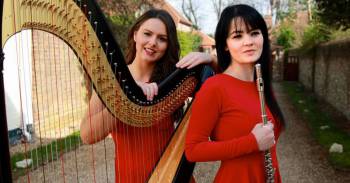
Great flute and harp duo

0 reviews

West London

Book from £546 - get a quote

Add to favourites
London professional musicians raising money for Macmillan

8 reviews

West London

Book from £629 - get a quote

Add to favourites
Versatile string quartet!

5 reviews

West London

Book from £1035 - get a quote

Add to favourites
The world-renowned electric string quartet!

2 reviews

West London

Flute, Violin and Piano trio playing Jazz, Folk, Pop and Classical music!

5 reviews

North London

Book from £847 - get a quote

Add to favourites
Professional London based violinist performing for weddings and luxury events

2 reviews

North West London

Book from £225 - get a quote

Add to favourites
String Solo/Duo/Trio/Quartet/Orchestra for events and sessions

2 reviews

Brentford, Middlesex

Book from £650 - get a quote

Add to favourites
A piano and violin duo playing easy listening, pop, love songs, jazz and more.

4 reviews

North London

Book from £480 - get a quote

Add to favourites
Top contemporary string ensemble

2 reviews

Twickenham, Middlesex

Book from £595 - get a quote

Add to favourites
All female flute ensemble

1 review

Twickenham, Middlesex

Book from £641 - get a quote

Add to favourites
Modern and vibrant classical music group

3 reviews

Twickenham, Middlesex

Book from £825 - get a quote

Add to favourites
Professional string quartet performing classical, jazz, and cinematic favourites

4 reviews

North West London

Book from £400 - get a quote

Add to favourites
Experienced Professional Cellist (Solo Cello / Cello & Piano / Cello & Cello)

1 review

North West London

Brilliant music interpretations & professional attitude (Solo/Duo/Trio/Quartet)

9 reviews

North London

Book from £496 - get a quote

Add to favourites

Showing 61-75 of 147 results
Rated Excellent
TrustPilot 5 Stars

Browse categories similar to Classical Ensembles

How much does it cost to hire Classical Ensembles?

£ Low Price
from
£175
££ Average Price
from
£593
£££ High Price
from
£4248
The average price for Classical Ensembles is £593. Above you will also find a budget price and high end price. Contact the act you like for an accurate quote.

Frequently asked questions


Booking classical ensembles as early as possible increases the chance of securing their availability on your event date, particularly during busy times of the year. However, many acts also accept last minute bookings, and we have successfully arranged performances for clients with just a few hours' notice.

The cost of hiring musicians can vary significantly depending on the type of act. The average price is currently £593. Budget-level acts may be available for as low as £175, while top-tier acts can command prices as high as £4248.

A classical ensemble is a small group of musicians, usually two to six players, performing together in a chamber music format. Common line-ups include the string quartet (two violins, viola and cello), the string trio, harp and flute duos, piano trios, brass quintets and wind ensembles. Although the name suggests classical repertoire, most ensembles available for hire today play a wide mix of music, from Baroque and Romantic period works to arrangements of pop songs, film themes and musical theatre. Classical groups are popular for weddings, drinks receptions, corporate dinners, milestone birthdays and any event where elegant live music is wanted without the volume of an amplified band.

Different ensembles tend to suit different moments. A string quartet or string trio is the traditional choice for the ceremony, with the four-part sound carrying well for processional, signing and recessional music. A harp and flute duo or solo harp gives a softer, more atmospheric feel and works beautifully during drinks receptions outdoors or in a marquee. A piano trio or wind quintet sits well behind dinner conversation, providing background music without dominating the room. Many ensembles offer flexible packages that cover ceremony, reception and dinner in one booking, which is usually more cost-effective than booking separate acts for each segment.

The repertoire is broader than many people expect. Classical groups can perform traditional pieces such as Pachelbel's Canon, the Bridal Chorus, Vivaldi's Four Seasons or Bach cello suites, as well as sacred music suitable for church ceremonies. Most also play arrangements of contemporary pop and rock songs by artists such as Coldplay, Ed Sheeran, Adele and Queen, alongside film and TV themes from Game of Thrones, Star Wars, Harry Potter and Bond. Musical theatre numbers, jazz standards and folk arrangements are common too. When enquiring, ask the act for their full song list, as repertoire and style varies considerably between groups.

Yes, ceremony music is one of the most common reasons couples book a classical ensemble. A typical ceremony booking covers prelude music as guests arrive (usually 15 to 20 minutes), the processional as the wedding party walks in, music during the signing of the register, and a recessional as you exit. Co-ordinating with the registrar, celebrant or vicar in advance is important, as some venues and religious settings have restrictions on which pieces are permitted. The ensemble will normally agree a running order with you and confirm timings, but a brief conversation between the act and the venue's wedding co-ordinator on the day usually irons out any last-minute changes.

Performance lengths vary depending on which part of the event you are booking. A standard reception or dinner booking is typically 2 x 45-minute sets within a 2-hour period, with a short break in between. Wedding ceremonies are usually 30 to 45 minutes of music in total, including arrivals and departures. A drinks reception booking is often a single continuous set of 60 to 90 minutes. Many ensembles offer combined packages that cover the ceremony, reception and start of dinner across a single afternoon, which is generally better value than booking each segment separately. Confirm exact set lengths and any overtime rates with the act when you enquire.

Most classical ensembles are happy to play outdoors, but a few practical considerations apply. Acoustic instruments such as violins, cellos and harps are sensitive to direct sunlight, sudden temperature changes, wind and humidity, all of which can affect tuning and the instruments themselves. Performers will normally need a shaded, level area with cover in case of rain, ideally a gazebo, marquee opening or covered terrace. Music stands need protection from wind, often with clips or pegs to hold sheet music in place. If you are planning a ceremony or drinks reception in a garden, discuss the setup with the act early so they can advise on positioning and contingency plans for poor weather.

In most settings, no. Classical ensembles are acoustic by design and project well in churches, registry offices, marquees and average-sized function rooms. For larger venues holding more than 200 to 300 guests, very loud reception spaces or outdoor events with significant background noise, light amplification can help. Some ensembles bring their own small PA system or discreet pickup microphones for these situations, while others can liaise with the venue's in-house sound provision. Electric string quartets are an exception and always require amplification, as their instruments produce no acoustic sound. Confirm any sound requirements with the act when discussing the venue.

Yes, requests are welcomed and are part of what makes a classical ensemble booking feel personal. Most groups have a core repertoire of several hundred pieces that you can choose from, covering classical, contemporary and special-occasion music. If you want a piece that is not on their standard list, many ensembles will source or commission an arrangement for an additional fee, particularly for first dance songs, processionals or pieces with special meaning. Allow plenty of lead time for custom arrangements, ideally 8 to 12 weeks before the event. There may be a limit on how many bespoke pieces are included in a booking, so check this when discussing your music selections.

A string quartet has four players: two violins, a viola and a cello. The four-part harmony gives the fullest sound and is the most traditional choice for weddings and formal events. A string trio drops one of the violins, leaving violin, viola and cello, which is slightly leaner but very flexible and a popular cost-effective alternative. A string duo is usually violin and cello, or two violins, and works well for smaller intimate ceremonies, drinks receptions or background music during dinner. The smaller the line-up, the lower the cost, but a quartet has more presence in larger rooms or when accompanying singing during a ceremony.

Yes, classical ensembles are a strong choice for corporate dinners, gala evenings, product launches, awards ceremonies, milestone birthdays and anniversary parties. They provide elegant background music that allows guests to talk freely, set a sophisticated tone for arrivals and drinks, and can build atmosphere during dinner without overpowering conversation. Many ensembles also play arrangements of well-known pop and film music alongside classical pieces, which broadens the appeal across mixed-age guest lists. For corporate brand events, some groups offer themed sets such as cinematic, jazz-influenced or contemporary pop arrangements to match the tone of the occasion.

Standard formal black is the default for most classical ensemble bookings: black tie or all-black smart attire that suits weddings, ceremonies and formal corporate events. If your event has a specific dress code or theme, most acts are happy to adjust. For example, a 1920s-themed party might be matched with period-appropriate dress, and a relaxed garden wedding might call for something less formal. Discuss any preferences when you book, especially if your wedding has a strict colour scheme or your venue requires a particular standard of dress.

Classical ensembles take up much less space than amplified bands. A string quartet needs roughly 2.5m x 2.5m (around 8ft x 8ft), with chairs, music stands and instrument cases. A string trio or duo needs slightly less. A harp adds extra footprint, as does a piano if the venue is providing one. Performers should be positioned on a level surface, ideally not directly behind a doorway or on a heavy thoroughfare. Many ensembles can fit comfortably in a corner of a ceremony room, the entrance hall during drinks, or on a small platform beside a dancefloor. Confirm the available space with the act when you book.

This is one of the strongest reasons couples and event planners choose classical ensembles for venues with strict noise rules. Because the music is acoustic and naturally contained in volume, classical groups rarely come close to triggering venue sound limiters or breaching residential noise restrictions. Country house venues, marquee weddings near neighbours, hotel ballrooms with decibel caps and historic buildings with conservation conditions all suit classical ensembles well. If your venue has a sound limiter set very low or unusual restrictions, mention it when enquiring so the act can confirm their setup is suitable.

Frequently asked questions about Classical Ensembles, how to register and how results are ordered are in the help & FAQs.

Hire Classical Ensembles in the UK

A classical ensemble can range from a duo to a sextet or larger, with the most popular configurations being string quartets, string trios, piano trios and flute and harp duos. If you only need a single performer, browse classical musicians available as soloists. Each combination produces a different sound and suits different settings. A string quartet fills a large church or banqueting hall with rich, layered sound, while a classical duo is better suited to more intimate spaces like a restaurant, courtyard or smaller ceremony room.

Classical groups for weddings and events

Classical ensembles are one of the most versatile options for live music at weddings. Most groups can perform at multiple points during the day, from the ceremony entrance and signing of the register through to the drinks reception and wedding breakfast. A single booking can cover several hours, making them excellent value compared to hiring separate acts for each part of the day. Chamber groups are equally at home at corporate functions, private dinners, garden parties and formal occasions. If you need a vocalist alongside your ensemble, browse classical singers who can perform operatic arias or crossover repertoire with instrumental accompaniment.

Repertoire and song choices

Most classical ensembles offer a broad repertoire that goes well beyond the traditional concert hall. Alongside works by Bach, Mozart, Handel and Vivaldi, many groups now perform contemporary arrangements of pop, rock and film music. If you have a specific piece in mind for a key moment, most musicians are happy to learn new arrangements given reasonable notice. Listen to the audio samples on each listing to get a feel for a group's range and style before making an enquiry.

Practical considerations

One advantage of booking a classical ensemble is that most acoustic groups do not need amplification or a PA system, so they can perform in venues with limited power supply or where noise restrictions apply. They also need relatively little space to set up compared to a full band. If your venue has a sound limiter or strict noise curfew, an acoustic chamber group is often the safest choice. For outdoor ceremonies and drinks receptions, check with the ensemble whether they are comfortable performing outside, as wind and direct sunlight can affect instruments.

What do classical ensembles cost?

Classical ensembles currently range from £175 to £4248, with an average price of £593. Pricing depends on the number of musicians, the length of the performance and travel distance. A classical duo will typically cost less than a full quartet or quintet. Use the price comparison section on this page to compare rates side by side, and check each listing for details of what is included in the quoted fee.

Hire live classical ensembles
View Favourites