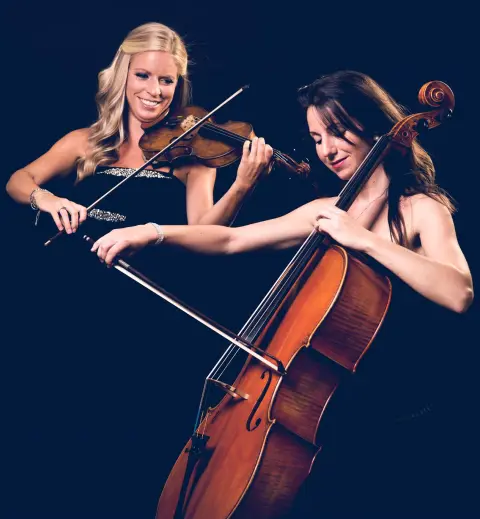
Duos & Small Groups for Hire

Browse 890 duos and small groups for hire across the UK, from singing duos and acoustic pairs to jazz trios and stripped-back party bands. Whether you need background music for a drinks reception or a high-energy two-piece to fill a dance floor, you'll find the right act here. Every act on this page has a full profile with audio samples, video clips and reviews from real clients, with an average rating of 5 out of 5 across 7933 reviews. Use the filters below to narrow by location, price or style.

The average price for a duo or small group is currently £684, though rates vary depending on the size of the act, travel distance and whether you need a PA or lighting. Many acts offer flexible line-ups, so you can scale up or down to suit your venue and budget.

Rated Excellent (5/5) from 7933 reviews of Duos / Small Groups
Female vocal based trio, compromising guitars, keyboard and harmonica

1 review

Sheffield, South Yorkshire

Book from £385 - get a quote

Add to favourites
Nashville Rocks Band breathe new life into the popular country genre!

10 reviews

Nantwich, Cheshire

Book from £823 - get a quote

Add to favourites
2-piece country cover act performing the very best country hits from old to new!

6 reviews

Nantwich, Cheshire

Book from £700 - get a quote

Add to favourites
Established Acoustic Duo performing popular songs from the 50's to now

2 reviews

Wrexham Town, Wrexham

Book from £726 - get a quote

Add to favourites

H&S

Talented and in-demand duo playing classic and contemporary feel-good music!

6 reviews

Wrexham Town, Wrexham

Book from £743 - get a quote

Add to favourites
Professional acoustic duo with a modern & versatile set list and slick aesthetic

4 reviews

Malpas, Cheshire

Book from £350 - get a quote

Add to favourites

Acoustic Duo playing all your favourite songs

2 reviews

Chesterfield, Derbyshire

Book from £1029 - get a quote

Add to favourites
Acoustic Trio performing all your favourite songs

2 reviews

Chesterfield, Derbyshire

Book from £1345 - get a quote

Add to favourites
Available if you want soulful jazz, or upbeat sax & DJ

0 reviews

Crewe, Cheshire

Book from £489 - get a quote

Add to favourites
Acoustic folk / covers duo

22 reviews

Oswestry, Shropshire

Book from £750 - get a quote

Add to favourites
Look no further if you want a great party at a reasonable price!

21 reviews

Alfreton, Derbyshire

Book from £300 - get a quote

Add to favourites
Live pro party band

12 reviews

Alfreton, Derbyshire

Book from £395 - get a quote

Add to favourites
Acoustic Duo performing popular hits from the 70's to current day

11 reviews

Market Drayton, Shropshire

Book from £400 - get a quote

Add to favourites
Acoustic covers duo based in Cleethorpes, England.

41 reviews

Grimsby, Ne Lincolnshire

Book from £700 - get a quote

Add to favourites
A vocalist with an acoustic guitar singing singalong hits from every decade!

5 reviews

Mansfield, Nottinghamshire

Book from £350 - get a quote

Add to favourites
Showing 166-180 of 890 results
Rated Excellent
TrustPilot 5 Stars

Browse categories similar to Duos / Small Groups

How much does it cost to hire Duos / Small Groups?

£ Low Price
from
£100
££ Average Price
from
£684
£££ High Price
from
£4056
The average price for Duos / Small Groups is £684. Above you will also find a budget price and high end price. Contact the act you like for an accurate quote.

Frequently asked questions


Most professional bands provide a playlist through their PA system during intervals, so there is no gap in the music and no awkward silence while they take a break. This is usually included as standard and the band will typically put together a playlist that fits the mood of the evening. Some acts offer an upgraded DJ service where a member of the band or a dedicated DJ manages the music between sets, takes requests and keeps the energy going. This is usually available as a paid add-on. Check the act's profile or ask when enquiring if this is something you would like.

In most cases, no. The majority of professional bands provide music through their PA system during intervals and after their final set, so your guests will have continuous music throughout the evening without needing a separate DJ. This is usually included in the booking. If you want a more interactive DJ experience, with someone to take requests, mix tracks and keep the dancefloor going after the band finishes, many bands offer this as an optional upgrade, or you can book a DJ separately. It is worth deciding early how late you want music to continue, as a band's final set will typically finish by midnight or the venue curfew, and a DJ can be a cost-effective way of extending the night.

Professional bands take their commitments seriously and cancellations are rare, but illness, accidents or unforeseen circumstances can occasionally affect a booking. It is worth checking what provisions are in place when you book. Many acts and agencies have contingency arrangements, such as calling on dep musicians or arranging a suitable replacement act at short notice. When booking, make sure you receive a written contract that sets out the cancellation terms clearly, for both sides. If you are booking through an agency, ask specifically what happens in the event the act cannot perform. Keeping communication open with your band in the weeks before the event also helps flag any potential issues early.

Booking duos / small groups as early as possible increases the chance of securing their availability on your event date, particularly during busy times of the year. However, many acts also accept last minute bookings, and we have successfully arranged performances for clients with just a few hours' notice.

The cost of hiring musicians can vary significantly depending on the type of act. The average price is currently £684. Budget-level acts may be available for as low as £100, while top-tier acts can command prices as high as £4056.

A duo is two musicians performing together, and it is one of the most flexible live music options for a smaller event or a tighter budget. The most common format is a singer with a guitarist, though you will also find singer and pianist duos, two vocalists sharing harmonies, and instrumental pairings such as violin and guitar or saxophone and keys. Some duos perform entirely live, while others use backing tracks to fill out the sound. Duos cover a wide range of styles, from relaxed background music through to sets designed to get people dancing. If you want live music across a longer part of the day without booking a full band, a duo is usually the most practical choice. Many acts listed as duos can also scale up to a trio or a four-piece for the evening, so it is worth asking what line-ups they offer before you book.

The difference is the number of musicians and, in practice, how much sound they produce. A duo is two performers, a trio is three, and a full band is typically four to six or more. A duo usually pairs a vocalist with one instrument, a trio adds bass, percussion or a second instrument to thicken the sound, and a full band brings a complete rhythm section. For a smaller venue, a drinks reception or a room of up to around 80 guests, a duo or trio is often the better fit and takes up far less space. For a large evening party where the priority is a full dance floor, a full band will carry the room more easily. Cost usually scales with the number of musicians, so a trio sits between the two. Many small groups offer all three formats, so you can match the line-up to the part of the day.

A small group generally means two to four musicians. Beyond that, most acts describe themselves as a band. Within that range the common line-ups are a duo of vocals and guitar or vocals and piano, a trio adding bass or cajon, and a four-piece that brings in drums or a second vocalist for a fuller sound. Instrumental small groups are also widely available, including string duos and trios, jazz combos, and wind or brass pairings for ceremonies and receptions. Many acts are flexible: the same musicians may offer a duo for the afternoon and a four-piece for the evening, priced accordingly. When enquiring, tell the act your guest numbers, the size of the room and whether you want dancing, and they will recommend the line-up that suits.

Small groups cover most of the styles a full band would, adapted for fewer musicians. Popular choices include pop and chart covers, soul and Motown, jazz standards, folk, and easy listening for background music. Many duos build a set that moves through the evening, starting relaxed and lifting into more familiar singalong material later on. Instrumental groups tend to specialise: string players for ceremonies and drinks receptions, jazz combos for dinner and cocktail hours, and Latin or Spanish guitar for a warmer atmosphere. Most acts publish a song list, and many will happily adjust it around your taste, whether that means leaning on a particular decade or leaving certain material out. If there is a style you particularly want, mention it when you enquire rather than assuming it is covered.

Duos are one of the most popular wedding choices, largely because they work at almost every point in the day. A duo can play as guests arrive, during the drinks reception, through the wedding breakfast as background music, and into the evening for the first dance and dancing afterwards. Because they need little space and less power than a full band, they fit venues where a larger act would not. Many couples book a duo for the daytime and a band or DJ for the evening, but a duo can cover the whole day on its own if you want a consistent feel and a single point of contact. If you are booking a duo for the evening as the main entertainment, check they have a set designed to fill a dance floor rather than a background repertoire.

A standard duo booking is two sets of around 45 minutes within a two to three hour window, which is the same shape as most band bookings. Duos are often more flexible than larger acts, and three shorter sets spread across a longer part of the day is a common alternative, particularly at weddings where you want music at several points. Because a duo is easier to sustain than a full band, many acts will play across a wider window for a smaller uplift than a band would charge. Between sets, most duos provide a playlist through their PA so there is no silence. If you want music from the drinks reception through to the end of the evening, ask for a full-day quote rather than booking sets individually.

Almost all duos arrive fully self-contained. That normally means a PA system suited to the room, microphones and stands, instruments and amplification, cabling, and often simple lighting. Because a duo needs less power and less space than a full band, setup is usually quicker and the equipment footprint is much smaller, which is why duos suit venues with tight access or limited staging. For larger rooms, outdoor performances or events above roughly 150 guests, a duo may recommend a bigger PA than their standard rig. Tell the act the venue, the room size and your guest numbers when enquiring so they can bring the right setup. If your venue provides its own in-house sound system, mention that too, as some duos can plug into it and reduce what they need to bring.

Many duos use backing tracks, and it is one of the main things that separates one act from another. Tracks fill in the parts a full band would play, such as bass, drums and keys, which lets two musicians produce a much bigger sound than their numbers suggest. This is common in pop and soul sets where the aim is to get people dancing. Other duos perform entirely live with no tracks at all, which gives a more intimate and organic feel and tends to suit ceremonies, drinks receptions and dinner music. Neither approach is better, but they sound noticeably different, so it is worth asking and listening to samples before you book. If you have a strong preference either way, say so at the enquiry stage, as some acts can offer both depending on the part of the day.

Most duos are happy to perform outdoors and are easier to accommodate than a full band, since they need less power and less cover. The two practical requirements are a power supply within reasonable reach and shelter over the performance area. Even light rain is a risk to instruments and electrical equipment, so a gazebo, marquee edge or covered terrace is normally needed rather than optional. Sound behaves differently outside, with no walls to reflect it, so a duo may bring a larger PA than they would use in an equivalent indoor space. Uneven ground, grass and gravel also affect setup, so mention the surface when booking. If there is no mains power available, ask whether the act can work from a battery powered system, which some duos carry and which is often enough for a ceremony or drinks reception.

Most duos will learn a song specially, and a first dance request is very common. Give as much notice as you can, ideally six to eight weeks, so the act has time to arrange the song for two musicians rather than simply playing the original version. Some duos include one learn request in their fee and charge for additional songs, while others quote per song. Not every song adapts well to a duo, particularly tracks built around a full production or a heavy rhythm section. A good act will tell you honestly if a song will not translate, and often suggest an arrangement that works better, such as a stripped back version. Send a link to the exact recording you have in mind rather than just the title, as many songs have several versions and you want the one you are picturing.

A duo needs very little space, which is one of its main practical advantages. An area of roughly two metres by two metres is usually enough for two performers, their instruments and a compact PA. A trio needs slightly more, around three metres by two. That means a duo can work in rooms where a full band simply would not fit, including small function rooms, restaurants and marquee corners. The act also needs access to a power socket within reach of the performance area, and somewhere to unload nearby. A flat, dry surface matters, particularly if there is a keyboard or a double bass involved. If space is genuinely tight, tell the duo the dimensions when you enquire, as many can adapt their setup or bring a smaller PA to fit.

A duo with a properly specified PA will comfortably fill most function rooms and can hold a dance floor, particularly if they use backing tracks to thicken the sound. Volume comes from the PA rather than the number of musicians, so a duo is not automatically quieter than a band. For very large rooms, or guest numbers above roughly 200, a fuller line-up will carry more easily. Duos are usually a good answer where a venue has a sound limiter. There are no drums to control, which is what most often trips a limiter, and the overall level is easier to manage. Tell the act the limiter threshold in decibels when you book so they can plan their setup, and check whether your venue measures at the stage or elsewhere in the room, as this changes what is workable.

Duos work well at corporate events, where the brief is often background music that lets people talk rather than entertainment that dominates the room. Drinks receptions, awards dinners, conference breaks and Christmas parties all suit a duo, and the small footprint means they fit into hotel function rooms and office spaces without special staging. For private parties, a duo suits milestone birthdays, anniversaries and garden parties, particularly where the guest list spans a wide age range and a full band would be too much for the space. Many duos are comfortable adjusting their volume and set list across an evening, playing quietly during food and lifting the energy later. If the event has speeches or presentations, tell the act the running order so they can work around it and provide music through their PA in the gaps.

Frequently asked questions about Duos / Small Groups, how to register and how results are ordered are in the help & FAQs.

Hire Duos & Small Groups in the UK

Duos and small groups are one of the most versatile options for live entertainment. A two-piece or trio takes up less space, costs less than a full band and keeps volume at a level that suits venues with sound limiters or noise restrictions. That does not mean a smaller act means a smaller impact. The right duo or trio can deliver everything from gentle background music during a meal to a packed dance floor later in the evening. With 890 acts listed, you can compare styles, watch videos and read 7933 reviews from real clients.

Types of duos and small groups

This category covers a wide range of formats. Acoustic duos, typically a vocalist and guitarist, are the most popular and work well for ceremonies, drinks receptions and wedding breakfasts. Jazz duos and trios bring a sophisticated feel to corporate events and evening receptions. Singing duos with close harmonies suit vintage-themed weddings and garden parties. Beyond vocalists, you will find instrumental pairings such as piano and saxophone, violin and guitar, or harp and flute, each creating a distinct atmosphere. Some acts perform as a stripped-back duo for daytime sets and expand to a trio or four-piece for the evening, giving you two different feels from a single booking.

When a duo or small group is the right choice

Smaller acts are not just a budget alternative to a full band. They are often the better fit for the event. Intimate venues, restaurants, boats, courtyards and marquees all suit a compact setup. If your venue has a sound limiter, a duo or trio will naturally sit below the threshold that trips larger acts. They are also a popular choice for daytime entertainment at weddings: a singing guitarist or acoustic duo during the ceremony and drinks reception, with a bigger act taking over for the evening. For corporate bookings, a jazz duo or piano-and-vocal pairing provides polished background music without overwhelming conversation.

Choosing between a duo, trio or small band

A duo gives you the most affordable and flexible option. Two musicians can set up quickly, fit into tight spaces and keep volume low. A trio adds depth, whether that is a drummer bringing rhythm to an acoustic set, a saxophonist adding colour to a jazz pairing, or a second vocalist harmonising on choruses. Small bands of four or five players bridge the gap between a stripped-back duo and a full acoustic band, offering a bigger sound while still keeping the footprint manageable. Think about the space you have, the volume your venue allows and whether you want background music, dancing, or both.

Duos and small groups for weddings

Many couples book a duo or small group to cover the ceremony and daytime, then hire a separate evening act. A harpist or string quartet for the ceremony, an acoustic duo for the drinks reception and a covers band for the evening is a classic combination. Alternatively, some duos and trios offer all-day packages that span the ceremony through to the last dance. Check individual listings for details on what each act offers and whether they can tailor their set to different parts of the day.

Pricing for duos and small groups

Duos and small groups currently range from £100 to £4056, with an average price of £684. Solo and duo acts sit at the lower end, while trios and four-piece groups with full PA and lighting command higher fees. Saturday evening bookings during peak wedding season are the most expensive slots. Use the price comparison section on this page to compare rates across acts and find one that fits your budget.

Hire live Duos & Small Groups
View Favourites