Party Bands for Hire

Browse 1142 party bands for hire across the UK. From birthday celebrations and corporate events to weddings, Christmas parties and summer balls, find live bands covering pop, rock, soul, Motown, disco, indie and more. Listen to audio and video clips, read reviews and compare prices to find the right band for your event. Party bands range from three-piece pop and rock acts to large soul and funk ensembles with brass sections and multiple vocalists. The average price across all party bands is currently £1249, though smaller acoustic duos and trios start lower while premium showbands with full production can cost considerably more. Use the filters below to narrow your search by genre, line-up size and event type.

Every listing includes audio or video samples so you can hear the band before you enquire, along with reviews from real clients. There are currently 12312 reviews of party bands on the site, with an average rating of 5 out of 5. Use the location filter to find bands near your venue and get accurate quotes for your date.

Rated Excellent (5/5) from 12312 reviews of Party Bands
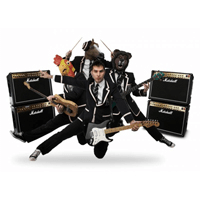
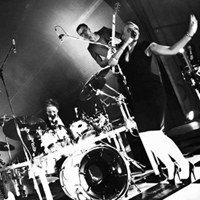
The RUSH - The UKs most exciting band

6 reviews

Manchester, Greater Manchester

Book from £2600* - get a quote

Add to favourites
Mindblowing mixes, mashups and medleys. The best function band you’ll ever see!

8 reviews

Manchester, Greater Manchester

Book from £1593* - get a quote

Add to favourites
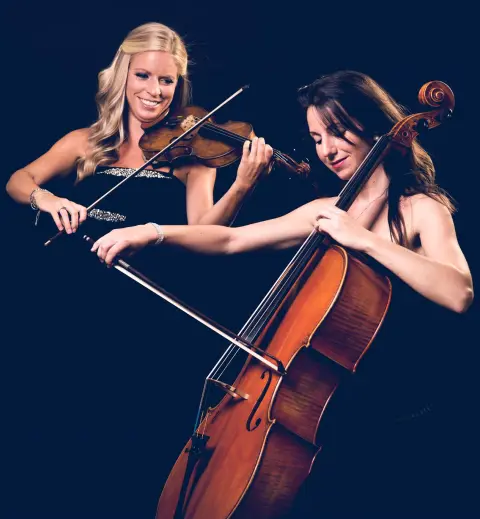
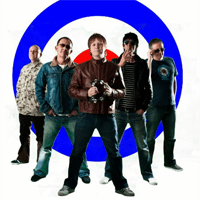
A versatile duo available to hire for all kinds of events!

11 reviews

Manchester, Greater Manchester

Book from £630* - get a quote

Add to favourites
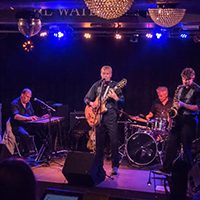
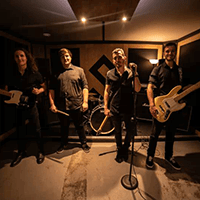
Professional 4-piece band comprising highly experienced and talented musicians

9 reviews

Manchester, Greater Manchester

Book from £1125* - get a quote

Add to favourites
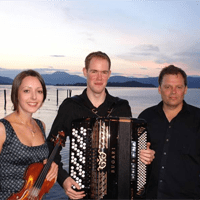
Upbeat acoustic-style trio specialising in medleys and mashups

7 reviews

Manchester, Greater Manchester

Book from £1190* - get a quote

Add to favourites
90s Dance / Clubland Tribute – Band + Dancers

11 reviews

Thornton Cleveleys, Lancashire

Book from £300* - get a quote

Add to favourites
Combining a set of classic pop songs and Irish songs

9 reviews

Manchester, Greater Manchester

Book from £1443* - get a quote

Add to favourites
Irish and Pop Covers - nice and lively

9 reviews

Manchester, Greater Manchester

Book from £300* - get a quote

Add to favourites
Experienced and professional duo

4 reviews

Stockport, Greater Manchester

Book from £600* - get a quote

Add to favourites
Versatile piano, drum & female vocal duo performing modern & classics favourites

2 reviews

Macclesfield, Cheshire

Book from £300* - get a quote

Add to favourites
High quality function band - the songs you know and love & a night to remember!

4 reviews

Stoke On Trent, Staffordshire

Book from £850* - get a quote

Add to favourites
A premier function band playing upbeat and high-energy Soul&Motown, 60s/70s Rock

10 reviews

Stockport, Greater Manchester

Book from £825* - get a quote

Add to favourites
Elite All-Female Jazz Party Band

2 reviews

Stockport, Greater Manchester

Book from £1395* - get a quote

Add to favourites
A slick blend of funk, pop, jazz and rock!

7 reviews

Llanfairfechan, Conwy

Book from £1315* - get a quote

Add to favourites
The highest standard of live party music!

17 reviews

Macclesfield, Cheshire

Book from £1013* - get a quote

Add to favourites
Showing 91-105 of 1142 results
Rated Excellent
TrustPilot 5 Stars

Browse categories similar to Party Bands

How much does it cost to hire Party Bands?

£ Low Price
from
£100
££ Average Price
from
£1249
£££ High Price
from
£11800
The average price for Party Bands is £1249. Above you will also find a budget price and high end price. Contact the act you like for an accurate quote.

Frequently asked questions


Sound limiters are now common at many UK wedding venues, particularly those in residential areas or with noise-sensitive neighbours. They work by cutting the power to amplified equipment if the volume exceeds a set threshold. Most professional bands can work within standard limiter settings without any real impact on the performance. If your venue's limiter is set at 95dB or above, the majority of bands will have no difficulty. Below 95dB it is worth flagging to the band in advance, as they may need to adjust their setup - for example, using an electronic drum kit instead of an acoustic one, or opting for a smaller line-up. Ask your venue for the exact decibel level and pass it on when you make your enquiry, so the band can confirm they can accommodate it.

As a general guide, a 3-piece band needs a performance area of roughly 3m x 3m. Add approximately 1m of width for each additional musician. A 5-piece band would therefore need around 3m x 5m as a minimum. Most bands will also need a small amount of additional space at the sides or rear for equipment cases during the performance. A raised stage is not essential but does help the band make a bigger visual impact, particularly in larger rooms. The performance area needs to be flat, dry and close to a power supply. If you are unsure whether your venue can accommodate a particular band, share the dimensions with them when enquiring and they will be able to advise. Venues with unusual layouts or low ceilings are worth flagging too.

Most professional bands provide a playlist through their PA system during intervals, so there is no gap in the music and no awkward silence while they take a break. This is usually included as standard and the band will typically put together a playlist that fits the mood of the evening. Some acts offer an upgraded DJ service where a member of the band or a dedicated DJ manages the music between sets, takes requests and keeps the energy going. This is usually available as a paid add-on. Check the act's profile or ask when enquiring if this is something you would like.

In most cases, no. The majority of professional bands provide music through their PA system during intervals and after their final set, so your guests will have continuous music throughout the evening without needing a separate DJ. This is usually included in the booking. If you want a more interactive DJ experience - someone to take requests, mix tracks and keep the dancefloor going after the band finishes - many bands offer this as an optional upgrade, or you can book a DJ separately. It is worth deciding early how late you want music to continue, as a band's final set will typically finish by midnight or the venue curfew, and a DJ can be a cost-effective way of extending the night.

Professional bands take their commitments seriously and cancellations are rare, but illness, accidents or unforeseen circumstances can occasionally affect a booking. It is worth checking what provisions are in place when you book. Many acts and agencies have contingency arrangements, such as calling on dep musicians or arranging a suitable replacement act at short notice. When booking, make sure you receive a written contract that sets out the cancellation terms clearly - for both sides. If you are booking through an agency, ask specifically what happens in the event the act cannot perform. Keeping communication open with your band in the weeks before the event also helps flag any potential issues early.

Band size affects both the sound and the budget. A 3-piece can fill a dancefloor just as effectively as a larger act and tends to be better suited to smaller venues or those with sound restrictions. A 4 or 5-piece gives a fuller sound and more stage presence, which works well in larger rooms. Bigger show bands with brass sections, multiple vocalists or additional musicians create a more spectacular impact but cost more and need more space. As a rough guide, match the band size to your guest numbers and venue capacity. For events up to around 100 guests, a 3 or 4-piece is usually ideal. For 150 or more, a 4 or 5-piece tends to work better. For very large events over 300 guests you may also need to consider whether the band's own PA system is sufficient, or whether additional sound equipment will be needed.

A party band is a live band that specialises in performing well-known cover songs across a range of genres and decades, with the primary goal of filling the dance floor and keeping guests entertained. Their repertoire typically spans pop, rock, soul, Motown, disco, funk, and chart hits from the 1960s through to the present day, chosen specifically because they work well in a live party setting. Party bands are designed to appeal to a broad, mixed-age audience. A typical set might move from Stevie Wonder and Earth, Wind and Fire through to Arctic Monkeys and Dua Lipa, with the band reading the room and adjusting their setlist to match the energy of the crowd. Most party bands are fully self-contained, providing their own sound system, lighting, and music between sets.

In practice, these terms overlap significantly and many bands list themselves under more than one category. A covers band is any band that plays cover versions of well-known songs. A function band is a covers band hired to play at a private function such as a wedding, corporate event, or party. A party band is typically a covers band with a high-energy, dance-floor-focused approach and a broad, crowd-pleasing repertoire. The main difference is emphasis. A covers band might lean towards a specific genre or era, while a party band usually plays a wider mix designed to keep a diverse audience dancing. A function band is really just a description of the booking context rather than the style of music. If you are looking for a band to get guests on the dance floor at any type of event, a party band is a good place to start.

Party bands play a broad mix of well-known songs chosen to appeal to a wide audience. A typical setlist covers pop, rock, indie, soul, Motown, disco, funk, and chart hits spanning several decades. You might hear anything from The Beatles and Michael Jackson to Beyonce and Harry Styles in the same set, with the band selecting songs that work well live and get people dancing. Most party bands are skilled at reading the room and adjusting their setlist on the night to match the audience. If the crowd responds well to 90s indie anthems, the band will lean into that. If Motown and soul are filling the floor, they will play more of it. Many bands will also take requests in advance or on the night. If you have specific songs or genres you would like included or excluded, discuss this with the band when booking.

Party bands are a popular choice for any event where you want live music and a packed dance floor. The most common bookings are wedding receptions, milestone birthday parties (30th, 40th, 50th), corporate events such as Christmas parties, summer balls, awards ceremonies, and company celebrations. They also work well at charity galas, anniversary parties, festival-themed events, and New Year's Eve parties. Because party bands play a broad mix of music that appeals to all ages, they suit events with a mixed audience. A 50th birthday party with guests ranging from teenagers to grandparents is exactly the kind of event a good party band is built for.

Many party bands offer the option of a stripped-back acoustic or semi-acoustic set for earlier parts of the day, in addition to their full electric evening performance. This might involve two or three members of the band playing a quieter set during a drinks reception or meal, using acoustic guitars and vocals rather than the full band setup. It creates a more relaxed atmosphere suited to conversation while still providing live music. This can be a cost-effective way to have live music throughout your event without hiring separate acts for different parts of the day. Not all bands offer this option, so check when enquiring. If they do, it may be included in the overall price or available as an add-on for an additional fee.

Most party bands are happy to learn one or two specific songs on request, provided they are given enough notice. This is common for first dances at weddings, but also for birthday parties where a particular song has special meaning. Two to four weeks' notice is usually sufficient, though more complex arrangements may need longer. Some bands include song learning as part of their standard service, while others may charge a small fee depending on the complexity of the piece. It is worth checking the band's existing repertoire first, as the song you want may already be in their setlist. If not, mention it early in the booking process so the band can confirm whether it is something they can accommodate.

Once you have confirmed your booking, there are several practical details worth sharing with the band ahead of the event. Let them know the venue name and full address, the name of a contact person on the day, and the schedule for the evening including when you would like the band to start and finish playing. If there are any key moments such as a first dance, speeches, or a cake cutting that need to happen at specific times, make sure the band is aware of these. It is also helpful to tell the band about any venue-specific requirements such as load-in arrangements (goods entrance, lift access, distance from parking to the performance area), sound limiter settings, curfew times, and whether there is power near the stage area. If you have a dress code, dietary requirements for the band's meal, or a list of songs you would particularly like to hear or would prefer to avoid, share these in advance. The more information the band has, the smoother the event will run.

Most party bands perform two live sets of 45 to 60 minutes each, with a break of around 20 to 30 minutes in between. Some bands offer three shorter sets of around 40 minutes, which can work well for longer events where you want to spread the live music across the evening. The total live performance time is usually around two hours. During breaks, the band will typically play a party playlist through their PA system so there is no gap in the music. Many bands also provide playlist music before their first set and after their final set, keeping the dancefloor going from the start of the evening to the end. If you need the band to play for longer than the standard two hours, this can usually be arranged for an additional fee.

Most party bands can perform outdoors provided the right conditions are in place. The band will need a reliable mains power supply or suitable generator, a flat and stable surface for their equipment, and solid protection from rain. Even a brief shower can cause serious damage to drums, amplifiers, speakers, and electronic instruments, so a marquee, permanent canopy, or other waterproof cover over the performance area is essential. Direct sunlight makes stages uncomfortably hot and can damage equipment, so shade is important for daytime outdoor performances. Wind can affect sound quality and blow over music stands and lighter equipment. If you are planning an outdoor set, discuss this with the band early in the booking process and have a confirmed backup indoor option. Party bands carry a significant amount of equipment, so they will also need to be able to park and unload reasonably close to the performance area.

A professional party band is fully self-contained and will provide all the equipment needed to perform, including a PA system with speakers and a mixing desk, microphones, all instruments, and in most cases stage lighting to create a party atmosphere. The band will also provide music through their PA during breaks and after their final set, so you do not need a separate sound system for background or playlist music. For events with up to around 150 guests, the band's own PA will usually be sufficient. For larger events, or for venues with unusually large or oddly shaped rooms, additional sound equipment may be needed. Discuss this with the band when booking and share the venue dimensions. If your venue has a sound limiter, let the band know the decibel level so they can confirm their setup will work within it.

Booking party bands as early as possible increases the chance of securing their availability on your event date, particularly during busy times of the year. However, many acts also accept last minute bookings, and we have successfully arranged performances for clients with just a few hours' notice.

The cost of hiring musicians can vary significantly depending on the type of act. The average price is currently £1249. Budget-level acts may be available for as low as £100, while top-tier acts can command prices as high as £11800.

Frequently asked questions about Party Bands, how to register and how results are ordered are in the help & FAQs.

Hire a Party Band in the UK

A live party band transforms any event. Whether you are organising a milestone birthday, an anniversary, a corporate dinner or a festive celebration, a good band reads the room, builds the energy and keeps guests dancing. With 1142 party bands listed across the UK, you can compare acts by genre, line-up size, location and budget to find the right fit for your event.

Types of party band

Party bands come in many forms. A standard four or five-piece rock and pop covers band is the most common setup: typically a vocalist, guitarist, bassist, drummer and keys player covering well-known songs from the 1960s through to current chart hits. Beyond that, you will find soul bands with full brass sections and backing vocalists, indie-rock bands focusing on guitar-driven anthems, disco and funk bands built around groove and horns, and smaller acoustic duos and trios suited to more intimate spaces. Some bands offer a themed setlist, concentrating on a specific decade or genre. 70s and 80s bands are a popular choice for 40th and 50th birthday parties, while 90s and modern bands work well for younger audiences and student events.

Choosing a band for a birthday party

Birthday parties account for a large share of party band bookings. The key question is usually the age range of guests. A 21st birthday with mostly friends in their twenties calls for current chart and indie hits, while a 50th or 60th with a wider mix of ages needs a band whose setlist spans several decades. Most party bands cover a broad range, but it is worth checking their song list and watching their video clips to make sure the style matches the crowd you are expecting. For smaller birthday gatherings at a pub, restaurant or home, an acoustic duo or trio can be a better fit than a full band, both for space and budget reasons. For more tips on booking live music for a birthday, see our birthday party bands guide.

Party bands for corporate events

Corporate event organisers book party bands for company Christmas parties, summer celebrations, awards dinners, product launches and team-building events. The main considerations are slightly different from private parties: the band may need to work around speeches or presentations, perform at a managed volume during dinner and then ramp up for a dance set afterwards. Many party bands are experienced in this format and can provide background music between sets through their PA system. If your event is at a hotel or conference venue, check whether the band's equipment is suitable for the room size, and confirm load-in arrangements and any venue restrictions in advance.

What does a party band typically include?

Most professional party bands are self-contained. Their booking fee usually covers two live sets of around 45 to 60 minutes each, a PA system for the room, stage lighting and background music played through their speakers between sets and after the performance. Some bands offer extras such as a full DJ set, karaoke or bandeoke (where guests sing with the live band), or additional musicians like a saxophonist or brass section to expand the sound. These add-ons typically come at an extra cost, so it is worth asking what is included in the base price when you request a quote.

How much does it cost to hire a party band?

The average price for a party band is currently £1249. Pricing depends on the number of musicians, travel distance, the date of your event and the band's experience level. A smaller act such as an acoustic duo or trio will cost less than a six or seven-piece band with full production. Weekend dates in peak season (May to September, plus the Christmas party period in November and December) tend to command higher fees. Midweek dates and off-peak months can be significantly cheaper. You can compare prices across all 1142 acts using the price comparison section on this page, and each band's listing shows their starting rate alongside reviews and media samples.

Song requests and setlists

Most party bands are happy to take a small number of song requests, provided these are sent well in advance. Learning a new song properly takes rehearsal time, and some bands may charge for this. If you have a specific first-dance song or a must-play track, mention it at the enquiry stage so the band can confirm whether it is already in their repertoire or can be added. For themed events, consider booking a genre-specialist band. A Motown band or rock 'n' roll band will deliver a more authentic set for a themed party than a generalist act learning songs outside their usual style.

Practical considerations

Before booking, confirm a few details with your venue. Check whether there is a noise limiter in place, as this affects how the band performs and what equipment they bring. Ask about stage or performance space dimensions, power supply access, load-in routes (especially for upper-floor venues or spaces with limited access) and any curfew times. Professional bands carry public liability insurance and PAT-tested equipment as standard, but your venue may request copies of these certificates in advance. Many party bands also make great wedding bands, so if you are planning a wedding reception rather than a private party, it is worth browsing both categories to widen your options. If your event runs late, some bands offer overtime at an hourly rate, which is worth agreeing upfront rather than on the night.

Hire live Party Bands
View Favourites