1 review
Manchester, Greater Manchester
Book from £350* - get a quote
Add to favourites1 review
Manchester, Greater Manchester
Book from £465* - get a quote
Add to favourites30 reviews
St. Ives, Cambridgeshire
Book from £1000* - get a quote
Add to favourites5 reviews
Nottingham, Nottinghamshire
Book from £1000* - get a quote
Add to favourites9 reviews
Manchester, Greater Manchester
Book from £1443* - get a quote
Add to favourites8 reviews
Manchester, Greater Manchester
Book from £300* - get a quote
Add to favourites0 reviews
Chesterfield, Derbyshire
Book from £1210* - get a quote
Add to favourites10 reviews
Dronfield, Derbyshire
Book from £504* - get a quote
Add to favourites2 reviews
Sheffield, South Yorkshire
Book from £1148* - get a quote
Add to favourites4 reviews
Poulton Le Fylde, Lancashire
Book from £375* - get a quote
Add to favourites0 reviews
Herne Bay, Kent
Book from POA* - get a quote
Add to favourites0 reviews
Herne Bay, Kent
Book from POA* - get a quote
Add to favourites6 reviews
Pontefract, West Yorkshire
Book from £895* - get a quote
Add to favourites3 reviews
Pontefract, West Yorkshire
Book from £950* - get a quote
Add to favourites16 reviews
Ramsgate, Kent
Book from £545* - get a quote
Add to favourites
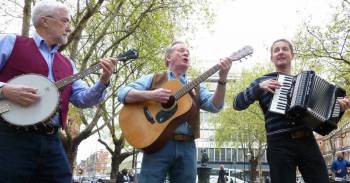
Ceilidh bands and Celtic groups perform traditional folk music rooted in the dance traditions of Scotland, Ireland, Wales and England. A ceilidh band typically features a caller who leads guests through the dances, alongside a band of musicians playing fiddles, accordions, guitars, whistles, mandolins and percussion. A Celtic group usually performs the same style of music without a caller, creating a foot-stomping party atmosphere where the dancing is less structured but no less energetic. Both formats suit a wide range of events, from weddings and milestone birthdays to Burns Night suppers, Hogmanay celebrations, St Andrew's Day parties and corporate functions. If you are looking for a similar format with more of an English country dance feel, our barn dance bands page covers that style. For a dedicated Irish act for a pub night, festival or themed event, our Irish bands page is also worth exploring.
The caller is the heart of a ceilidh performance. Their job is to explain and call out each dance to the audience, guiding everyone through the steps in real time. Circle dances, long-way sets, squares and waltzes are all common formats, and each dance involves changing partners so guests mix and meet new people throughout the evening. No experience is needed. A good caller pitches the instructions at the right level, keeps the energy high and makes sure even first-timers feel confident stepping onto the floor. This interactive element is what makes ceilidh bands one of the best icebreakers for events where guests may not all know each other, and it is a big reason why they remain so popular at weddings.
Weddings are the most common booking for ceilidh bands, and the format works well as either the main evening entertainment or as the opening act before a covers band or DJ takes over. A typical ceilidh set runs for around 60 to 90 minutes, which is enough for eight to ten dances with breaks for guests to catch their breath. Many ceilidh bands also offer a second set of pop and rock covers or a DJ/playlist service for the rest of the evening, so you can get both the ceilidh and the late-night party from a single booking. For couples who enjoy the folk sound but want something less dance-focused for the earlier parts of the day, our folk groups and wedding bands pages list acts that complement a ceilidh in the evening.
Ceilidh bands see a sharp spike in demand around Burns Night (25 January), Hogmanay (New Year's Eve) and St Andrew's Day (30 November), so booking early for these dates is important. Burns Night suppers traditionally include a ceilidh after the formal toasts and Address to a Haggis, and many bands offer packages that cover both the ceilidh set and background music during the meal. Hogmanay ceilidhs are a tradition in their own right, and corporate clients often book ceilidh bands for Christmas and New Year parties as an alternative to a standard covers band or DJ. If your event falls on or near one of these dates, check availability as far in advance as you can.
Ceilidh bands range from trios to five or six-piece groups depending on the instruments involved. A typical lineup might include fiddle, accordion and guitar, with some bands adding whistles, mandolins, bodhrans, keyboards or a full drum kit. Larger lineups produce a bigger sound and are better suited to venues with high ceilings or large guest numbers, while smaller bands work well for more intimate settings. Most bands bring their own PA system and can provide background music or a playlist between sets. When comparing acts, listen to the audio and video clips on their profiles to get a sense of both the musical style and the caller's approach, as the caller's personality and clarity make a big difference to how the evening feels.
Ceilidh band prices on Last Minute Musicians currently range from £200 to £2050, with an average of £656. Pricing depends on the number of musicians, the length of the booking, the day of the week and travel distance. Bands with more members and a dedicated caller will sit at the higher end, while smaller lineups or solo callers with backing tracks offer a more budget-friendly option. Peak dates around Burns Night, Hogmanay and the summer wedding season command premium rates, so early booking is the best way to secure your preferred band at a competitive price. Use the price comparison section on this page to compare rates across the listings.
Last Minute Musicians has members, our newest member is (updated ) and we've had >75,000 visitors in the last 30 days.
© 2003 - 2026 Lastminutemusicians.com Ltd, Company #06544335 registered in England & Wales.
Terms of Service | Privacy Policy |

 Artist