Celtic Groups & Ceilidh Bands for hire in London

Browse 95 ceilidh bands and Celtic groups for hire in London, offering Scottish ceilidh, Irish ceili and barn dance music with professional callers for weddings, Burns Night celebrations, parties and corporate events. London has a large and varied selection of ceilidh bands, from traditional Scottish and Irish lineups to groups that blend folk with pop covers. The capital's strong Scottish and Irish communities mean there is no shortage of experienced players, and many bands based outside London are happy to travel in for events across the city.

Prices for ceilidh bands in London typically start from around £200, with an average of £693. Use the filters below to narrow by event type, and check 1515 reviews rated 5 out of 5 from real clients to help guide your choice.

Rated Excellent (5/5) from 1515 reviews of Celtic Groups & Ceilidh Bands
Celtic and World Music Trio

7 reviews

North London

Available in London

Book from £925* - get a quote

Add to favourites
High Energy Rock, Pop , Irish & Indie Party Band

36 reviews

South East London

Available in London

A heady brew of Irish and American folk music!

10 reviews

Central London

Available in London

Book from £1080* - get a quote

Add to favourites
Celtic violin and guitar duo

3 reviews

South West London

Available in London

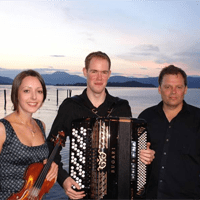
Unique violin, accordion and vocal duo

10 reviews

South East London

Available in London

Book from £900* - get a quote

Add to favourites
Brilliant London Irish band or ceilidh band with caller

12 reviews

East London

Available in London

Book from £845* - get a quote

Add to favourites
Award-winning singer/songwriter and musician from the West Coast of Ireland!

17 reviews

North London

Available in London

Book from £995* - get a quote

Add to favourites
Distinctive baritone, American charisma, and vast storytelling talents

5 reviews

North West London

Available in London

Book from £250* - get a quote

Add to favourites
Adored fun and award winning London based ceilidh band

28 reviews

North West London

Available in London

Book from £600* - get a quote

Add to favourites
One of London's most exciting, innovative new Ceilidh Bands

2 reviews

West London

Available in London

Book from £705* - get a quote

Add to favourites
Irish, Country, Celtic, folk and pop band for weddings and private events!

7 reviews

South West London

Available in London

Book from £1140* - get a quote

Add to favourites
Professional solo singer&guitarist with wide repertoire!

53 reviews

West London

Available in London

Book from £340* - get a quote

Add to favourites
Solo Oboe or Duo with Piano or Keyboard (for a wedding or event)

1 review

South West London

Available in London

Book from £290* - get a quote

Add to favourites
Talented Harpist & Vocalist

6 reviews

West London

Available in London

Book from £434* - get a quote

Add to favourites
Fiddlestix Ceilidh and Barn Dance Band

38 reviews

Sutton, Surrey

Available in London

Book from £500* - get a quote

Add to favourites
Showing 1-15 of 95 results
Rated Excellent
TrustPilot 5 Stars

Browse categories similar to Celtic Groups & Ceilidh Bands

How much does it cost to hire Celtic Groups & Ceilidh Bands available in London?

£ Low Price
from
£200
££ Average Price
from
£693
£££ High Price
from
£2050
The average price for Celtic Groups & Ceilidh Bands available in London is £693. Above you will also find a budget price and high end price. Contact the act you like for an accurate quote.

Frequently asked questions


Booking celtic groups & ceilidh bands in London as early as possible increases the chance of securing their availability on your event date, particularly during busy times of the year. However, many acts also accept last minute bookings, and we have successfully arranged performances for clients with just a few hours' notice.

The cost of hiring musicians in London can vary significantly depending on the type of act. The average price is currently £693. Budget-level acts may be available for as low as £200, while top-tier acts can command prices as high as £2050.

London has a good selection of ceilidh bands, and the city's diverse population means there is strong demand for ceilidh dancing at weddings across all parts of the capital. If your venue is within the Congestion Charge zone, check whether the band includes the daily charge (currently £18) in their quote or adds it separately. The same applies to the Ultra Low Emission Zone (ULEZ), which covers most of Greater London and carries a daily charge of £12.50 for non-compliant vehicles. Parking and load-in access can be challenging at central London venues. Ceilidh bands transport multiple instruments, amplifiers and a PA system, so they need to park close to the venue entrance for loading. Confirm arrangements with your venue in advance. Many London venues have strict noise curfews, often requiring amplified music to stop by 11pm. If your venue has a sound limiter, share the details with the band. Ceilidh dancing also generates substantial floor noise from footwork, which is worth discussing with your venue coordinator, particularly in buildings with rooms below the dance floor.

Sound limiters are now common at many UK wedding venues, particularly those in residential areas or with noise-sensitive neighbours. They work by cutting the power to amplified equipment if the volume exceeds a set threshold. Most professional bands can work within standard limiter settings without any real impact on the performance. If your venue's limiter is set at 95dB or above, the majority of bands will have no difficulty. Below 95dB it is worth flagging to the band in advance, as they may need to adjust their setup - for example, using an electronic drum kit instead of an acoustic one, or opting for a smaller line-up. Ask your venue for the exact decibel level and pass it on when you make your enquiry, so the band can confirm they can accommodate it.

Most professional bands provide a playlist through their PA system during intervals, so there is no gap in the music and no awkward silence while they take a break. This is usually included as standard and the band will typically put together a playlist that fits the mood of the evening. Some acts offer an upgraded DJ service where a member of the band or a dedicated DJ manages the music between sets, takes requests and keeps the energy going. This is usually available as a paid add-on. Check the act's profile or ask when enquiring if this is something you would like.

In most cases, no. The majority of professional bands provide music through their PA system during intervals and after their final set, so your guests will have continuous music throughout the evening without needing a separate DJ. This is usually included in the booking. If you want a more interactive DJ experience - someone to take requests, mix tracks and keep the dancefloor going after the band finishes - many bands offer this as an optional upgrade, or you can book a DJ separately. It is worth deciding early how late you want music to continue, as a band's final set will typically finish by midnight or the venue curfew, and a DJ can be a cost-effective way of extending the night.

Professional bands take their commitments seriously and cancellations are rare, but illness, accidents or unforeseen circumstances can occasionally affect a booking. It is worth checking what provisions are in place when you book. Many acts and agencies have contingency arrangements, such as calling on dep musicians or arranging a suitable replacement act at short notice. When booking, make sure you receive a written contract that sets out the cancellation terms clearly - for both sides. If you are booking through an agency, ask specifically what happens in the event the act cannot perform. Keeping communication open with your band in the weeks before the event also helps flag any potential issues early.

Band size affects both the sound and the budget. A 3-piece can fill a dancefloor just as effectively as a larger act and tends to be better suited to smaller venues or those with sound restrictions. A 4 or 5-piece gives a fuller sound and more stage presence, which works well in larger rooms. Bigger show bands with brass sections, multiple vocalists or additional musicians create a more spectacular impact but cost more and need more space. As a rough guide, match the band size to your guest numbers and venue capacity. For events up to around 100 guests, a 3 or 4-piece is usually ideal. For 150 or more, a 4 or 5-piece tends to work better. For very large events over 300 guests you may also need to consider whether the band's own PA system is sufficient, or whether additional sound equipment will be needed.

Most ceilidh bands perform for two sets of around 45 minutes each, with a break of 20 to 30 minutes in between. The total time on site is usually around three hours, including setup and pack-down. During the break, the band will typically play background music or a playlist through their PA system to keep the atmosphere going. Some bands offer a longer evening with a third set or an extended second set, which may incur an additional fee. A popular option at weddings is for the first set to be ceilidh dancing and the second set to switch to pop, rock and party covers, giving guests who prefer conventional dancing a chance later in the evening. Not all ceilidh bands offer this mixed format, so check when enquiring if this appeals to you.

A ceilidh (pronounced 'kay-lee') is a social dance event with traditional folk music, where guests dance together in groups, pairs or lines following a set pattern for each dance. The dances are energetic and sociable, involving moves like swinging partners, forming circles, and dancing in lines or sets of couples. No experience is needed. A ceilidh band includes a caller who explains and demonstrates each dance before the music starts, then calls out the moves during the dance so everyone can follow along. The caller's job is to make the dances accessible to complete beginners while keeping things fun for experienced dancers. A good caller will choose a mix of simpler and more challenging dances to suit a mixed crowd. Ceilidh dancing is one of the most inclusive forms of live entertainment because everyone participates together regardless of ability. It is especially popular at weddings as an icebreaker that gets guests from different sides of the family mixing and laughing together.

Ceilidh bands can perform outdoors, but there are some important practical considerations. The band needs a level, sheltered area with access to a power supply for their amplifiers and PA system. A covered stage or marquee is strongly recommended to protect instruments and equipment from rain or direct sun. The bigger consideration is the dance floor. Ceilidh dancing involves energetic footwork, spinning and group formations, so the surface needs to be flat, firm and not slippery. Grass is generally unsuitable because it becomes uneven and slippery, especially in the evening. If you are planning an outdoor ceilidh, a portable dance floor or a marquee with a solid floor is essential. Wind can also be an issue, as it affects sheet music and sound quality. Discuss your outdoor plans with the band at the enquiry stage so they can advise on what is feasible at your venue.

Most professional ceilidh bands are fully self-contained and bring their own PA system, microphones, amplifiers and all instruments. The PA system is used both for the music and for the caller's microphone, which is essential so that dance instructions can be heard clearly over the music and the noise of dancing feet. The band will usually also provide background music through their PA during breaks, either a playlist or a DJ service. Some bands offer lighting as standard, while others can provide it as an optional add-on. You will need to provide a power supply near the performance area, typically two or three standard 13-amp plug sockets. If your venue is particularly large or you have more than 200 guests, discuss sound requirements with the band to check whether their standard PA will be sufficient. For very large events, additional sound equipment may be needed to ensure the caller can be heard across the whole dance floor.

Ceilidh bands and barn dance bands both provide called, social dancing to live music, and there is significant overlap between the two. The main difference is in the musical tradition. Ceilidh bands play Scottish and Irish folk music, with dances rooted in Celtic tradition such as the Gay Gordons, Strip the Willow, and the Dashing White Sergeant. Barn dance bands tend to play English and American folk music, with dances like the Virginia Reel and various square dances. In practice, many bands offer both ceilidh and barn dance sets and can adjust the balance to suit your preference. If your guests include a mix of backgrounds, a band that crosses both traditions gives you flexibility. If you specifically want a Scottish or Irish flavour for your event, look for a band that specialises in ceilidh rather than a general barn dance act. The caller's role is the same in both formats: they teach and guide each dance so that everyone can take part regardless of experience.

Many ceilidh bands offer a mixed format where they perform one set of ceilidh dancing and one set of pop, rock and party covers. This is a popular option at weddings because it gives guests who enjoy traditional dancing a ceilidh set, then switches to more mainstream music for the rest of the evening. Not all ceilidh bands play covers, so if this is important to you, check the act's profile or ask when enquiring. Some bands are ceilidh specialists who focus entirely on traditional music and dances, while others are versatile enough to switch between styles. The quality of the covers set varies between bands, so listen to any audio or video clips available to judge whether you are happy with both sides of their performance. If you want a full evening of ceilidh dancing with no covers, that works too. An experienced ceilidh band will have enough dances in their repertoire to fill two full sets without repeating.

Comfort is the priority. Ceilidh dancing is energetic and involves a lot of spinning, swinging and quick footwork, so guests should wear shoes that are secure on their feet and have some grip. Flat shoes or low heels work best. High heels and very smooth soles are not recommended, as they make the dancing harder and increase the risk of slipping. For weddings, guests typically dance in whatever they are wearing for the evening. Some brides choose to change into a shorter dress or different shoes for the ceilidh. There is no strict dress code, but it is worth mentioning on your invitations that there will be ceilidh dancing so guests can plan their footwear. Traditional Highland dress such as kilts is perfectly suited to ceilidh dancing but is by no means expected. The emphasis is on having fun, not on formality.

There is no fixed minimum number of guests for a ceilidh, but the dances are most enjoyable with at least 20 to 30 people on the floor at any one time. With fewer guests, some of the more complex formations can be tricky, though a good caller will adapt the dances to suit the group size. For private events such as weddings or birthday parties, ceilidh bands regularly perform for groups of 40 to 200 guests. Larger events work well too, though for very large gatherings of 300 or more, you may want to discuss sound and space requirements with the band to ensure everyone can hear the caller clearly. If you have a smaller group of 20 to 40 guests, mention this when enquiring so the band can suggest dances that work well for smaller numbers. Many ceilidh bands are experienced at tailoring the evening to suit all group sizes.

Frequently asked questions about Celtic Groups & Ceilidh Bands available in London, how to register and how results are ordered are in the help & FAQs.

Hire a Ceilidh Band in London

London is one of the busiest markets in the UK for ceilidh bands, driven by the capital's large Scottish and Irish communities and a strong corporate events scene. Whether you are planning a wedding reception at a hotel in central London, a Burns Night supper in a Docklands venue or a Hogmanay party at a private members' club, the bands on this page cover a range of styles from traditional Scottish ceilidh to Irish ceili and English barn dance. Many London-based bands include a caller as standard, and several offer pop and rock covers sets alongside the ceilidh for a full evening of entertainment. For a dedicated Irish band in London focused on songs and session music rather than caller-led dancing, or a barn dance band in London with more of an English country dance feel, we have separate pages for both.

Ceilidh at London weddings

A ceilidh is one of the most popular choices for evening wedding entertainment in London, particularly among couples with Scottish or Irish heritage. The interactive format gets every guest on the dance floor, from children to grandparents, and the caller ensures nobody is left out. A typical ceilidh set runs for 60 to 90 minutes, which many couples pair with a DJ set or covers band for the later part of the evening. London's wedding venue mix, from converted warehouse spaces in East London to grand hotels in Mayfair, suits the ceilidh format well as long as there is enough floor space for the dancing. If you are also looking for daytime wedding entertainment, our folk groups in London and London wedding bands pages list acts that complement a ceilidh in the evening.

Corporate events and Burns Night in the capital

Corporate ceilidhs are a staple of the London events calendar, particularly around Burns Night and the Christmas party season. A ceilidh works as a team-building activity as much as entertainment, with the dancing breaking down barriers between colleagues far more effectively than a standard drinks reception. Many London ceilidh bands offer Burns Night packages that include background music during the meal, piping in the haggis and a full ceilidh set after the speeches. For a complete Scottish experience, you might also consider booking a London bagpiper for the arrival or haggis ceremony.

Venue and logistics in London

Ceilidh bands typically need a clear floor area of at least 6m x 6m for the dancing, plus space for the band's setup. Most London venues can accommodate this, but check in advance if your venue has pillars, low ceilings or fixed furniture that might restrict the dance floor. Sound limiters are common in central London venues, so confirm the limit with your venue and discuss it with your band at the enquiry stage. If your event is in the Congestion Charge zone, check whether the band factors this into their quote, along with parking and load-in arrangements. Most ceilidh bands bring their own PA, lighting and background music playlist.

London ceilidh band costs

Ceilidh bands in London currently range from £200 to £2050, with an average of £693. London prices tend to sit above the national average, reflecting both the quality of available bands and the higher logistics costs of performing in the capital. Burns Night and Hogmanay bookings command a premium, and Saturday weddings during the summer are the most competitive dates. Contact individual bands for a quote based on your event details, and use the price comparison section on this page to see how rates vary across the listings.

Hire a ceilidh band in London
View Favourites