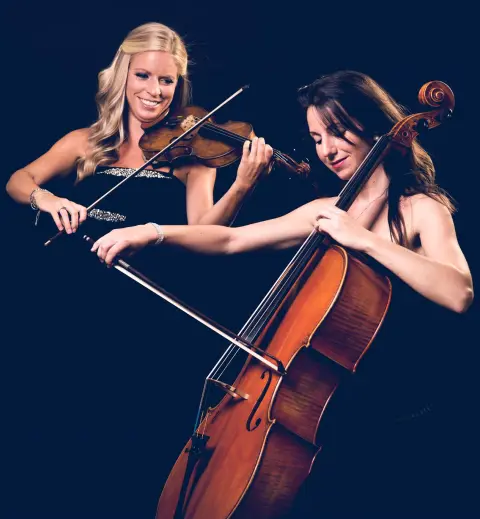
Folk Groups for hire in London

Browse 143 folk bands for hire in London, from traditional English and Celtic folk groups to modern indie-folk and festival-style bands for weddings, parties and events. London's size and diversity mean you can find folk bands covering every style here, from traditional English and Celtic groups to indie-folk acts in the Mumford and Sons mould. Many are full-time musicians with festival and recording credits alongside their events work, and the standard across the board is strong.

Prices for folk bands in London typically start from around £100, with an average of £869. Use the filters below to narrow by event type, and check 1599 reviews rated 5 out of 5 from real clients to help guide your choice.

Rated Excellent (5/5) from 1599 reviews of Folk Groups
Award-winning musician, touring nationally!

47 reviews

Liverpool, Merseyside

Available in London

Book from £495* - get a quote

Add to favourites
Well established folk rock band delivering high energy ceilidhs

9 reviews

York, North Yorkshire

Available in London

Book from £1100* - get a quote

Add to favourites
4-Piece Band Bringing Nashville Nights to Every UK Stage

5 reviews

Liverpool, Merseyside

Available in London

Barndance/ceilidh band with entertaining caller.

6 reviews

Wirral, Merseyside

Available in London

Book from £700* - get a quote

Add to favourites
A ceilidh band trio combining the rhythms of folk with funk

33 reviews

Bridlington, East Yorkshire

Available in London

Book from £685* - get a quote

Add to favourites
5 eejits that play trad, pop & modern Irish Music

1 review

Denbigh, Denbighshire

Available in London

Sonic excitement and visual astonishment abounds!

7 reviews

Penryn, Cornwall

Available in London

Book from £1210* - get a quote

Add to favourites
Energetic and uplifting ceilidh band with caller!

6 reviews

Peebles, Peeblesshire

Available in London

Book from £815* - get a quote

Add to favourites
Get the party rolling or enjoy some chilled out music; you decide!

29 reviews

Belfast, County Antrim

Available in London

Book from £945* - get a quote

Add to favourites
Scottish ceilidh experience including Scottish and Irish folk/pop/rock covers!

0 reviews

Edinburgh, Midlothian

Available in London

Book from £1895* - get a quote

Add to favourites
Think postmodern jukebox Nouvelle Vague!

3 reviews

Edinburgh, Midlothian

Available in London

Book from £1080* - get a quote

Add to favourites
5 piece folk rock ceilidh band

4 reviews

Edinburgh, Midlothian

Available in London

Live music country-pop-rock duo, high energy upbeat

0 reviews

Hamilton, Lanarkshire

Available in London

Book from £496* - get a quote

Add to favourites
Young, energetic ceilidh band guaranteed to get everyone dancing!

1 review

Glasgow, Lanarkshire

Available in London

Book from £1500* - get a quote

Add to favourites
Dynamic and vibrant ceilidh band

18 reviews

Glasgow, Lanarkshire

Available in London

Book from £650* - get a quote

Add to favourites
Showing 121-135 of 143 results
Rated Excellent
TrustPilot 5 Stars

Browse categories similar to Folk Groups

How much does it cost to hire Folk Groups available in London?

£ Low Price
from
£100
££ Average Price
from
£869
£££ High Price
from
£3304
The average price for Folk Groups available in London is £869. Above you will also find a budget price and high end price. Contact the act you like for an accurate quote.

Frequently asked questions


Booking folk groups in London as early as possible increases the chance of securing their availability on your event date, particularly during busy times of the year. However, many acts also accept last minute bookings, and we have successfully arranged performances for clients with just a few hours' notice.

The cost of hiring musicians in London can vary significantly depending on the type of act. The average price is currently £869. Budget-level acts may be available for as low as £100, while top-tier acts can command prices as high as £3304.

Sound limiters are now common at many UK wedding venues, particularly those in residential areas or with noise-sensitive neighbours. They work by cutting the power to amplified equipment if the volume exceeds a set threshold. Most professional bands can work within standard limiter settings without any real impact on the performance. If your venue's limiter is set at 95dB or above, the majority of bands will have no difficulty. Below 95dB it is worth flagging to the band in advance, as they may need to adjust their setup - for example, using an electronic drum kit instead of an acoustic one, or opting for a smaller line-up. Ask your venue for the exact decibel level and pass it on when you make your enquiry, so the band can confirm they can accommodate it.

As a general guide, a 3-piece band needs a performance area of roughly 3m x 3m. Add approximately 1m of width for each additional musician. A 5-piece band would therefore need around 3m x 5m as a minimum. Most bands will also need a small amount of additional space at the sides or rear for equipment cases during the performance. A raised stage is not essential but does help the band make a bigger visual impact, particularly in larger rooms. The performance area needs to be flat, dry and close to a power supply. If you are unsure whether your venue can accommodate a particular band, share the dimensions with them when enquiring and they will be able to advise. Venues with unusual layouts or low ceilings are worth flagging too.

Most professional bands provide a playlist through their PA system during intervals, so there is no gap in the music and no awkward silence while they take a break. This is usually included as standard and the band will typically put together a playlist that fits the mood of the evening. Some acts offer an upgraded DJ service where a member of the band or a dedicated DJ manages the music between sets, takes requests and keeps the energy going. This is usually available as a paid add-on. Check the act's profile or ask when enquiring if this is something you would like.

In most cases, no. The majority of professional bands provide music through their PA system during intervals and after their final set, so your guests will have continuous music throughout the evening without needing a separate DJ. This is usually included in the booking. If you want a more interactive DJ experience - someone to take requests, mix tracks and keep the dancefloor going after the band finishes - many bands offer this as an optional upgrade, or you can book a DJ separately. It is worth deciding early how late you want music to continue, as a band's final set will typically finish by midnight or the venue curfew, and a DJ can be a cost-effective way of extending the night.

Professional bands take their commitments seriously and cancellations are rare, but illness, accidents or unforeseen circumstances can occasionally affect a booking. It is worth checking what provisions are in place when you book. Many acts and agencies have contingency arrangements, such as calling on dep musicians or arranging a suitable replacement act at short notice. When booking, make sure you receive a written contract that sets out the cancellation terms clearly - for both sides. If you are booking through an agency, ask specifically what happens in the event the act cannot perform. Keeping communication open with your band in the weeks before the event also helps flag any potential issues early.

Band size affects both the sound and the budget. A 3-piece can fill a dancefloor just as effectively as a larger act and tends to be better suited to smaller venues or those with sound restrictions. A 4 or 5-piece gives a fuller sound and more stage presence, which works well in larger rooms. Bigger show bands with brass sections, multiple vocalists or additional musicians create a more spectacular impact but cost more and need more space. As a rough guide, match the band size to your guest numbers and venue capacity. For events up to around 100 guests, a 3 or 4-piece is usually ideal. For 150 or more, a 4 or 5-piece tends to work better. For very large events over 300 guests you may also need to consider whether the band's own PA system is sufficient, or whether additional sound equipment will be needed.

A folk band is a group of musicians who perform folk music, which can range from traditional English, Irish, Scottish and Welsh songs and instrumentals through to modern indie-folk and Americana-influenced material. On LMM, the Folk Groups category covers a broad spectrum. At one end are traditional folk ensembles playing authentic material on fiddles, accordions, whistles, guitars and bodhrans. At the other are contemporary folk acts inspired by artists like Mumford and Sons, The Lumineers and Fleet Foxes, performing upbeat acoustic arrangements of well-known pop and rock songs with banjos, double bass and stomping percussion. Many folk bands blend both styles, and the category also includes bluegrass groups, shanty singers and world folk acts.

Folk bands on LMM cover a wide range of styles. Traditional folk groups perform English, Irish, Scottish and Celtic songs and instrumentals, often featuring fiddle, accordion, tin whistle and acoustic guitar. Indie-folk and festival-style acts play modern pop and rock hits reworked with acoustic instruments, banjos and cajons in the style of Mumford and Sons or The Lumineers. Americana and bluegrass bands bring a transatlantic flavour with mandolins, banjos and close harmonies. Some folk acts specialise in sea shanties, wartime songs or world folk traditions. Check each act's profile, song list and video clips to find the style that best suits your event.

Most folk bands perform two sets of 45 to 60 minutes, with a break in between, spread across a two to three hour window. Many folk acts provide background music through their PA during breaks and after their final set so there is no gap in the entertainment. Some groups offer extended packages including a softer acoustic set during a drinks reception or wedding breakfast followed by a higher-energy evening performance. If you need music at a specific time, such as a first dance or a particular ceremony moment, let the folk band know when booking so they can plan their sets around your schedule.

Folk bands are often an excellent choice for outdoor events. Many folk groups use primarily acoustic instruments such as fiddles, guitars, accordions and whistles, which makes them naturally suited to outdoor settings like gardens, courtyards, festival fields and tipi weddings. Smaller acoustic folk ensembles may not need any amplification at all for intimate outdoor gatherings. Larger folk acts or those using amplified instruments will need access to power and ideally a covered area to protect equipment from rain or direct sunlight. Always confirm outdoor suitability with the folk band before booking, and have a contingency plan in case of bad weather.

Most professional folk bands bring their own PA system, microphones and any amplification needed for the performance. The equipment requirements for folk acts vary depending on the style and size of the group. A small traditional folk ensemble playing primarily acoustic instruments may need very little amplification, while a larger indie-folk band with electric bass, drums and multiple vocalists will bring a fuller sound system. If your venue is particularly large, has unusual acoustics, or imposes restrictions on amplified music, share these details with the folk group when booking so they can advise on the best setup.

Folk bands are one of the most popular choices for weddings, particularly for couples planning barn weddings, tipi receptions, festival-themed celebrations, country house events and outdoor marquee receptions. The acoustic, organic sound of a folk group complements rustic and bohemian wedding settings naturally. Many folk acts offer flexibility across the day, providing gentle background music during a drinks reception or wedding breakfast and then switching to a higher-energy set for the evening party. Some folk bands also offer a roaming option during the afternoon, moving through the crowd rather than performing from a fixed stage. The repertoire typically includes a mix of folk classics and well-known pop and rock songs rearranged in a folk style, so there is something for guests of all ages.

Many folk bands on LMM offer a crossover repertoire, performing well-known pop, rock and indie hits rearranged with acoustic folk instrumentation. This is particularly common among indie-folk and festival-style acts, who might perform songs by artists like Taylor Swift, Avicii or The Killers using banjos, fiddles, acoustic guitars and cajons. The result is a fresh, distinctive take on familiar songs that keeps the dancefloor moving while maintaining the folk atmosphere. Traditional folk groups tend to focus on authentic folk material, though some will learn a modern song for a first dance or special moment if given enough notice. Check each folk act's song list on their profile to see where the balance falls between traditional and contemporary material.

The instrumentation varies depending on the style of folk music. Traditional folk ensembles commonly feature fiddle, acoustic guitar, accordion, tin whistle, concertina, melodeon, mandolin and bodhran (a handheld Irish drum). Indie-folk and festival-style acts often add banjo, double bass or bass guitar, cajon and sometimes brass instruments like trumpet or saxophone. Bluegrass groups typically include banjo, mandolin, fiddle, guitar and upright bass. Some folk bands also feature harp, ukulele, harmonica or bouzouki. The mix of instruments gives each folk act a distinctive sound, so it is worth watching the video clips on each band's profile to hear how they sound before booking.

Many folk bands offer a roaming option, where the musicians move through the crowd rather than performing from a fixed stage. This works particularly well during drinks receptions, garden parties, festival-themed weddings and corporate events where guests are mingling rather than seated. Roaming performances are best suited to smaller acoustic folk ensembles, typically duos, trios or quartets using portable instruments like fiddle, guitar, accordion and vocals. Larger folk groups with drum kits, double bass or amplified equipment are better suited to a fixed performance area. If you would like roaming music as part of your event, check whether the folk act offers this option and discuss the logistics with them when booking.

A folk band focuses primarily on performing music for listening and dancing in a standard party format, playing a mix of folk songs, instrumentals and often folk-influenced pop covers. A ceilidh band (also spelled ceili for Irish events) provides music specifically for organised, caller-led group dancing, where a caller talks guests through each dance before the band plays. Both types of act draw on similar musical traditions, particularly Celtic and British folk music, and some groups offer both formats. If you want structured group dances with a caller guiding your guests through the steps, look at our Celtic Groups and Ceilidh Bands category. If you want a folk-flavoured party band where guests dance freely, this Folk Groups category is the right place to look.

Most folk bands are happy to take song requests, particularly for key moments like a first dance or processional music. Many folk acts publish a song list on their profile, which is a good starting point. If you have a specific song in mind that is not on their list, raise this early in the booking process so the group has time to learn and arrange it. Bear in mind that rearranging a pop or rock song for folk instrumentation takes preparation, so requests made well in advance are more likely to be accommodated. Some folk bands may charge a small fee for learning new material outside their existing repertoire.

If your venue is within the London Congestion Charge zone, check with the folk band how they handle this before confirming the booking. Some folk acts include it in their quote while others add it to travel expenses. The charge is currently 18 pounds if paid on the day, or 21 pounds if paid late. London's Ultra Low Emission Zone (ULEZ) covers the entire Greater London area and carries a daily charge of 12.50 pounds for non-compliant vehicles, which may also be passed on. Many central London venues have strict noise curfews and sound limiters, though folk bands using primarily acoustic instruments are often well suited to venues with tight noise restrictions. Parking and load-in access can be limited at London venues, so ask about any additional costs for congestion zone parking or nearby loading bays.

Frequently asked questions about Folk Groups available in London, how to register and how results are ordered are in the help & FAQs.

Hire a Folk Band in London

London offers one of the widest selections of folk bands in the UK, covering everything from traditional English and Celtic ensembles to indie-folk groups performing festival-style acoustic arrangements of pop and rock hits. Many London-based folk musicians are active on the national festival circuit and bring a level of stagecraft and musicianship that translates well to weddings and private events. The capital also draws bands from across the South East and beyond, so the pool of available acts for London events is larger than most other regions. For Celtic music with caller-led dancing, our ceilidh bands in London page covers that format. For dedicated Irish acts, see our Irish bands in London page.

Folk bands at London weddings

Folk bands are increasingly popular for London weddings, particularly at venues that suit the rustic, festival aesthetic: converted warehouses in East London, garden venues in Richmond and Kew, and barn-style spaces on the outskirts of the city. An indie-folk band performing acoustic pop with banjos, fiddles and double bass creates an atmosphere that feels distinct from a standard function band, and many offer roaming sets during drinks receptions where the musicians move through the crowd rather than performing from a stage. For couples planning a full day of entertainment, our acoustic bands in London and London wedding bands pages list other acts that complement a folk band.

Corporate and private events

Beyond weddings, London folk bands are booked for corporate summer parties, product launches, charity fundraisers, gallery openings and milestone birthday celebrations. The acoustic format suits outdoor terraces, rooftop venues and garden settings where a full electric band would be impractical or too loud. Many folk bands can perform entirely without mains power, which makes them particularly flexible for unusual or outdoor London venues. For events with a country or Americana theme, our country bands in London page covers that style.

The London folk scene

London has a thriving folk music scene, with regular folk nights, open mic sessions and acoustic events running across pubs and venues in Camden, Soho, Brixton and beyond. Many of the bands on this page are active on this circuit, which means they are experienced at performing in a range of room sizes and settings. That gigging background shows in their ability to read a room and adjust their energy to suit the event, whether it is a relaxed afternoon drinks reception or a packed evening dance floor.

London folk band costs

Folk bands in London currently range from £100 to £3304, with an average of £869. London rates tend to sit above the national average, reflecting both the quality of the musician pool and the logistics of performing in the capital. Summer Saturday weddings are the most competitive dates. Acoustic duos are the most affordable option, while four or five-piece bands with full PA sit at the higher end. Use the price comparison section on this page to compare rates, and contact individual acts for an accurate quote.

Hire a folk band in London
View Favourites